Flies
A chain gang escape leads to a haunted theater and a buried nuclear secret.
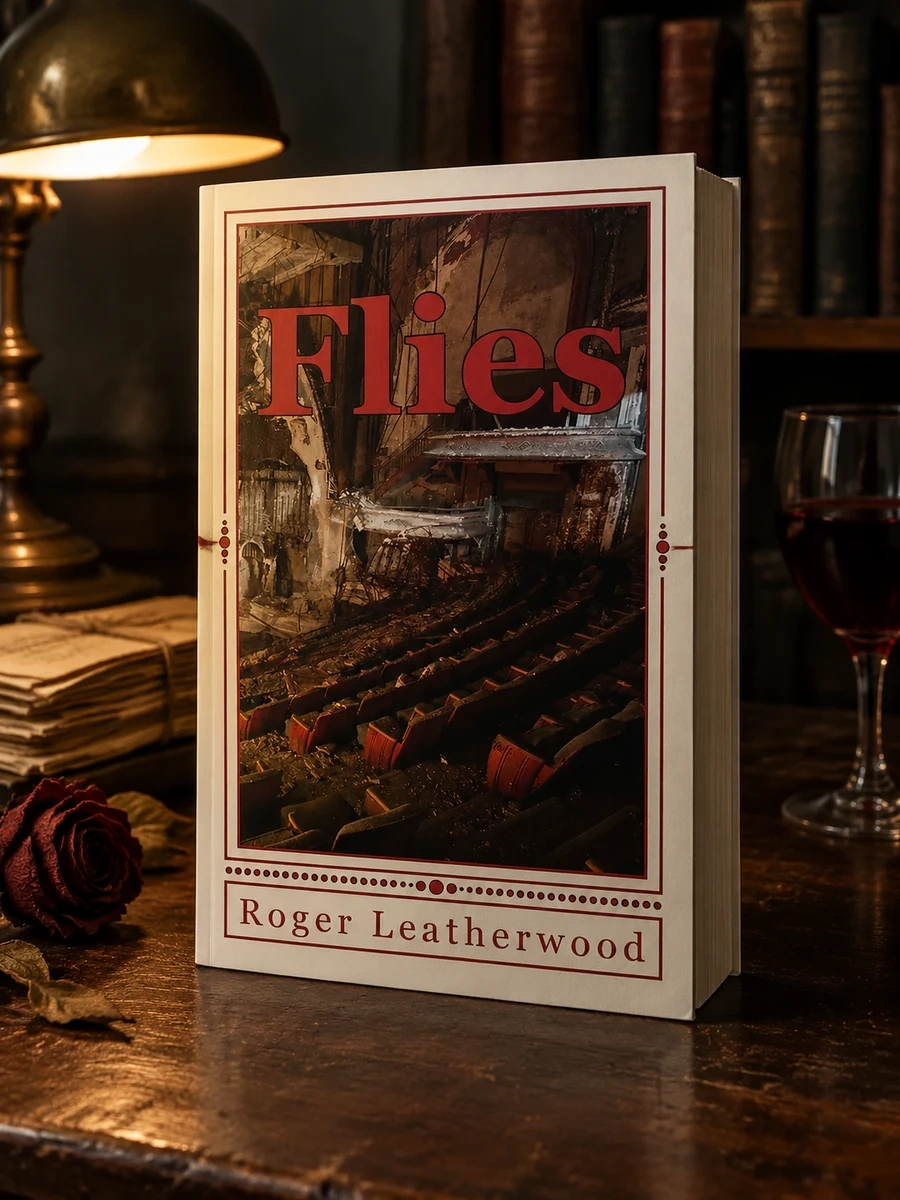
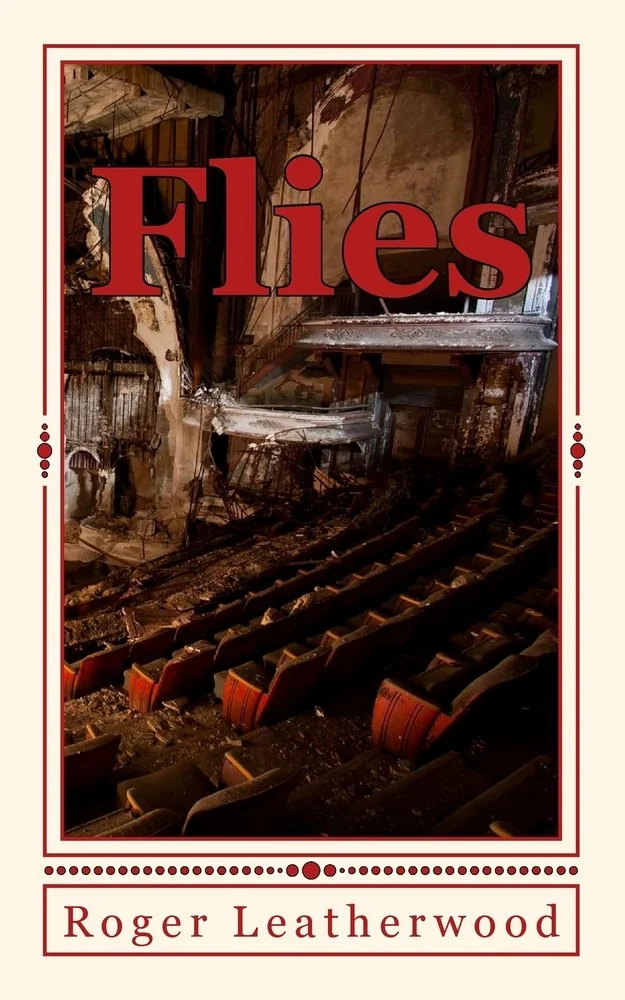
Leatherwood explores the consequences of escaping justice by hiding in a decaying movie palace. The protagonist, formerly known as Flies, carries a twenty-year-old nuclear secret from a government base. His return to his hometown forces him to confront a past he thought was buried. The horror is not immediate but grows with the building’s decay. This approach creates a sense of dread that is both personal and environmental. The story questions the nature of identity and the persistence of guilt. It is a slow-burn tale where the setting acts as a character in its own right.
The book sits within the tradition of gothic chamber pieces and crime novels. It draws on the atmosphere of forgotten government research bases and the decay of old American infrastructure. The narrative reflects a period where nuclear secrets were hidden in plain sight, blending criminal history with supernatural horror.


📝 Description: Flies
💎 Our verdict on Flies
📖 Why choose it
Why this book is worth reading
Readers who appreciate slow-burn narratives driven by psychological unease rather than immediate thrills will find this novel rewarding. It is ideal for those interested in the intersection of criminal history and gothic traditions, offering a deep exploration of identity and the persistence of guilt. The book appeals to fans of atmospheric tension where the environment itself acts as a primary antagonist. Those who enjoy stories where historical weight, such as nuclear secrets, informs personal horror will gain satisfaction from the gradual unraveling of the protagonist’s facade. It is suitable for readers willing to engage with shifting genre rules and narrative ambiguity rather than seeking straightforward resolutions or traditional horror tropes.
⭐ Reader reviews
Reader rating
Roger Leatherwood successfully merges crime fiction with gothic horror, creating a compelling study of dread rooted in place rather than monsters. The deteriorating movie palace serves as a potent character, its decay mirroring the protagonist’s unraveling psyche and buried past. This approach generates a palpable sense of unease that builds steadily over time. The novel excels in its atmospheric tension and psychological depth, making it particularly suited to readers who prefer subtle horror over visceral shock. While those seeking fast-paced action or clear genre boundaries may find the experience frustrating, fans of literary horror and complex character studies will appreciate the nuanced exploration of guilt and identity within a crumbling architectural landscape.
📖 Read on the blog
✍️ More books by this author Roger Leatherwood


🏛 Books from this publisher Createspace Independent Publishing Platform


You might also like
See more →


Have a question about this item?
Ask about the edition, condition, delivery or anything else — we reply by email or phone, usually within a day.
