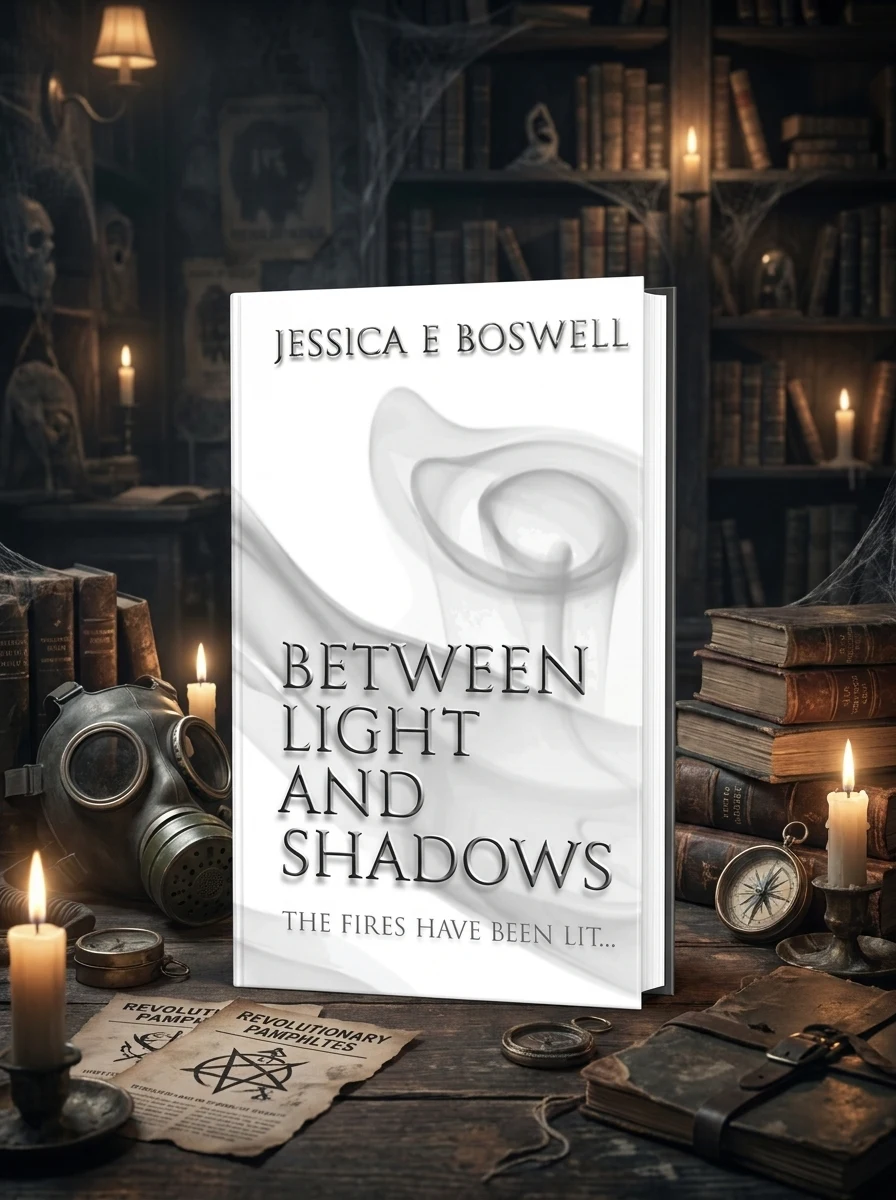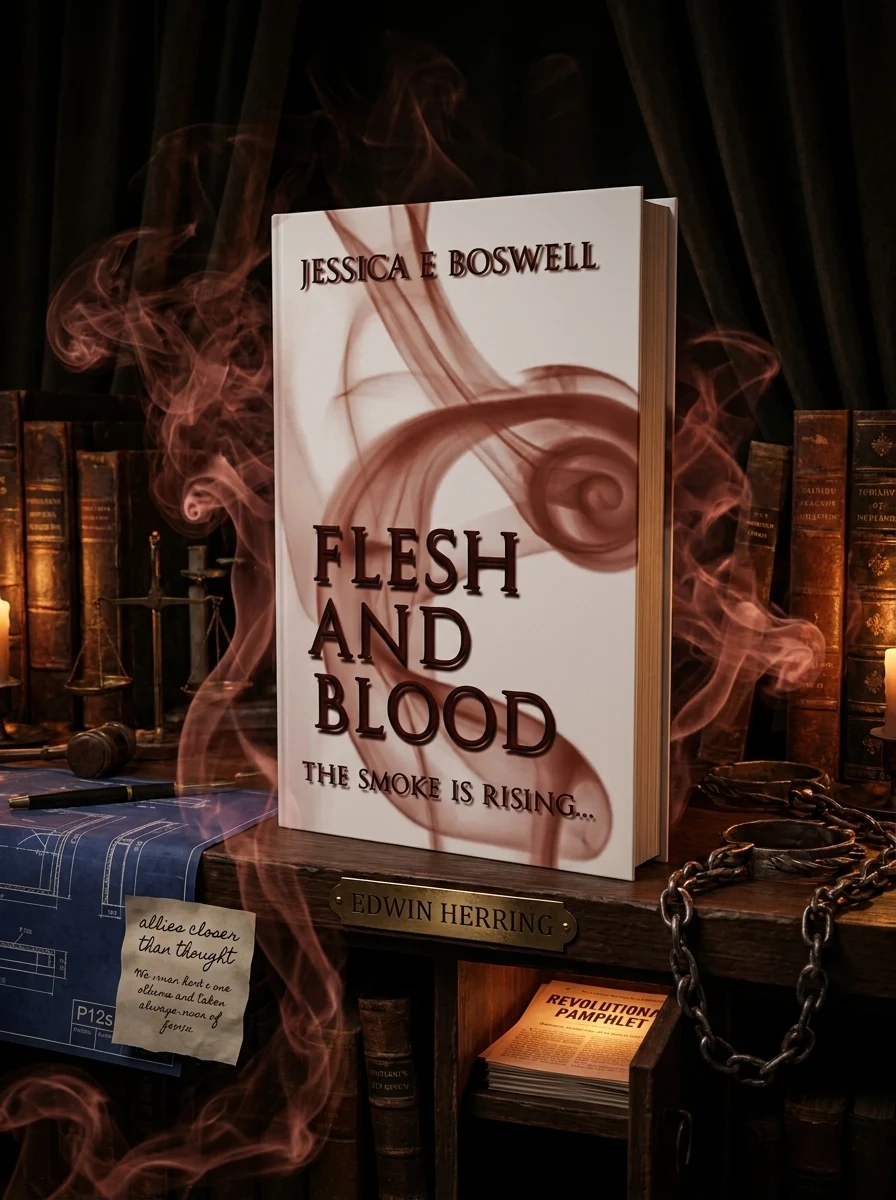
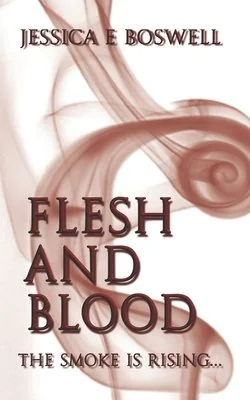
Flesh and Blood
A novel about Aster resisting Edwin Herring's cruel regime amid rising war.
The narrative focuses on Aster’s struggle against a government led by Edwin Herring, who uses fear and a secret weapon to maintain control. As the revolution gains momentum, the line between ally and enemy blurs. Aster must rely on her courage to protect those she cares for while uncovering truths about the changing world. The story highlights the cost of survival in a society where power is concentrated in the hands of the cruel. It examines how individuals respond when faced with overwhelming state force and the threat of total conflict.
Published in 2015 by Createspace Independent Publishing Platform, this work reflects contemporary concerns about authoritarianism and surveillance. It engages with traditions of dystopian fiction where citizens resist oppressive regimes. The text draws on themes of political intrigue and the moral complexities of rebellion in a society controlled by fear.


📝 Description: Flesh and Blood
💎 Our verdict on Flesh and Blood
📖 Why choose it
Why this book is worth reading
Readers drawn to intense political intrigue and the psychological weight of survival under oppression will find this narrative compelling. It offers a stark examination of power dynamics, where individuals must navigate a landscape defined by fear and secret weapons. Those who appreciate stories that blur the lines between ally and enemy, and who are interested in how personal loyalty clashes with systemic cruelty, will gain from its gritty realism. The book provides a sobering look at the cost of resistance against a barbaric government, appealing to those who prefer moral ambiguity over lighthearted escapism.
⭐ Reader reviews
Reader rating
Boswell crafts a tense atmosphere where the horror stems from human cruelty rather than supernatural elements. The portrayal of Edwin Herring as a sly and vicious antagonist grounds the narrative in a harsh reality, making the threat feel immediate and visceral. The work succeeds in highlighting the psychological toll of living under an authoritarian regime, particularly through Aster’s struggle to protect loved ones while uncovering uncomfortable truths. It suits readers who enjoy dystopian fiction with a focus on political intrigue and the erosion of individual freedom. While it lacks traditional fantasy escapism, its commitment to moral ambiguity and the grim realities of war offers a potent, if unsettling, reading experience for those seeking depth over comfort.