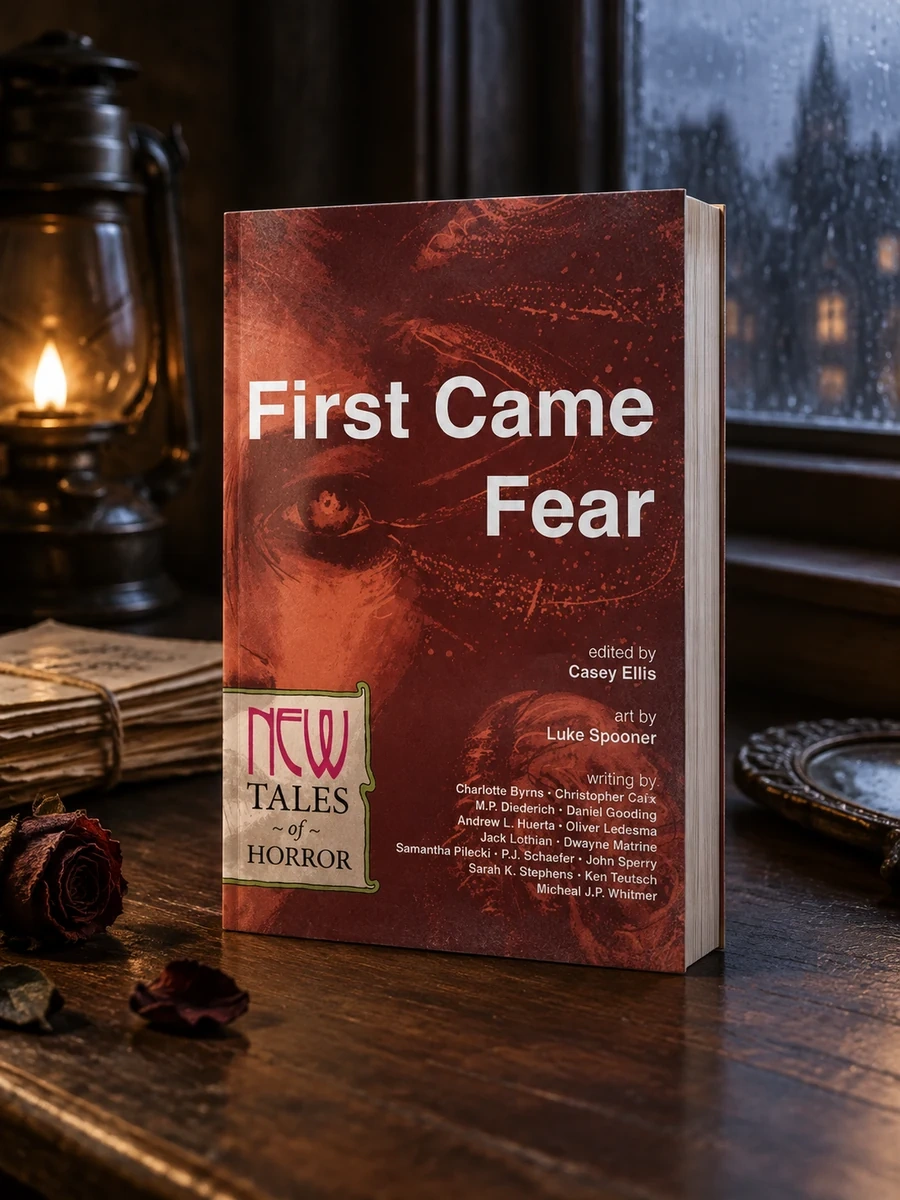

First Came Fear: New Tales of Horror
A curated anthology of fourteen horror stories exploring diverse forms of fear through varied literary traditions.
Ellis organizes this volume by highlighting the breadth of horror rather than a single subgenre. The text moves from ghoulish humor to visceral body horror and socially conscious narratives. Spooner’s illustrations accompany each tale, grounding the text in a Gothic visual tradition. The selection includes works that tackle social issues alongside classic monster stories. This structure allows readers to see how fear operates across different contexts and styles within the genre.
The book sits within the history of horror as the dark side of Romanticism. It connects moody ghost stories with gory beast tales and realistic terrors of murderous rogues. The collection reflects a diverse literary tradition that unifies these varied elements through the emotion of fear.


📝 Description: First Came Fear: New Tales of Horror
💎 Our verdict on First Came Fear: New Tales of Horror
📖 Why choose it
Why this book is worth reading
Readers seeking a broad spectrum of terror will find this collection rewarding, as it moves beyond traditional vampire or werewolf narratives to explore deeper thematic layers. The volume is ideal for those who appreciate ghoulish humor alongside serious social commentary and visceral body horror. By pairing each narrative with dramatic art by Luke Spooner, the book grounds the text in a Gothic visual tradition that enhances the emotional impact. It offers a unified emotional core despite its varied approaches to fear, making it suitable for readers who enjoy diverse literary traditions within the horror genre. The inclusion of works addressing social issues alongside classic monster stories provides a comprehensive look at how fear operates across different contexts and styles.
⭐ Reader reviews
Reader rating
Ellis curates a compelling anthology that highlights the breadth of horror rather than adhering to a single subgenre. The collection successfully transitions from ghoulish humor in stories like Dressage for Beginners to visceral experiences such as Loved to Death. Notable contributions include Oliver Ledesma and Samantha Pilecki’s non-traditional storytelling in Atabey and Roser and the Guide to the Inexplicable, which challenge conventional narrative structures. Sarah K. Stephens’ The Factory chillingly addresses social issues, demonstrating the genre's capacity for serious commentary. Luke Spooner’s illustrations effectively blend Gothic macabre with classic horror styles, enhancing each tale. This volume suits readers who appreciate a wide spectrum of terror, from humorous ghoul tales to profound social critique, offering a unified yet diverse exploration of fear.
📖 Read on the blog
📖 From the series “New”



You might also like
See more →





Have a question about this item?
Ask about the edition, condition, delivery or anything else — we reply by email or phone, usually within a day.
