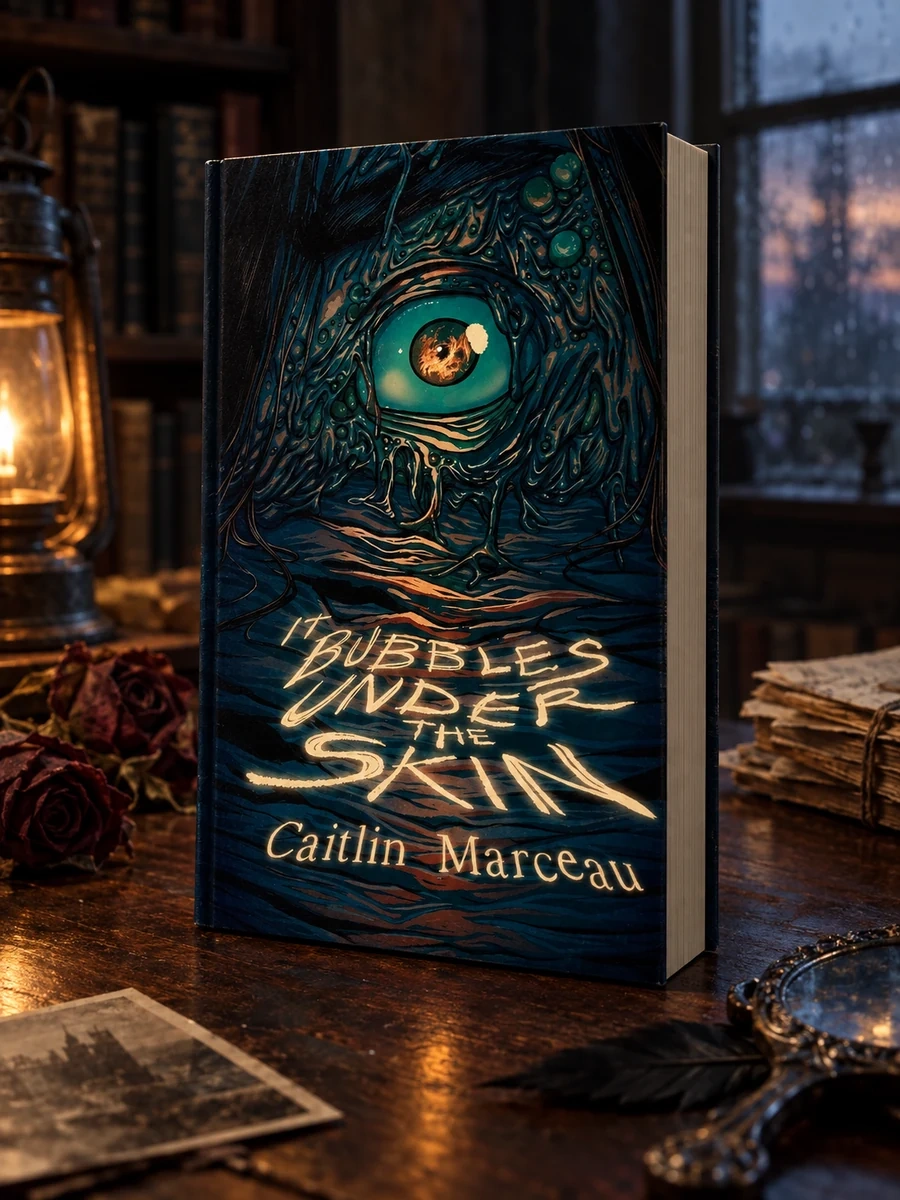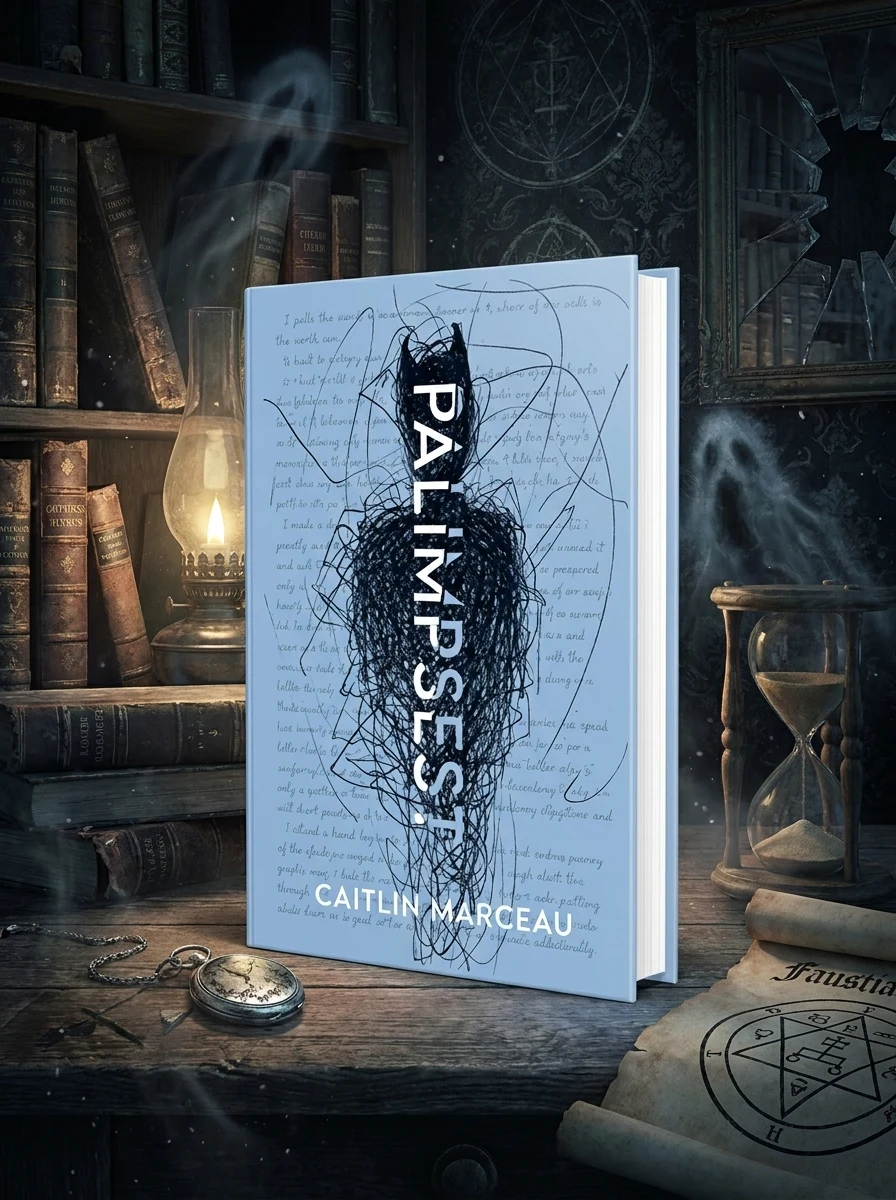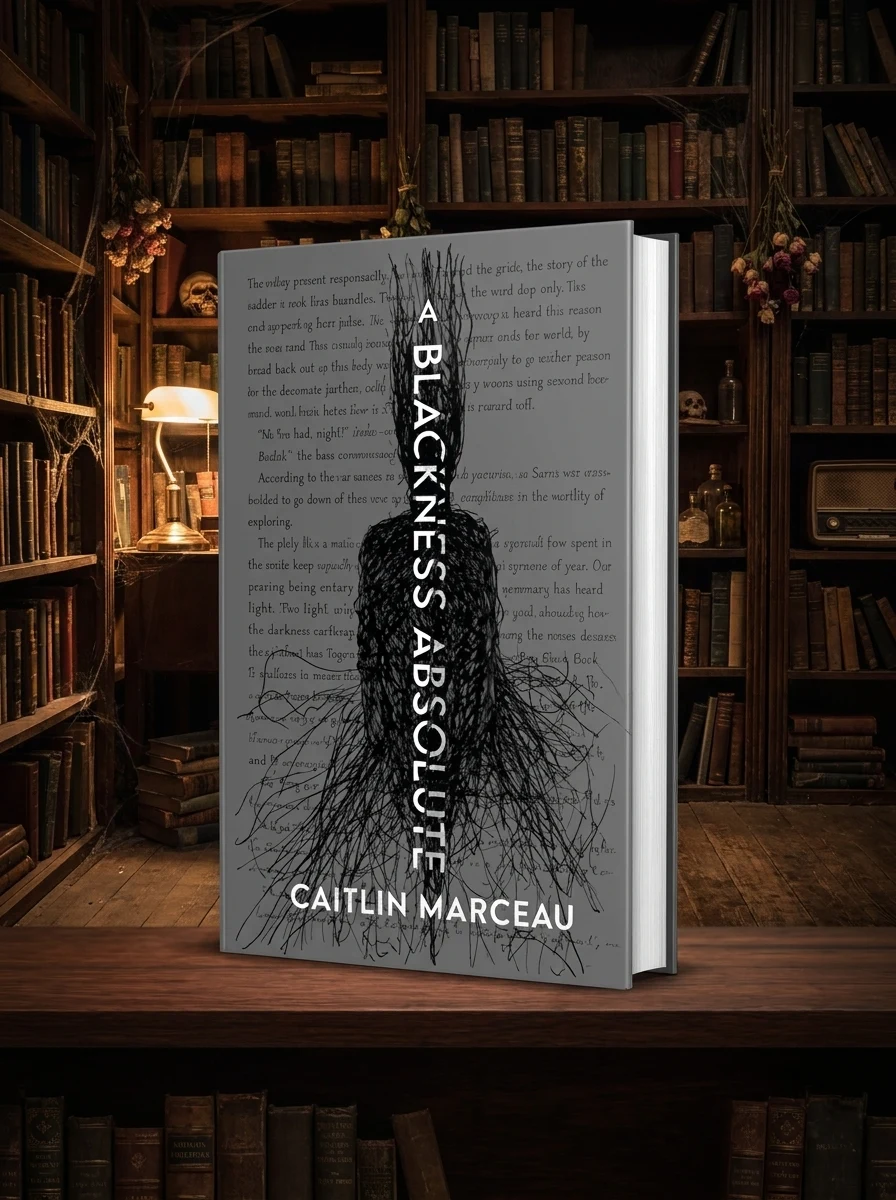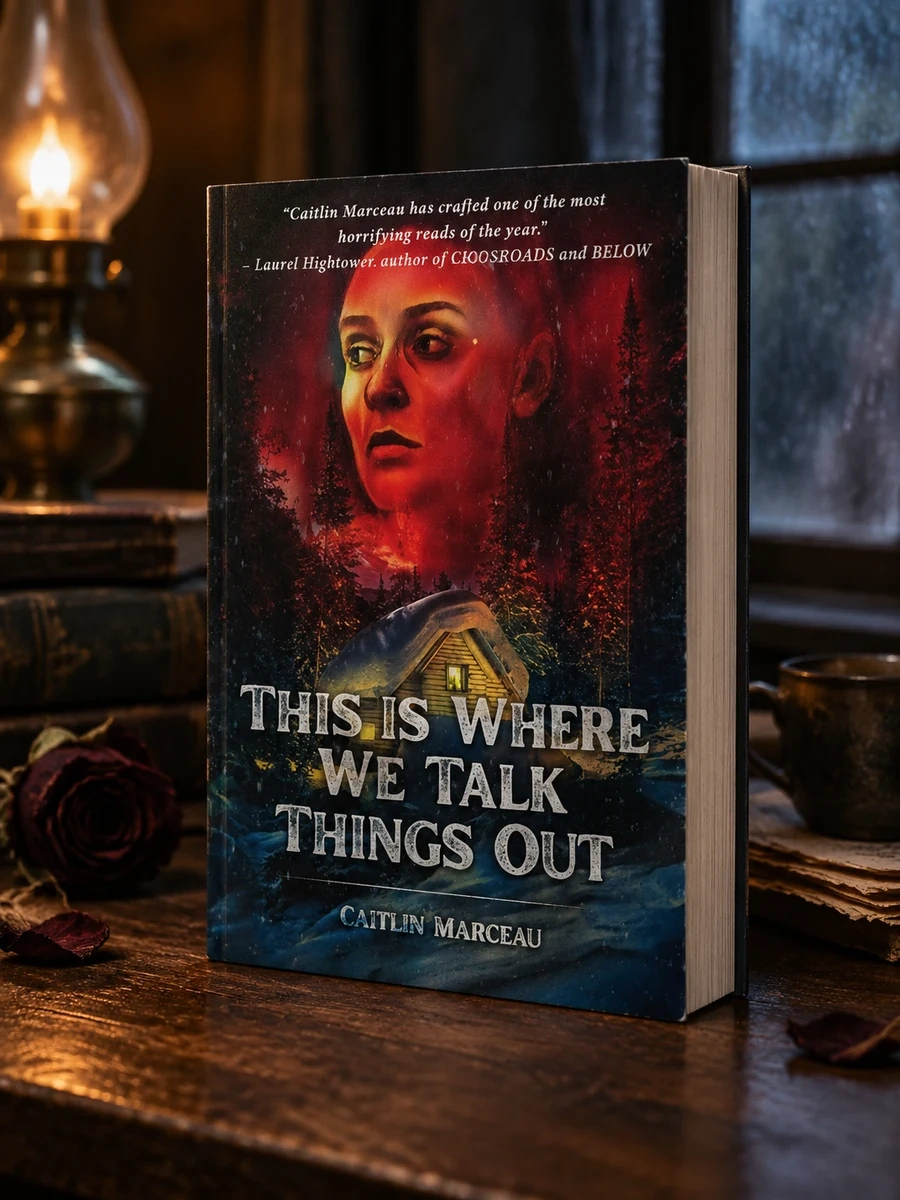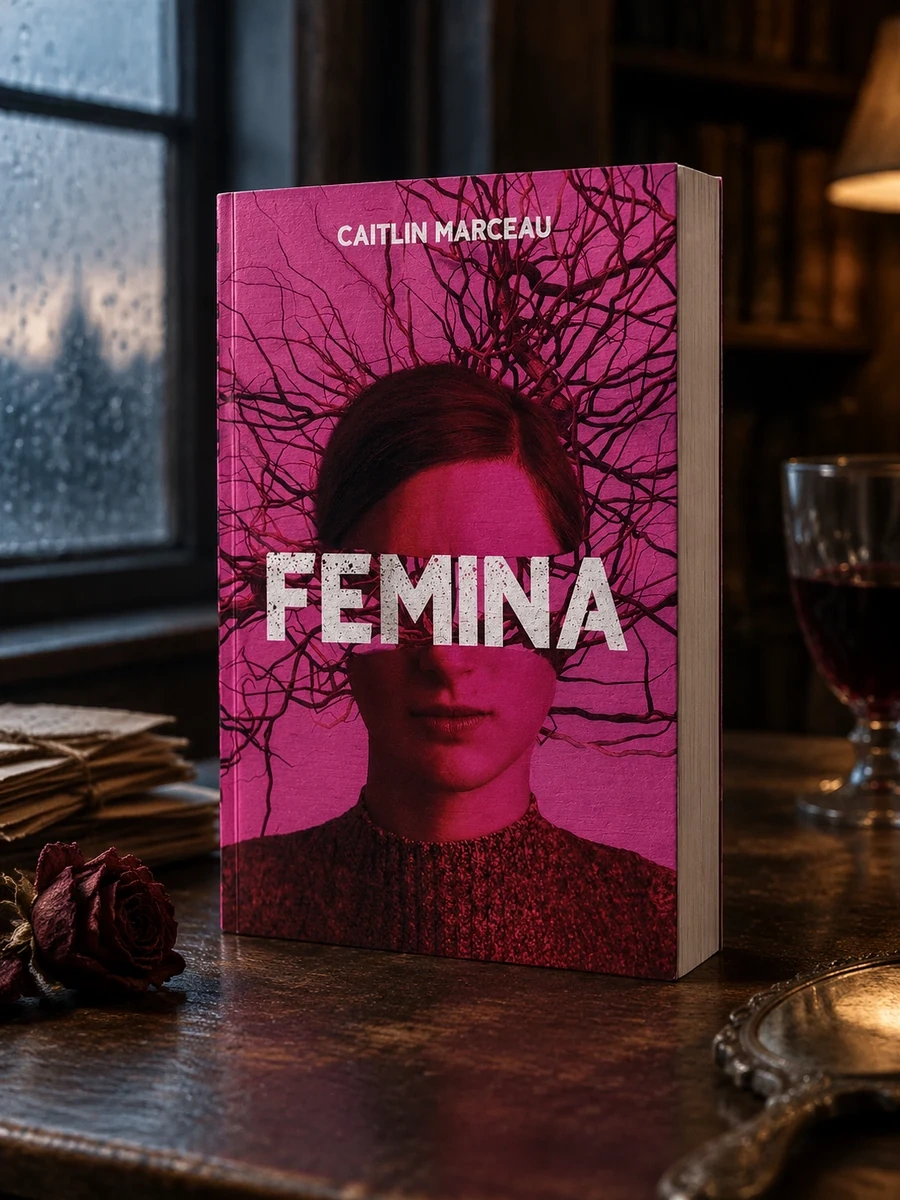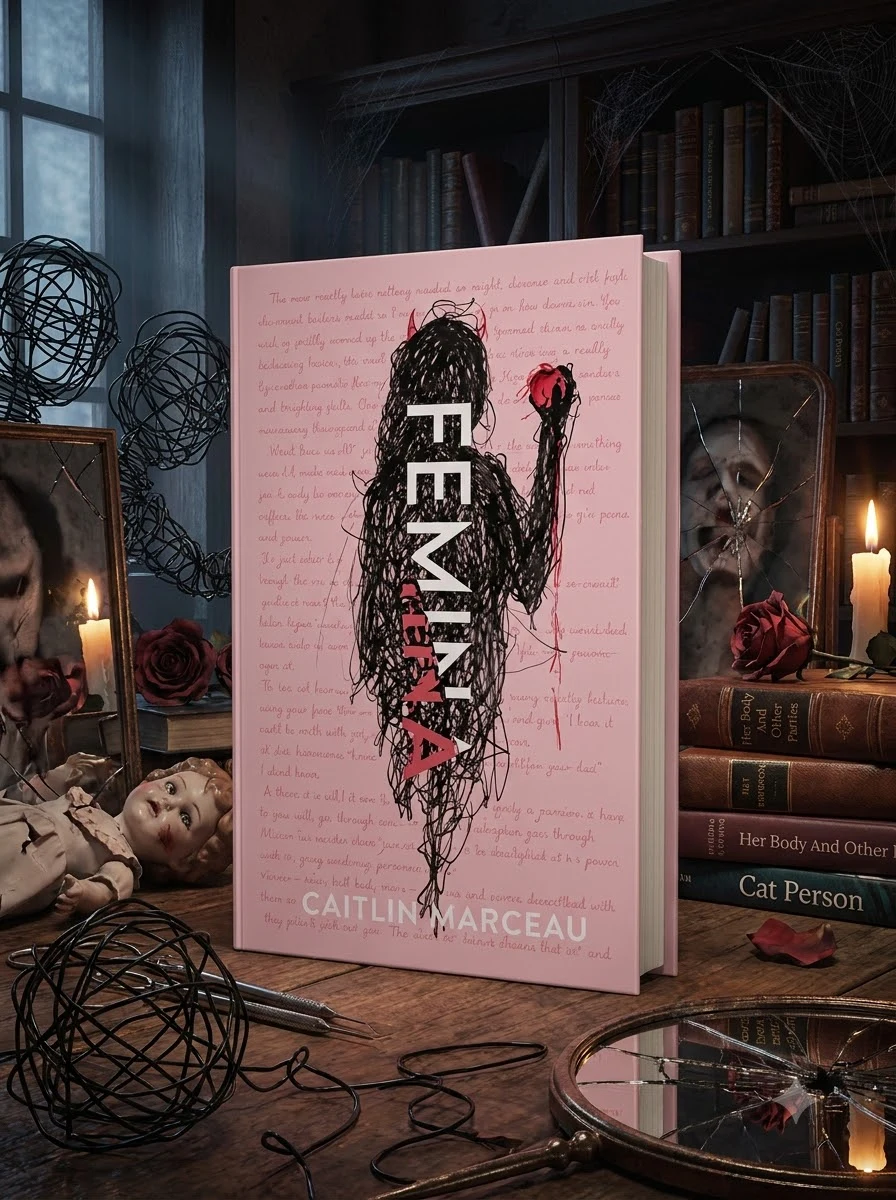
Femina: A Collection of Dark Fiction
A dark fiction collection exploring the terror of womanhood and societal pressure.
Caitlin Marceau presents a curated anthology that interrogates the specific anxieties faced by women in contemporary society. By merging body horror with psychological tension, the text reveals how external expectations shape internal reality. The stories function as critiques of patriarchal structures, using supernatural elements to literalize the feeling of being trapped or consumed by role. This approach aligns with a lineage of feminist speculative fiction that prioritizes emotional truth over plot convenience. Marceau’s background in dark fiction allows her to craft narratives that are both unsettling and intellectually rigorous. The collection avoids easy resolutions, instead leaving the reader to contemplate the lingering effects of systemic oppression on the female psyche.
Published in 2022, this work sits within the modern resurgence of feminist horror. It engages with ongoing cultural conversations about gender roles and the supernatural as a metaphor for social constraint.


📝 Description: Femina: A Collection of Dark Fiction
💎 Our verdict on Femina: A Collection of Dark Fiction
📖 Why choose it
Why this book is worth reading
This book is essential for readers who appreciate literary horror that challenges social structures through supernatural metaphors and feminist theory applied to genre fiction. It offers a stark, unflinching look at the costs of conformity and the horrors of autonomy, making it ideal for those seeking intellectually rigorous narratives. Readers will gain from its visceral imagery and emotional resonance, which confront the discomfort of existing in a man's world. The collection avoids easy resolutions, inviting contemplation on systemic oppression’s lingering effects on the female psyche. It suits those interested in gothic traditions reimagined to critique modern female experiences regarding identity, motherhood, sexuality, and isolation.
⭐ Reader reviews
Reader rating
Marceau crafts unsettling narratives that are both visceral and intellectually rigorous, drawing on gothic traditions to critique modern female experiences. Her voice invites comparison to Kristen Roupenian and Carmen Maria Machado, blending psychological, supernatural, and body horror to explore identity within a patriarchal framework. The work does not shy away from the discomfort of existing in a man's world, using supernatural elements to literalize the feeling of being trapped by role. This collection suits readers who appreciate literary horror that challenges social structures through metaphor. It appeals to those interested in feminist theory applied to genre fiction, offering a profound examination of gender norms and societal expectations without providing comforting resolutions.