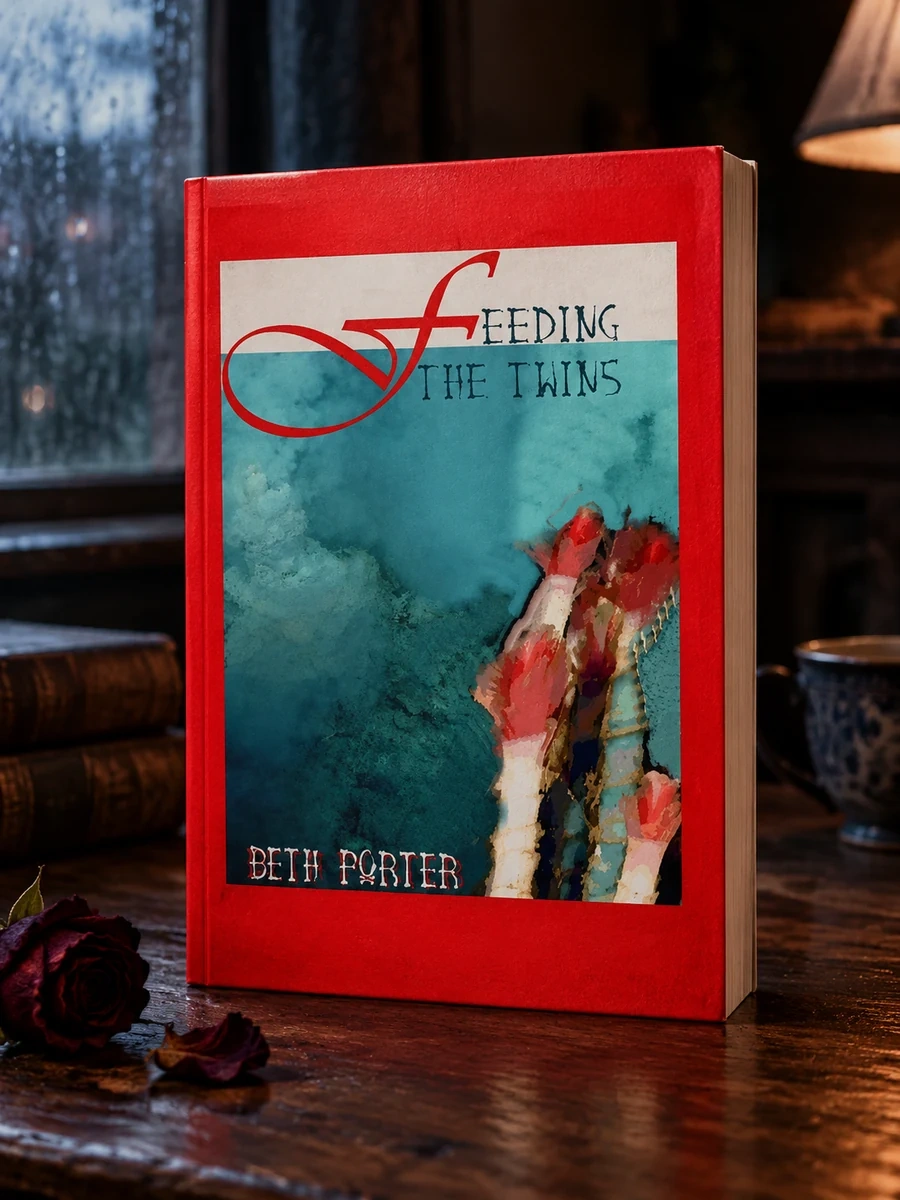

Feeding the Twins
Beth Porter analyzes how modern culture feeds on supernatural horror.
Porter investigates the lineage of twin monsters in folklore and their adaptation into contemporary digital spaces. She traces how these figures transitioned from oral traditions to viral memes, maintaining their ravenous essence. The analysis highlights the power dynamics between creator and consumer in the horror genre. Porter suggests that our obsession with consuming scary content mirrors the twins' demand for food. This perspective challenges readers to consider their own complicity in perpetuating horror cycles. The work connects historical myth-making with current online behavior patterns.
Published by Womenstuff Publishing in 2018, this book sits at the crossroads of gothic literature and digital culture studies. It addresses the American fascination with supernatural entities and how they manifest in modern media consumption habits.


📝 Description: Feeding the Twins
💎 Our verdict on Feeding the Twins
📖 Why choose it
Why this book is worth reading
This book is essential for readers interested in cultural analysis and the psychological roots of horror tropes. It appeals to those willing to examine their own complicity in perpetuating fear cycles through digital consumption. The work challenges audiences to confront uncomfortable truths about their relationship with scary content, offering a visceral perspective on how modern culture feeds on supernatural horror. It is not for those seeking traditional plot-driven narratives or academic detachment. Instead, it demands engagement with the direct, often unsettling implications of our obsession with consuming fear, making it a profound study for those who wish to understand the power dynamics between creator and consumer in the horror genre.
⭐ Reader reviews
Reader rating
Porter delivers a sharp, uncompromising analysis that strips away conventional niceties to reveal the common horror lurking beneath modern entertainment. The text excels in connecting historical myth-making with current online behavior patterns, illustrating how twin monsters transition from folklore to viral memes while maintaining their ravenous essence. This approach suits readers who enjoy examining the roots of horror tropes and are comfortable with abstract, direct arguments about cultural complicity. It is less suitable for those preferring traditional narratives or detached academic tones. The work’s strength lies in its ability to make readers feel the visceral demands of these entities, effectively arguing that our consumption habits feed the very monsters we claim to fear.
You might also like
See more →







Have a question about this item?
Ask about the edition, condition, delivery or anything else — we reply by email or phone, usually within a day.
