

Feather Tongue
A gothic tale of a silenced prophet trapped by religious devotion.
Greywell constructs a chilling portrait of J.M. Errevale, who was abandoned at a chapel as a child and later elevated to sainthood due to his early literary success. The narrative dissects the psychological toll of this imposed holiness. Through disjointed manuscripts and audio recordings, the story reveals how the community’s reverence becomes a cage. Errevale struggles against the erasure of his individuality, as the chapel prioritizes its own mythology over his humanity. The work details the physical abuse used to maintain this illusion of divinity. It is a study of how society consumes those it deems sacred, stripping them of agency and voice in the process.
The narrative is set in a small chapel in Lozere, France. It draws on gothic traditions of body horror and supernatural fiction to critique the intersection of faith and institutional control. The story reflects on the historical practice of elevating child prodigies to religious icons.


📝 Description: Feather Tongue
💎 Our verdict on Feather Tongue
📖 Why choose it
Why this book is worth reading
Readers drawn to the intersection of religious trauma and psychological horror will find profound resonance in this narrative. It offers a harrowing examination of how societal devotion can function as a mechanism of control, stripping individuals of their agency and voice. Those interested in stories where the sacred becomes profane through consumption and abuse will appreciate the visceral depiction of Errevale’s suffering. The book is ideal for audiences who prefer unredemptive tales that expose the brutal cost of imposed holiness, providing a chilling look at the erosion of self within rigid institutional frameworks.
⭐ Reader reviews
Reader rating
Greywell delivers a chilling portrait of J.M. Errevale, utilizing disjointed manuscripts and audio recordings to map his psychological unraveling. The narrative effectively dissects the tension between personal identity and institutional sanctity, rendering the chapel as a cage rather than a sanctuary. The imagery of forced silencing serves as a potent metaphor for the erasure of individuality under religious pressure. This work suits readers who appreciate slow-burn gothic horror that critiques power dynamics without offering easy redemption. It is a disturbing, well-crafted study of desecration disguised as devotion.
📖 Read on the blog
✍️ More books by this author Elowen Greywell



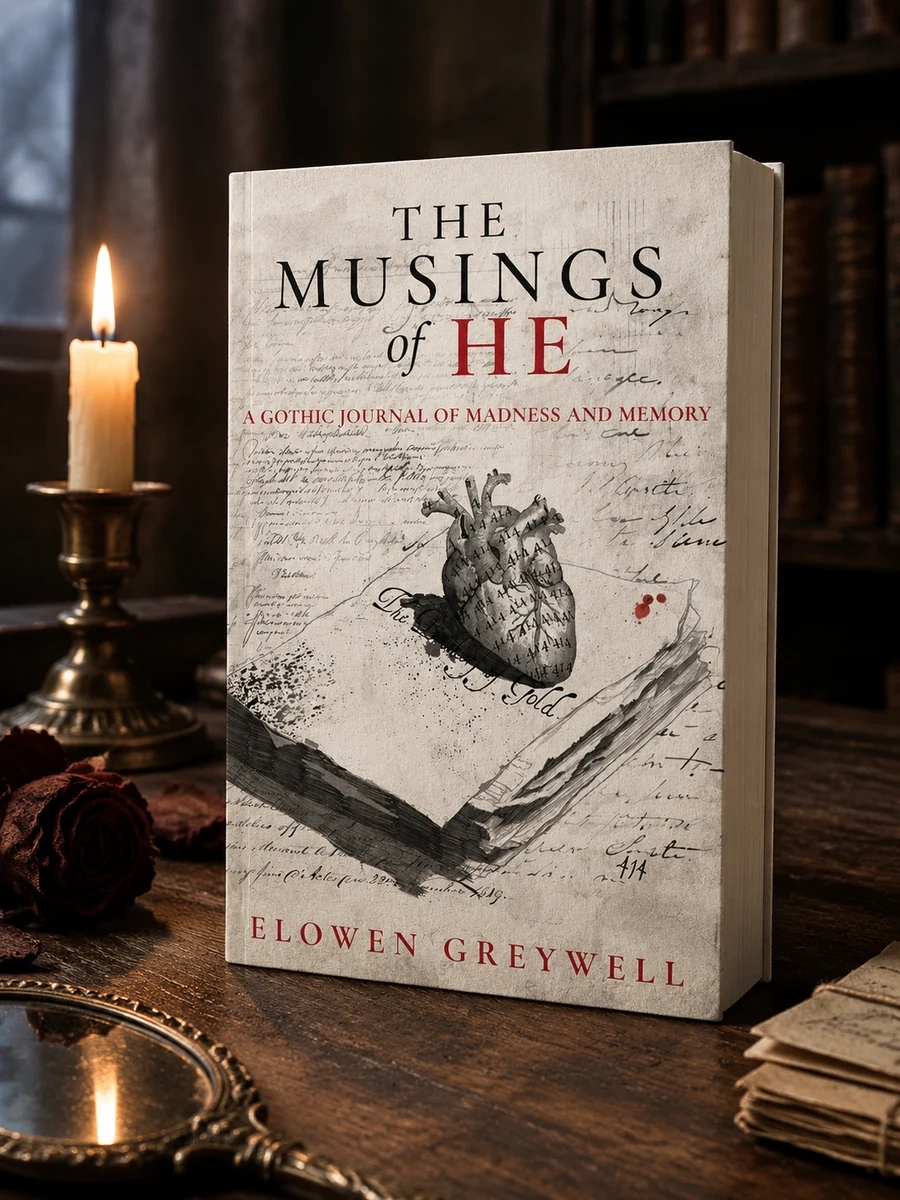

🏛 Books from this publisher Hillsather Publishing House
You might also like
See more →



Have a question about this item?
Ask about the edition, condition, delivery or anything else — we reply by email or phone, usually within a day.
