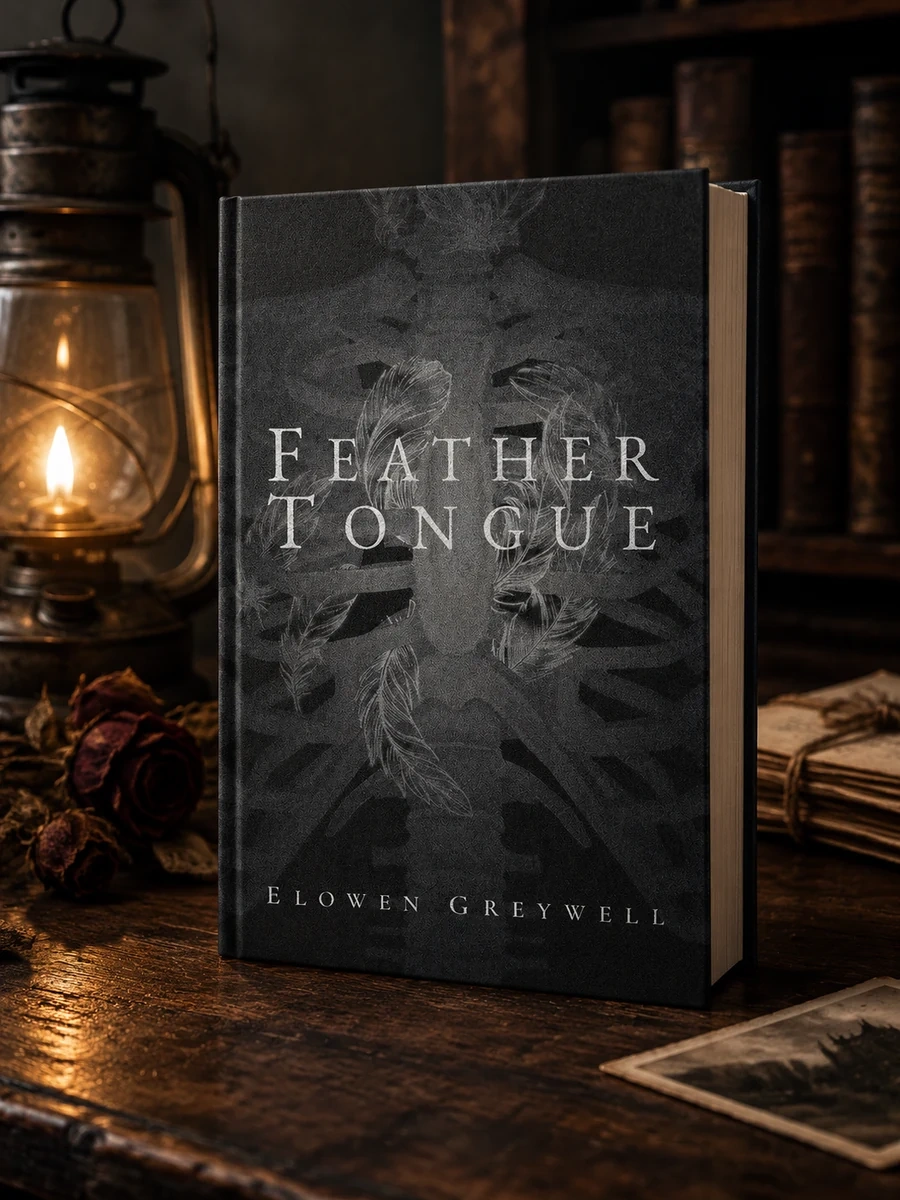
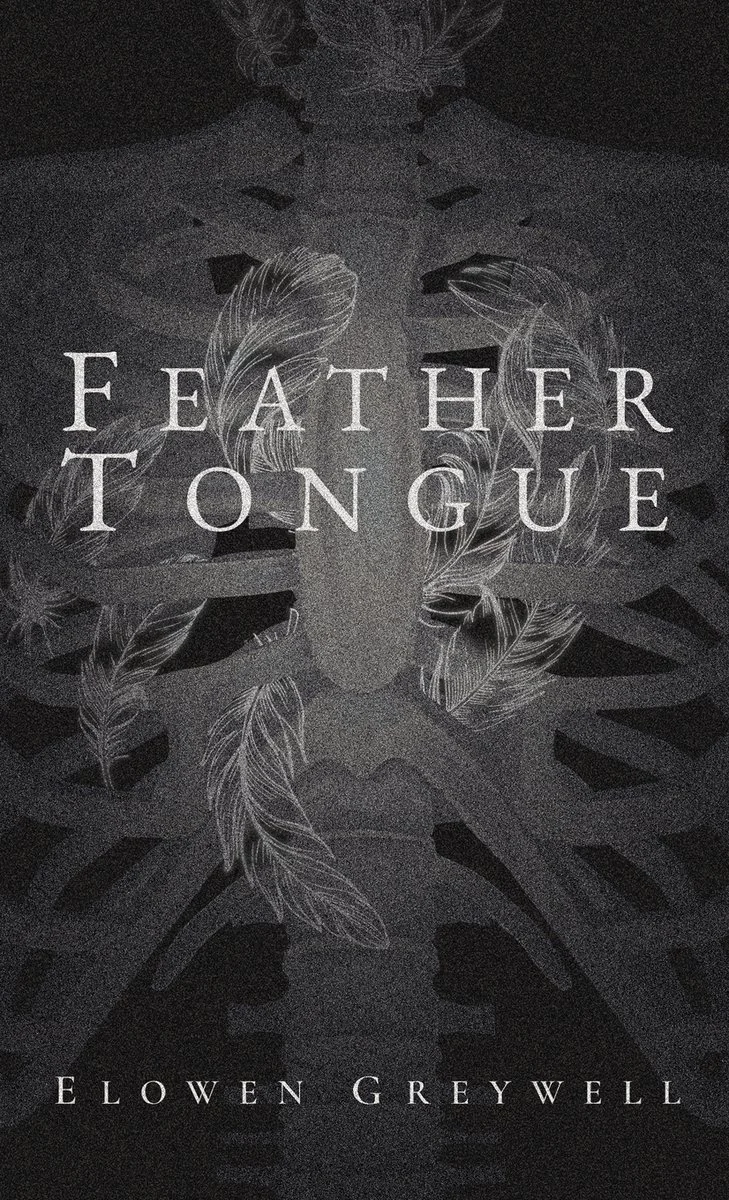
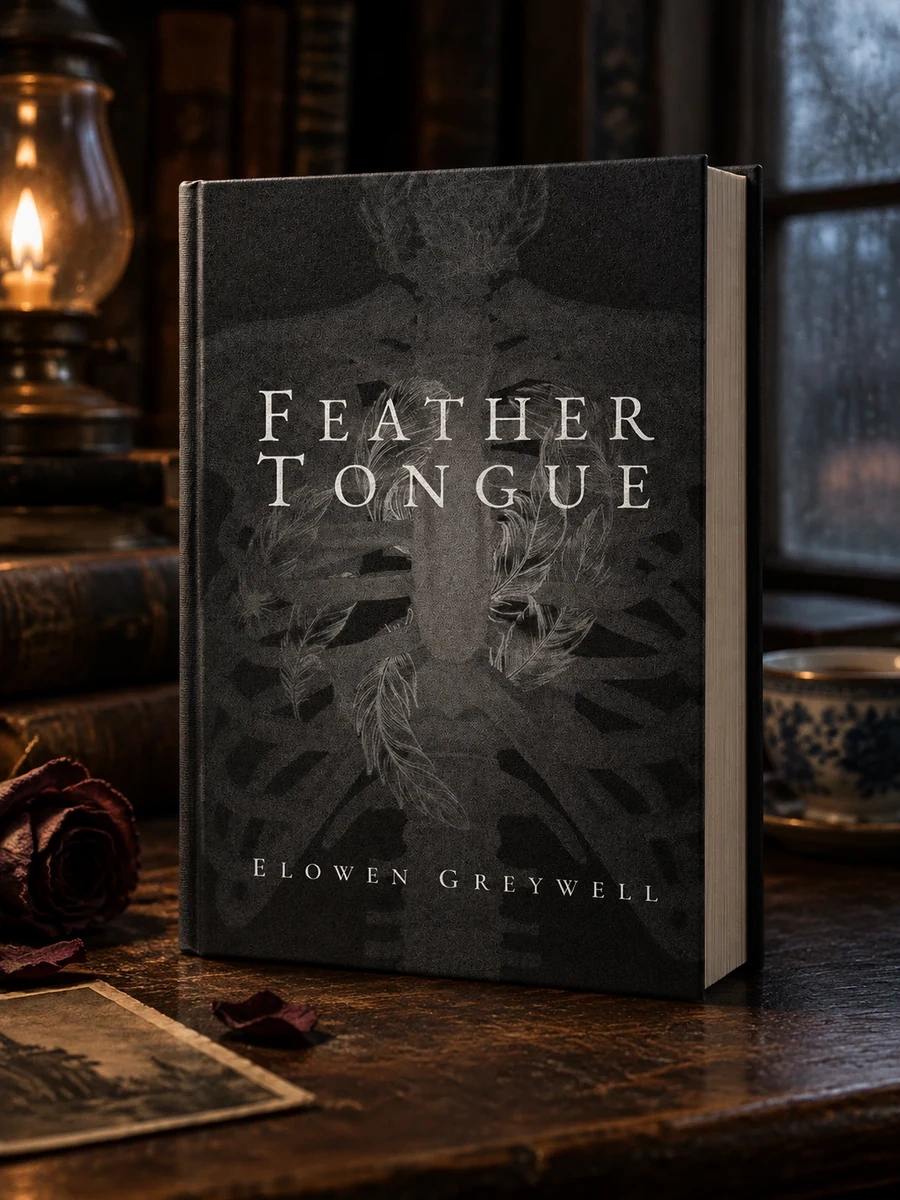
Feather Tongue
A gothic tale of a prophet forced into silence by his own sanctity.
Greywell constructs a chilling portrait of J.M. Errevale, who was crowned a prodigy at fourteen only to be chained to an unchosen destiny. The narrative moves away from traditional plot progression, instead unraveling through personal artifacts that document his loss of autonomy. The setting in Lozere provides a backdrop for the sisters and priests who await words he never intended to speak. The story highlights the violence inherent in being loved as a symbol rather than a person. Errevale’s journey is one of silent suffering, where feathers forced down his throat muffle screams against the institutional demand for holiness.
The novel sits within the tradition of gothic fiction, drawing on themes of religious fervor and the supernatural. It is set in a contemporary context where historical practices of prophecy intersect with modern media like cassette tapes. The work reflects on the American and European literary interest in the corruption of innocence by institutional power.


📝 Description: Feather Tongue
💎 Our verdict on Feather Tongue
📖 Why choose it
Why this book is worth reading
Readers seeking a visceral exploration of identity loss under the weight of religious expectation will find this novel deeply resonant. It appeals to those who appreciate horror that operates through psychological erosion rather than jump scares, offering a chilling meditation on how society consumes individuals it deems holy. The fragmented narrative structure rewards patience, providing a unique lens into the suffocating reality of being treated as a symbol rather than a person. Those interested in the intersection of sanctity and violence, or the horror of forced silence, will gain insight into the terrible cost of unchosen destiny. It is essential for fans who value atmospheric dread and literary critique over conventional plot resolution.
⭐ Reader reviews
Reader rating
Greywell delivers a haunting examination of autonomy versus devotion, using fragmented artifacts to build an atmosphere of inescapable dread. The narrative effectively portrays the violence inherent in being loved as a symbol, making the horror feel intimate and psychological rather than supernatural. By focusing on the physical and spiritual cost of institutional demand, the text offers a powerful critique of religious sanctity. This approach suits readers who enjoy slow-burn tension and complex character studies over action. It is best for those willing to engage with difficult themes of desecration and identity erasure, providing a deeply unsettling yet intellectually stimulating experience that lingers long after reading.
📖 Read on the blog
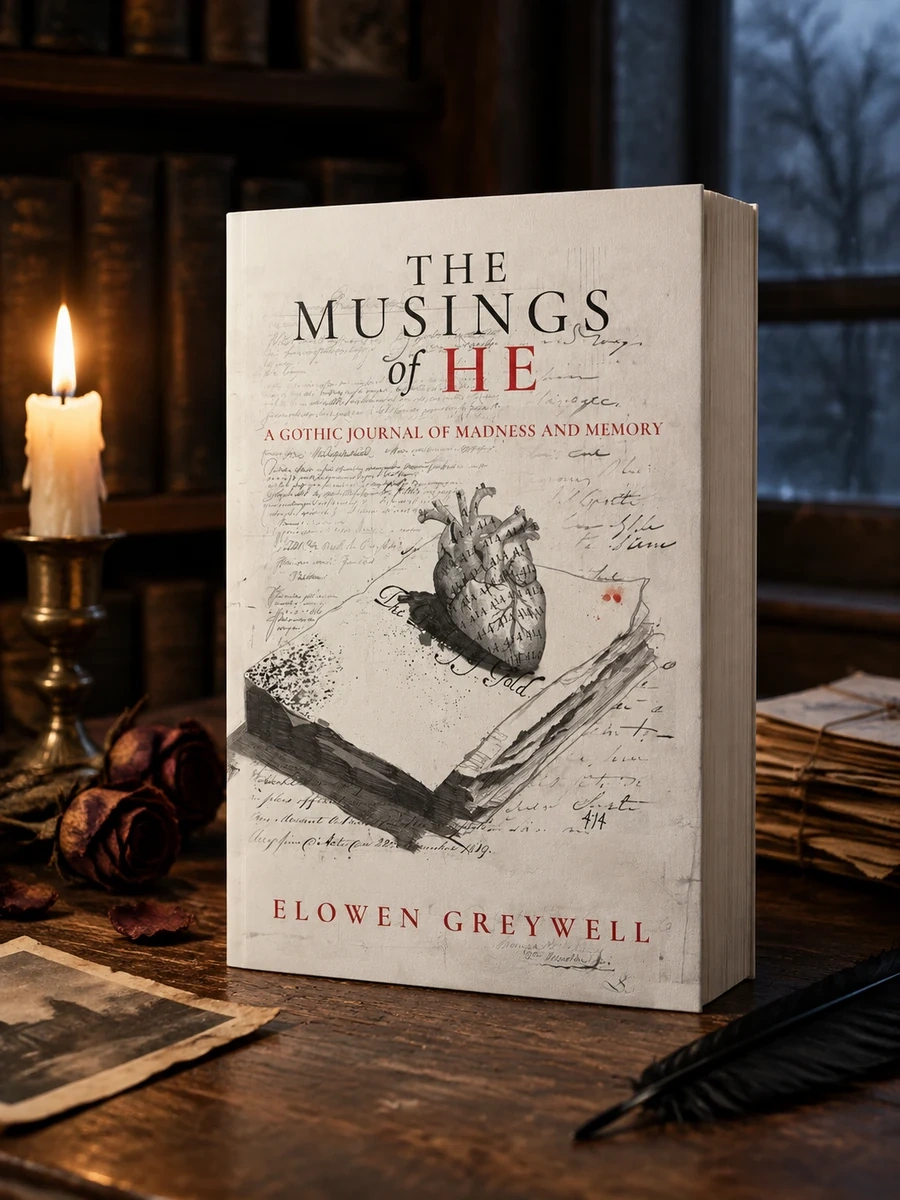
✍️ More books by this author Elowen Greywell
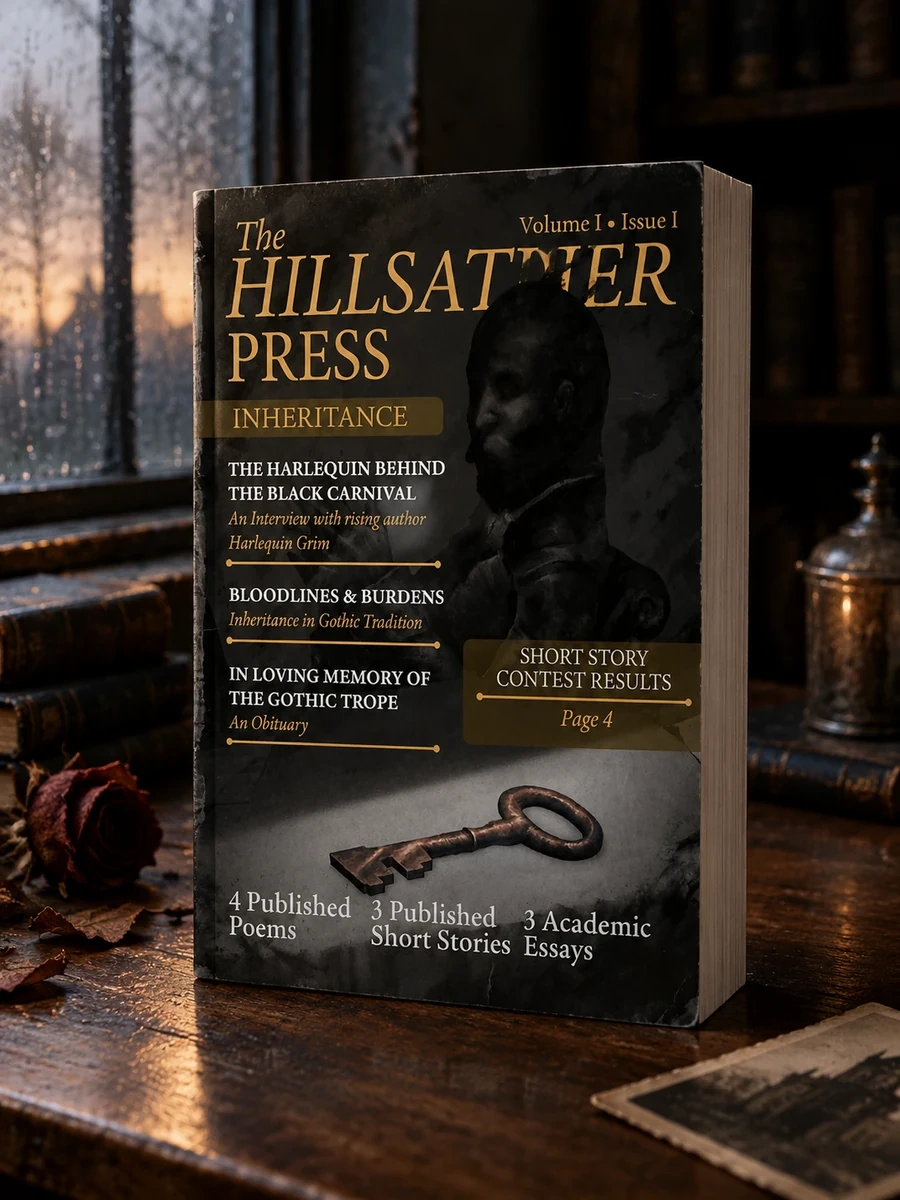


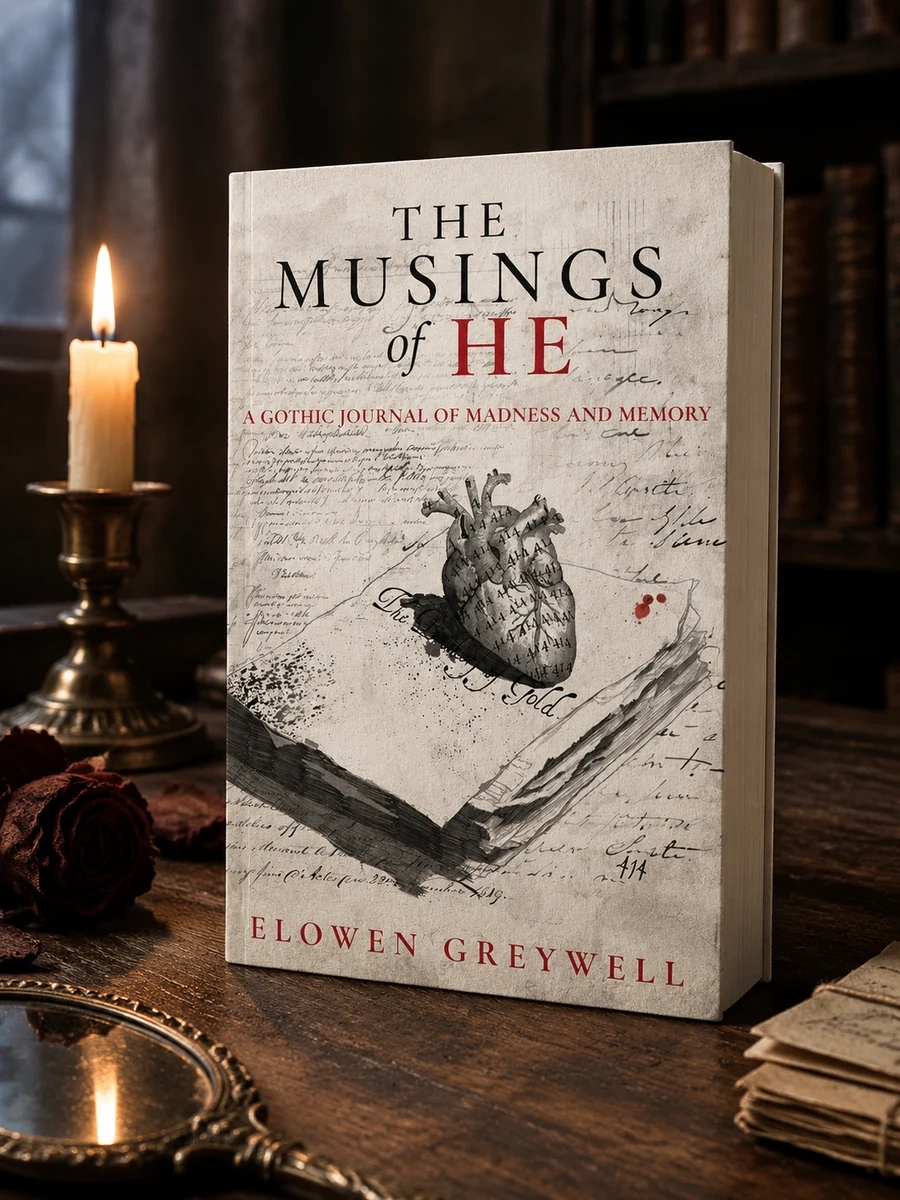
🏛 Books from this publisher Hillsather Publishing House
You might also like
See more →

Have a question about this item?
Ask about the edition, condition, delivery or anything else — we reply by email or phone, usually within a day.
