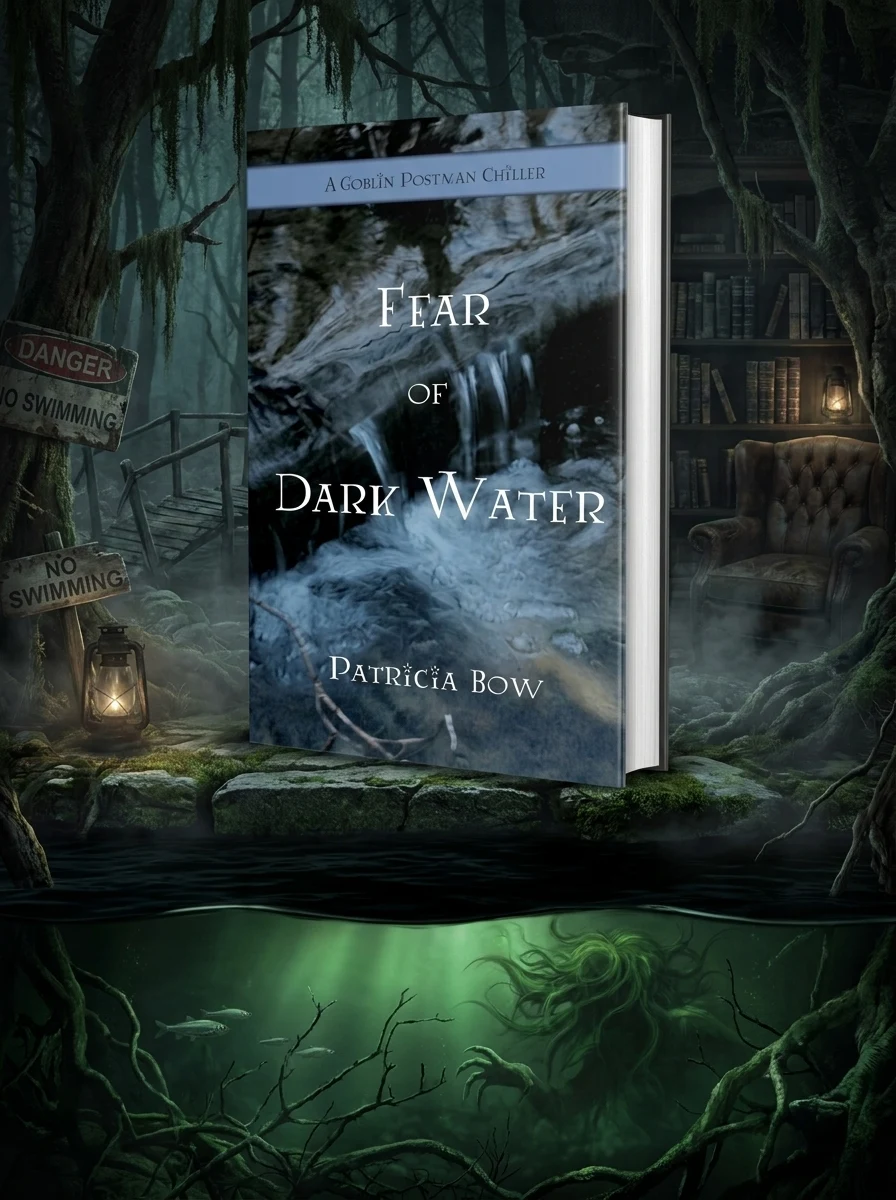
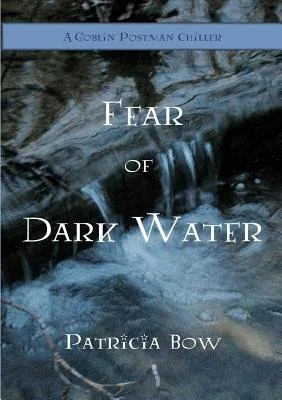
Fear of Dark Water
A psychological horror novel about a woman confronting a real-life bogeyman in dark water.
The narrative focuses on Jo’s struggle with a stomach-churning phobia of dark water. She decides to swim in a forest pool to defeat this fear, only to encounter something beneath the surface that defies explanation. The story explores the intersection of folklore and personal trauma, using the legend of Jenny Greenteeth as a lens for contemporary anxiety. The setting is isolated and shadowed, emphasizing the isolation of the protagonist. As Jo descends into the green-lit depths, she faces a pale shape that challenges her rational understanding of the world. The tension builds through sensory details rather than action sequences, focusing on the dread of the unknown.
The story is rooted in English folklore, specifically the legend of Jenny Greenteeth. It utilizes the bogeyman strategy traditionally used to keep children from dangerous natural features like pools and bogs. The narrative blends these old tales with modern psychological horror.


📝 Description: Fear of Dark Water
💎 Our verdict on Fear of Dark Water
📖 Why choose it
Why this book is worth reading
Readers who appreciate psychological horror rooted in folklore will find this narrative compelling. It appeals to those interested in how ancient dread manifests in modern contexts, particularly regarding personal trauma. The book offers a chilling atmosphere without relying on overt gore or action sequences. Instead, it focuses on sensory details and the tension of the unknown. Jo’s struggle with her phobia provides an intimate entry point into the terror. Fans of gothic settings and isolated, shadowed environments will enjoy the immersive tone. It is ideal for those who prefer ambiguity over explicit explanations of supernatural events.
⭐ Reader reviews
Reader rating
Patricia Bow crafts a tense exploration of fear, using the legend of Jenny Greenteeth to anchor Jo’s psychological descent. The narrative excels in building dread through sensory details rather than action, creating an unsettling atmosphere that lingers. By blurring the line between reality and phobia, the story challenges rational understanding without resorting to explicit horror tropes. This approach suits readers who enjoy supernatural fiction grounded in English folktale traditions. It is particularly effective for those interested in the intersection of folklore and contemporary anxiety. The isolated setting enhances the sense of vulnerability, making the encounter with the pale shape deeply impactful. Bow’s ambiguity ensures the terror remains potent, appealing to fans of subtle, psychological horror over visceral shock.
You might also like
See more →







Have a question about this item?
Ask about the edition, condition, delivery or anything else — we reply by email or phone, usually within a day.
