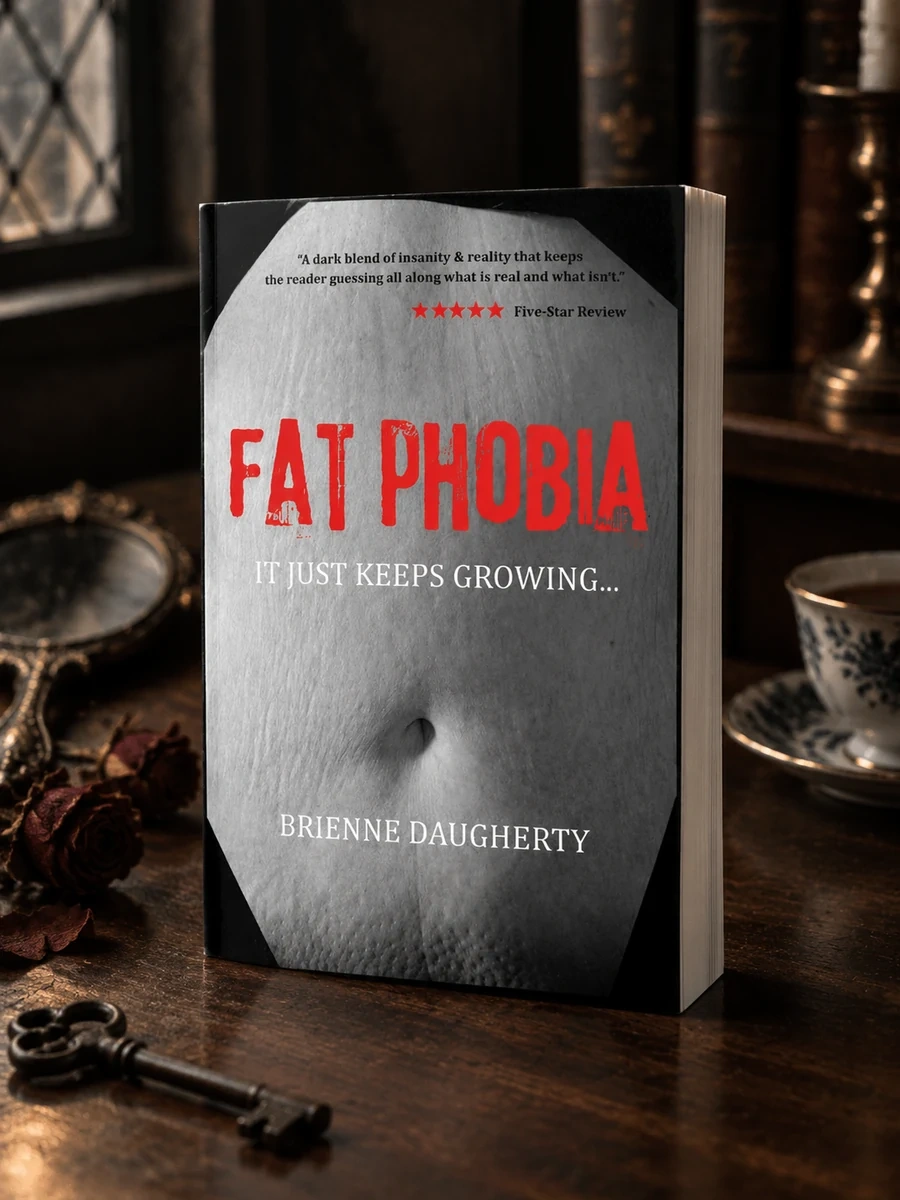
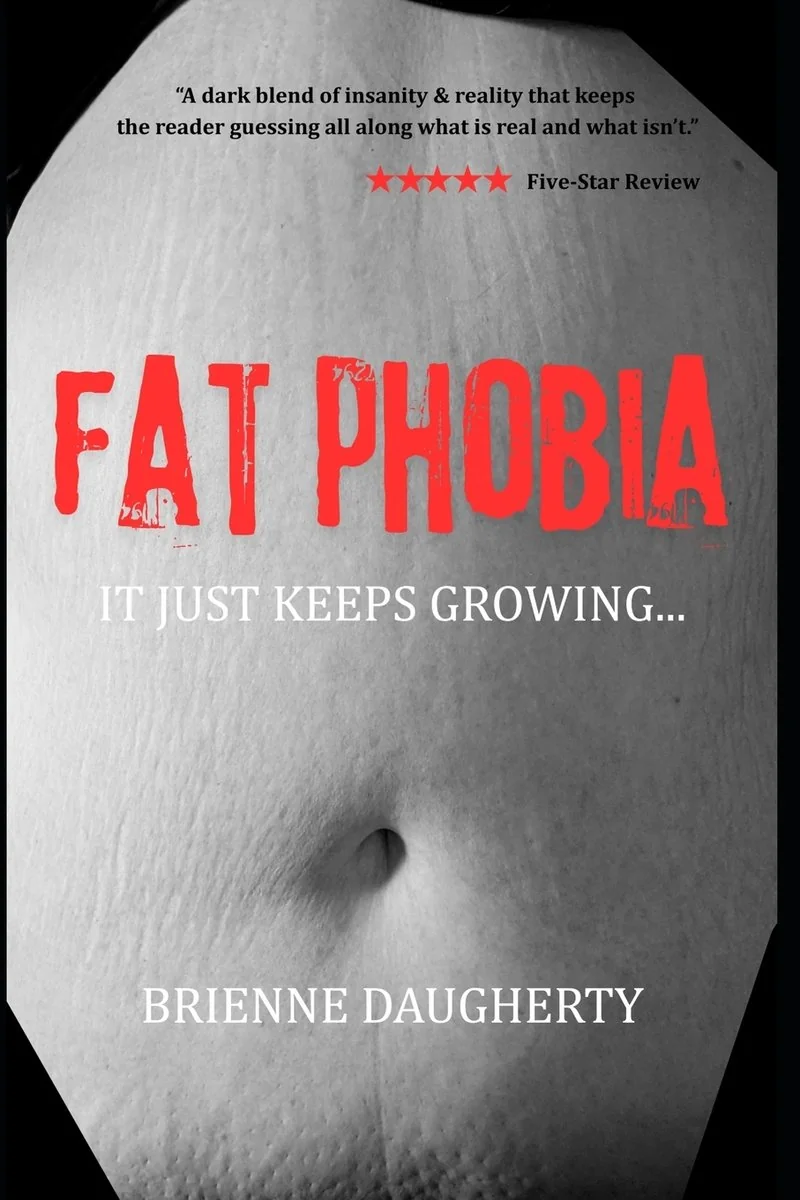
Fat Phobia
A dual-timeline horror novel about bodily mutation and maternal terror.
The text operates through two distinct chronological threads that converge on the theme of flesh being contested territory. One thread tracks a modern woman whose diet triggers a grotesque physical transformation, while the other follows a historical mother defending her daughter from communal malice. Daugherty uses these parallel plots to examine how fear manifests in both personal isolation and collective violence. The story does not rely on jump scares but rather on the slow erosion of safety within one’s own skin and community.
The work sits within the tradition of American independent horror publishing, specifically focusing on gothic supernatural fiction. It draws on long-standing literary tropes regarding the monstrous body and the evil village, updating them for a contemporary audience through the lens of modern anxieties about health and self-image.


📝 Description: Fat Phobia
💎 Our verdict on Fat Phobia
📖 Why choose it
Why this book is worth reading
Readers drawn to visceral body horror and the erosion of personal safety will find this dual-timeline narrative deeply compelling. The book offers a chilling examination of bodily autonomy, contrasting modern psychological anxiety with historical supernatural threats. It appeals to those who prefer slow-burning dread over jump scares, focusing on the internal decay of trust within one's own skin and community. The parallel suffering of the protagonists across eras provides a rich thematic exploration of maternal protection and communal malice. This is not for those seeking lighthearted supernatural fiction or external monster narratives, but rather for audiences ready to confront the grotesque realities of flesh as contested territory.
⭐ Reader reviews
Reader rating
Daugherty crafts a disturbing dual narrative that effectively intertwines contemporary psychological horror with historical supernatural dread. The modern timeline’s focus on bodily mutation following dietary choices creates a palpable sense of violation, while the historical thread regarding communal plots against a child adds gothic weight. The book excels in its thematic cohesion, linking personal isolation to collective violence without relying on cheap scares. It suits readers who appreciate slow erosion of safety and complex character studies over action-driven plots. While demanding attention to parallel timelines, it rewards those interested in the grotesque intersection of maternal terror and societal fear.
📖 Read on the blog
🏛 Books from this publisher Independently Published








You might also like
See more →


Have a question about this item?
Ask about the edition, condition, delivery or anything else — we reply by email or phone, usually within a day.
