
Explosive Dreams
A profiler hunts a bomber targeting county fair rides in this procedural thriller.
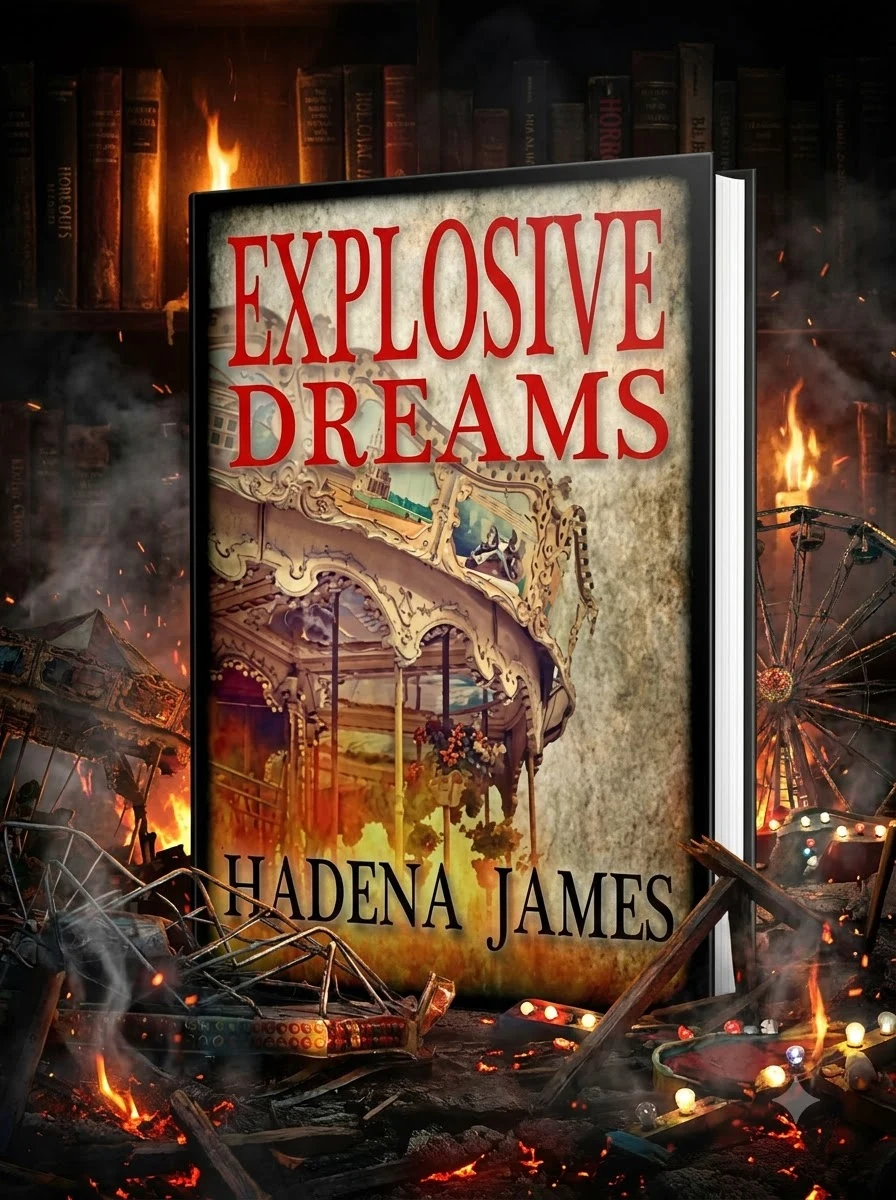
The narrative follows the Serial Crimes Tracking Unit as they investigate a series of bombings at American county fairs. The protagonist, Aislinn Cain, faces professional challenges due to her inability to relate to the bomber’s psychology. This disconnect contributes to an increasing number of casualties before the situation becomes personal when an SCTU member is killed. The story details the grim reality left behind by the explosions, including destroyed machinery and human remains. It focuses on the investigative process and the psychological strain on the team. The plot emphasizes the contrast between the festive atmosphere of the fairs and the brutal violence inflicted upon them.
The story is set in the United States, specifically within the context of county fairs. It draws on the tradition of midways with their loud music and rigged games. The narrative reflects modern procedural crime fiction traditions, focusing on law enforcement units rather than historical periods or supernatural folklore.


📝 Description: Explosive Dreams
💎 Our verdict on Explosive Dreams
📖 Why choose it
Why this book is worth reading
Readers who appreciate the intricate mechanics of criminal profiling will find this book compelling, particularly those drawn to the stark contrast between festive environments and brutal reality. The story offers a deep dive into the psychological toll of investigative work, focusing on the protagonist's struggle to connect with the killer's mindset. It is ideal for audiences seeking a tense, grounded thriller that emphasizes the grim aftermath of violence rather than supernatural elements. Those interested in the specific setting of American county fairs will appreciate how the author transforms places of delight into scenes of terror through meticulous attention to physical destruction and emotional strain.
⭐ Reader reviews
Reader rating
This title succeeds in establishing a palpable sense of dread by juxtaposing the bright, noisy atmosphere of county fairs with the grim reality of explosive violence. The narrative effectively explores the psychological gap between the profiler and the perpetrator, offering a nuanced look at the investigative process without relying on clichés. It suits readers who enjoy procedural crime fiction with a focus on psychological profiling and specific, grounded settings. The work is organized around the investigation’s progression, moving from crime scene analysis to personal vendetta, providing a steady, intense pace that appeals to fans of realistic thriller genres over supernatural horror.