
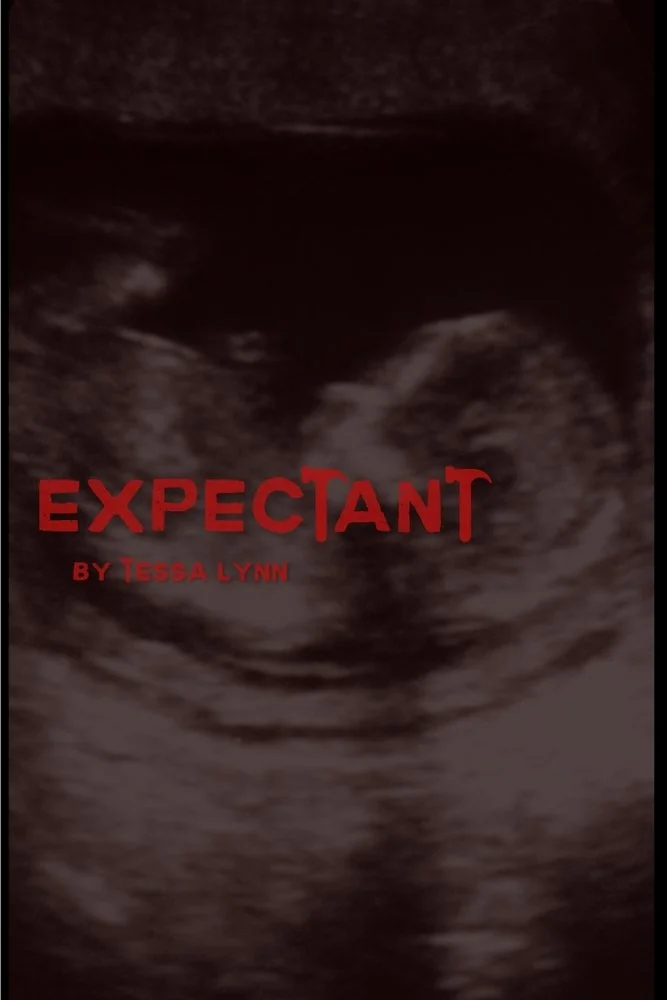
Expectant
A short story about a pregnant woman facing medical neglect under strict abortion laws.
This volume captures the terror of a pregnancy gone wrong through the lens of legal restriction. Nat and Autumn Collier’s dream of family turns into a fight for survival when Autumn falls ill. The narrative does not rely on ghosts but on the horror of ignored symptoms and bureaucratic indifference. Dr. Colter’s behavior suggests a deeper, perhaps supernatural, malice behind the medical errors. Lynn uses the specific constraint of Indiana’s ten-week ban to amplify the urgency. The story is organized as a single short piece, allowing for intense focus on the couple’s isolation. It reflects current anxieties about healthcare access and bodily autonomy. The prose remains grounded in the immediate physical decline of Autumn. This approach makes the horror feel personal and urgent rather than abstract.
Expectant sits within contemporary American horror, specifically addressing the political landscape of Indiana’s abortion restrictions. It reflects current societal debates on reproductive rights and medical advocacy for LGBTQ+ couples seeking family through IVF.


📝 Description: Expectant
💎 Our verdict on Expectant
📖 Why choose it
Why this book is worth reading
Readers seeking intense, focused narratives on reproductive rights and marital loyalty will find this volume relevant. It appeals to those interested in gothic fiction and supernatural dread who prefer tight storytelling over expansive epics. The book offers a visceral exploration of feminine rage within an LGBTQ+ context, grounded in the tangible fear of legal pressure. Those who appreciate horror that reflects current societal anxieties about healthcare access will gain from its urgent tone. It is ideal for readers who enjoy psychological tension and domestic anxiety blended with visceral threat, rather than those seeking lighthearted romance or non-fiction medical advice.
⭐ Reader reviews
Reader rating
Tessa Lynn delivers a chilling narrative in Expectant, masterfully blending domestic anxiety with visceral threat. By grounding supernatural elements in the specific setting of Indiana laws, the text creates tangible fear that feels personal and urgent. The work excels in its tight focus on the couple’s isolation and biological miracle amidst systemic failure. It suits readers interested in gothic fiction and the horror of ignored symptoms. While the scope may feel narrow to those preferring historical settings, its immediate physical decline narrative resonates deeply with contemporary concerns about bodily autonomy.
You might also like
See more →







Have a question about this item?
Ask about the edition, condition, delivery or anything else — we reply by email or phone, usually within a day.
