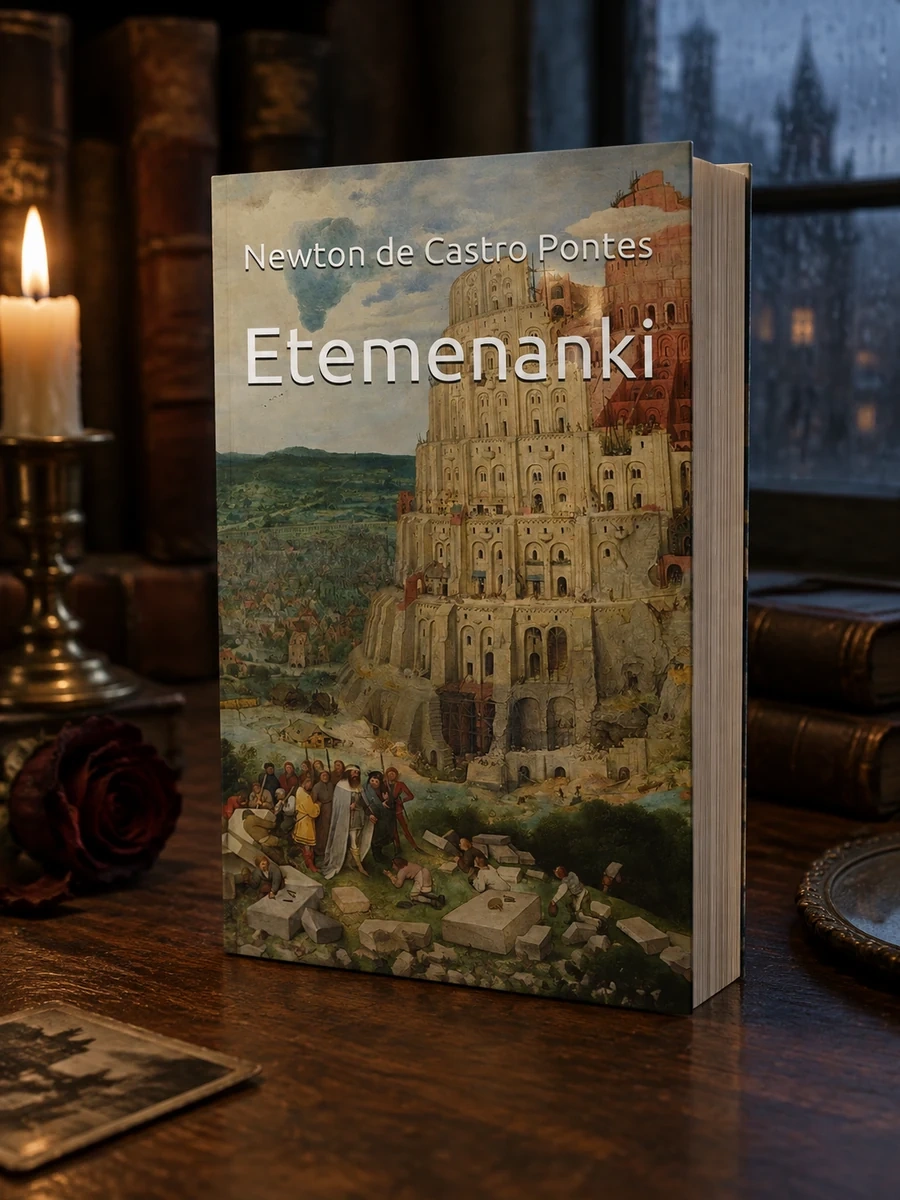
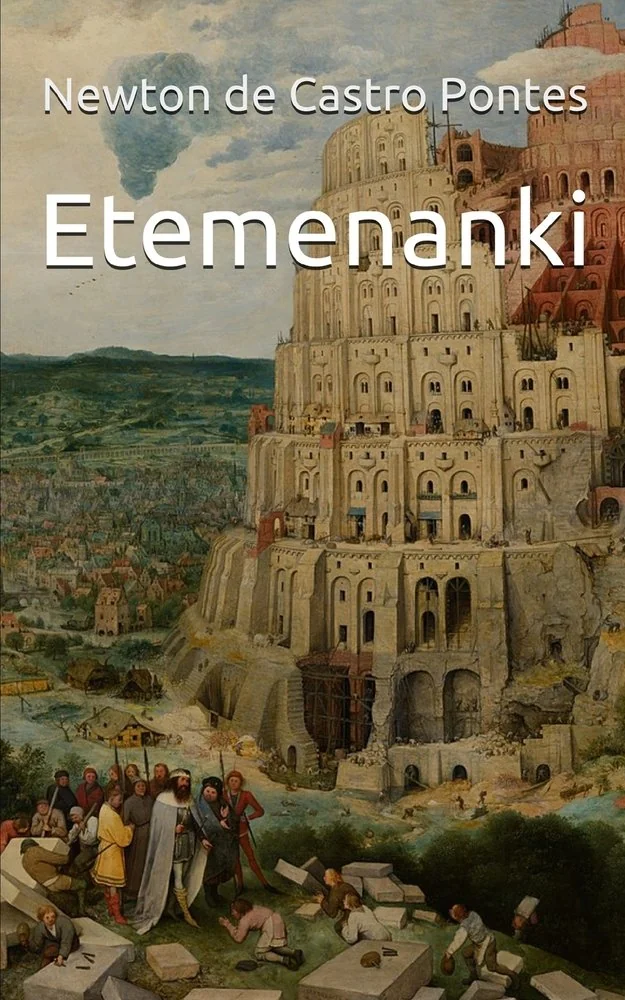
Etemenanki
Nine stories where language, books, and time become dangerous nightmares.
This collection examines the terrifying potential of written words to distort reality. Pontes uses the concept of dangerous translations and impossible writings to create a sense of unease. The blending of real and unreal authors suggests that fiction can bleed into the physical world. Readers encounter a landscape where understanding is not safe. The nine tales work together to show how language can become a trap. Time loses its linear progression, becoming another element of fear. The book does not offer escape but immersion in a linguistic nightmare.
Published in 2020 by Newton de Castro Pontes, this work emerges from a tradition of literary horror that focuses on the supernatural power of text. It draws on gothic and surreal traditions where language itself is the source of dread, reflecting a modern anxiety about communication and reality.


📝 Description: Etemenanki
💎 Our verdict on Etemenanki
📖 Why choose it
Why this book is worth reading
Readers who crave psychological horror and metafictional narratives will find deep satisfaction in this collection. It offers a unique immersion into a linguistic nightmare where the act of reading itself becomes perilous. Those interested in the terrifying potential of written words to distort reality and unravel time will appreciate Pontes' intricate exploration of linguistic instability. The book appeals to those who enjoy dense, interconnected webs of dread rather than straightforward plot-driven adventures. It is ideal for individuals seeking an unsettling ambiguity where fiction bleeds into the physical world, providing a challenging but rewarding experience for attentive readers willing to navigate the failure of communication.
⭐ Reader reviews
Reader rating
Pontes constructs a terrifying universe where books and time become sources of terror, relying on comprehension rather than gore. The collection excels in blending real and unreal authors, creating a chaotic profusion that threatens reality's fabric. This approach effectively generates unease through dangerous translations and impossible writings. It suits readers who enjoy psychological horror and metafictional narratives. The absence of clear boundaries adds unsettling ambiguity. However, it may not suit those seeking straightforward plot-driven adventures or clear resolutions. The work operates as a dense web of interconnected fears, deriving dread from linguistic instability. For those willing to immerse themselves in this landscape where understanding is unsafe, the experience is profound and deeply unsettling.
You might also like
See more →







Have a question about this item?
Ask about the edition, condition, delivery or anything else — we reply by email or phone, usually within a day.
