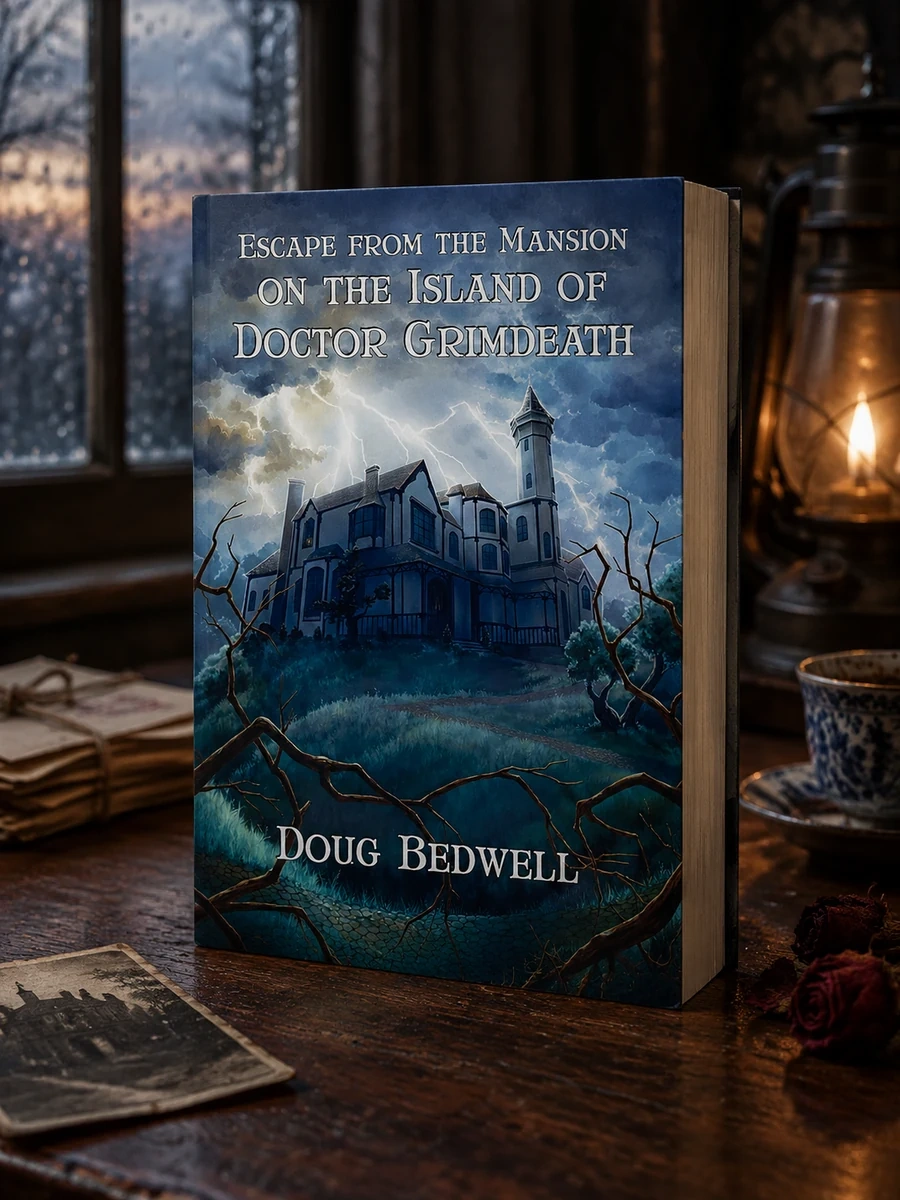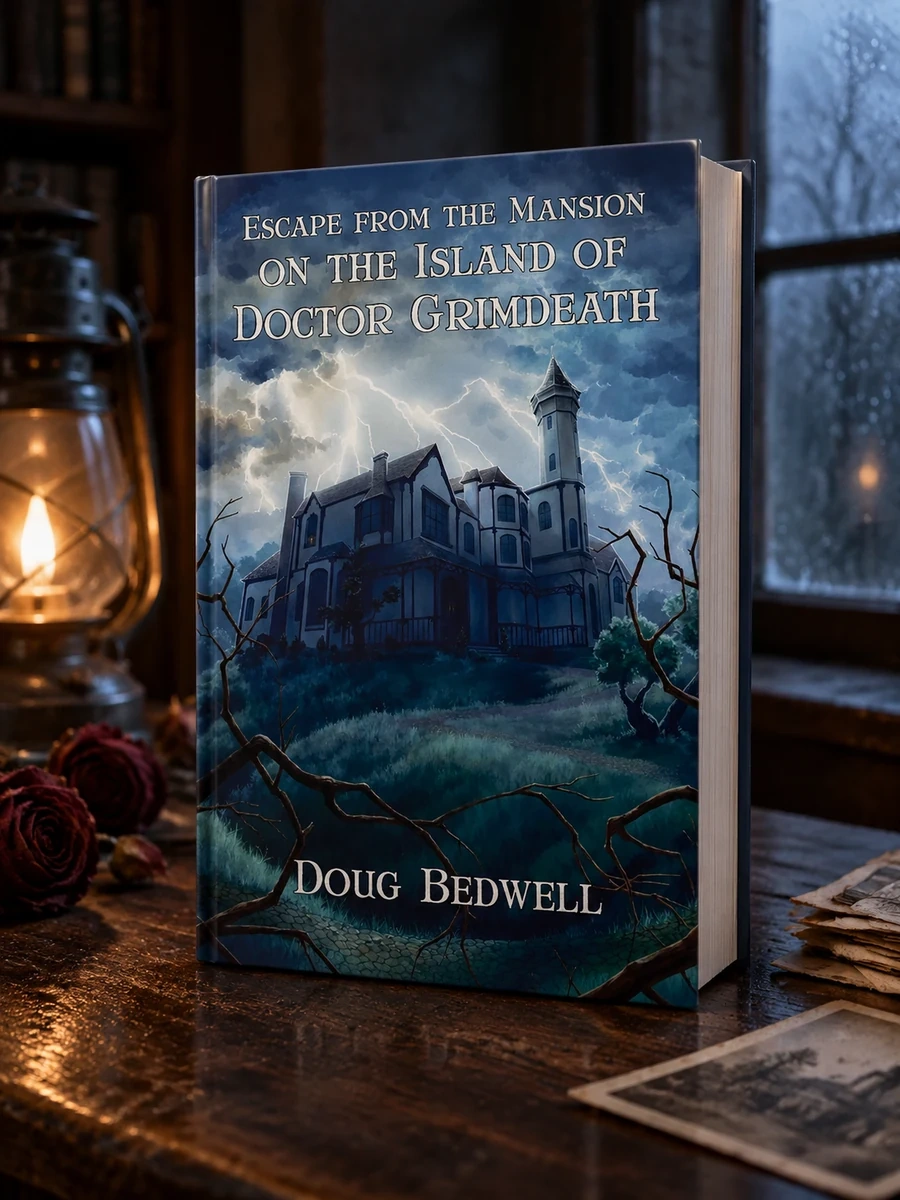
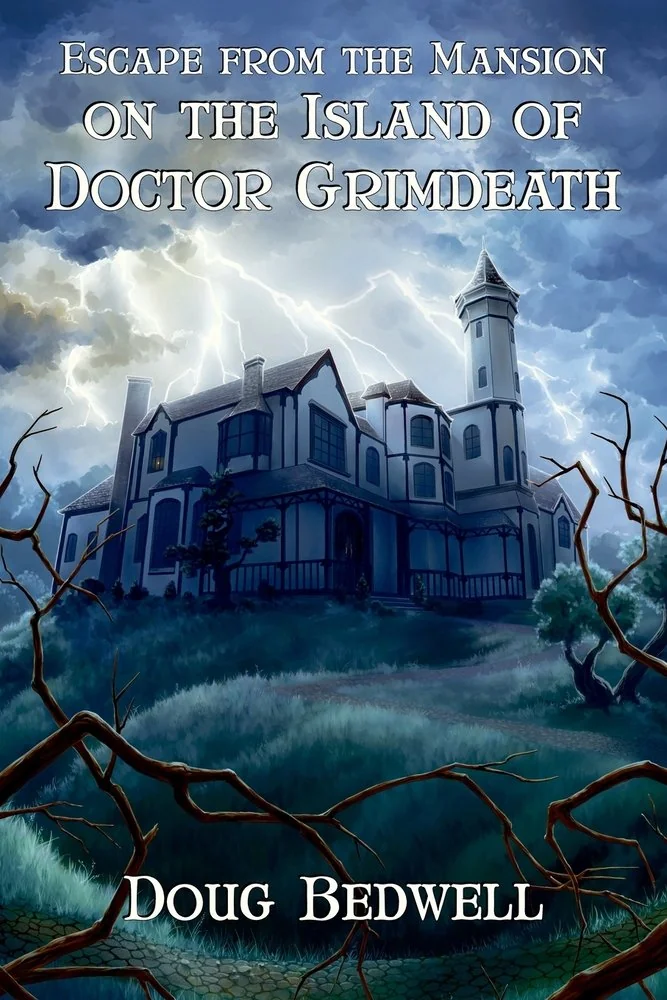
Escape from the Mansion on the Island of Doctor Grimdeath
A seminar on horror theory turns deadly when students must survive the night.
This novel examines the intersection of academic study and real-world terror. Students face a literal exam where survival is the only passing grade. The narrative critiques the distance between observing horror and experiencing it. Bedwell uses the island setting to isolate characters from external help, heightening the stakes of their theoretical knowledge. The plot relies on the irony that understanding horror does not prevent it.
Published in 2020 by Space Bear Press, this work sits within contemporary American horror fiction. It engages with modern academic critiques of popular culture while utilizing classic gothic island tropes to explore the nature of fear in a structured educational context.


📝 Description: Escape from the Mansion on the Island of Doctor Grimdeath
💎 Our verdict on Escape from the Mansion on the Island of Doctor Grimdeath
📖 Why choose it
Why this book is worth reading
Readers who enjoy intellectual horror will find this title particularly engaging, as it critiques the distance between observing fear and experiencing it. The book appeals to those interested in meta-fictional narratives where studying horror becomes the source of terror itself. It is ideal for fans of gothic traditions who appreciate a setting that isolates characters from external help, heightening stakes through psychological pressure rather than just physical threats. Those who enjoy watching theoretical knowledge clash with immediate danger will appreciate the irony that understanding horror does not prevent it. This work offers a unique examination of academic study intersecting with real-world terror, making it a compelling choice for readers seeking a narrative that challenges both their intellect and their nerves without relying on predictable survival outcomes.
⭐ Reader reviews
Reader rating
Bedwell effectively structures his plot around the clash between intellectual study and visceral terror, creating a tense atmosphere where theoretical knowledge proves useless against immediate danger. The island setting serves as a perfect crucible, isolating characters and forcing them to confront the physical reality of their academic subjects. While it may not suit readers seeking purely historical analysis, it excels as a meta-fictional horror piece that critiques the very act of studying fear. The narrative successfully places academic theory into immediate physical danger, appealing to those who enjoy gothic traditions and supernatural fiction tropes. It is best suited for audiences who appreciate stories where the seminar room becomes a battlefield, offering a fresh take on survival horror by making understanding the genre part of the peril.