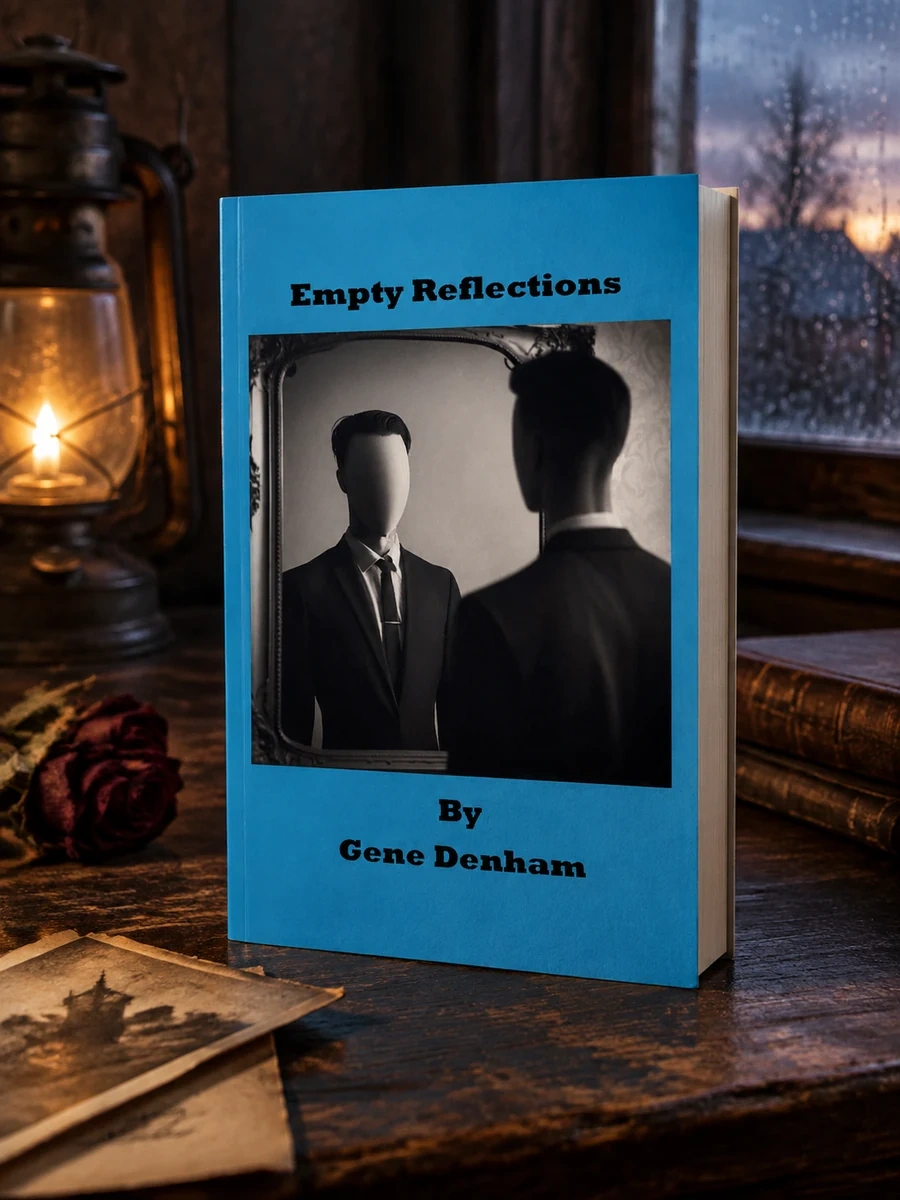
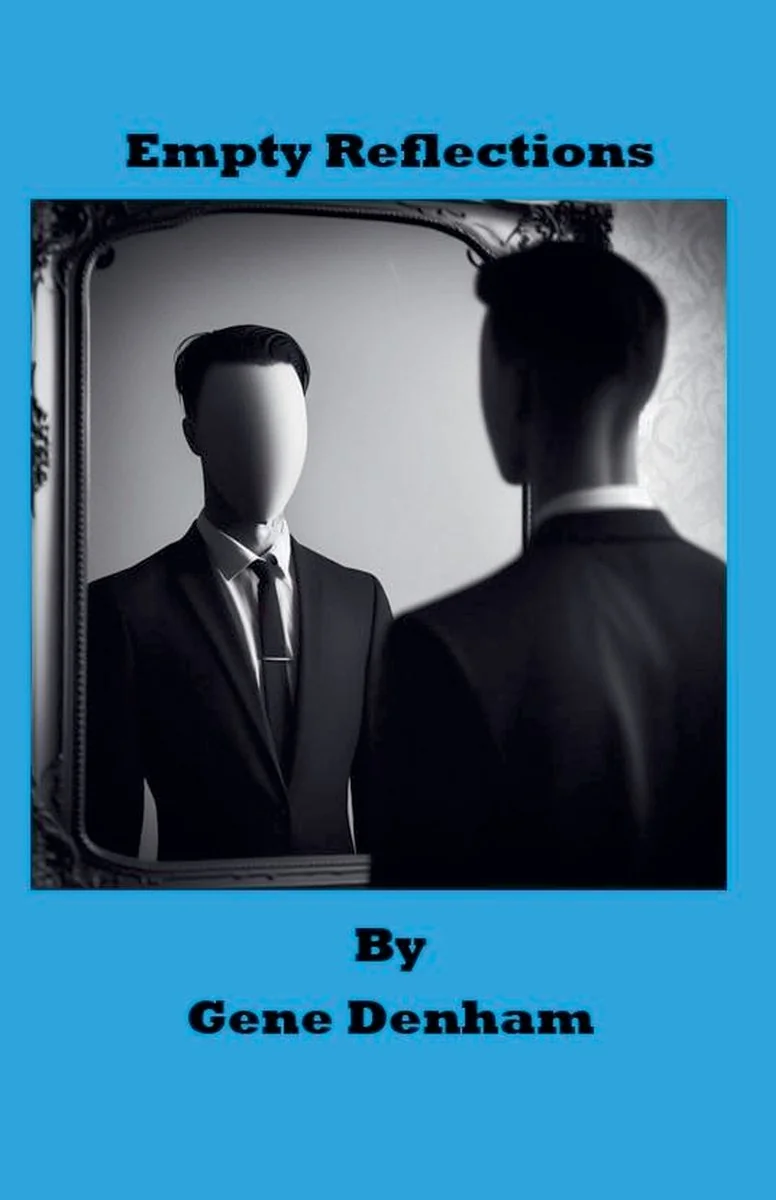
Empty Reflections
A collection of horror stories and poems about mirrors and hidden truths.
Denham uses the metaphor of reflections to explore the fragility of reality. The book examines how grief and desperation open doors to the supernatural. Characters face consequences for their choices in worlds where the past refuses to stay buried. The inclusion of poetry adds a lyrical quality to the horror. This approach differentiates the work from standard genre collections. It focuses on internal psychological states as much as external threats. The stories do not rely on gore but on creeping dread and mystery. Readers engage with characters who discover unexpected truths about themselves. The structure allows for diverse perspectives on similar themes. Denham’s background in writing supports this cohesive yet varied approach.
Published in 2024 by Gene Denham, this work sits within the contemporary American horror tradition. It draws on gothic elements of the past while addressing modern anxieties about identity and truth. The book reflects current trends in supernatural fiction that blend mystery with personal drama.


📝 Description: Empty Reflections
💎 Our verdict on Empty Reflections
📖 Why choose it
Why this book is worth reading
Readers who appreciate horror that prioritizes psychological depth and atmospheric dread over gore will find this collection deeply rewarding. Gene Denham offers a unique blend of short fiction and poetry, creating a cohesive yet varied exploration of grief, identity, and the supernatural. The metaphorical use of mirrors serves as a powerful lens for examining hidden truths and the fragility of reality. This volume is ideal for those seeking concise, impactful narratives that delve into cosmic dread and personal loss. It appeals to audiences who enjoy dark twists and suspense without relying on traditional jump scares. The lyrical quality adds emotional resonance, making it suitable for readers who value literary merit within the horror genre.
⭐ Reader reviews
Reader rating
Denham crafts a compelling anthology where mirrors act as gateways to both self-discovery and cosmic terror. By intertwining poetry with prose, the author achieves a rhythmic pacing that enhances the creeping dread inherent in each tale. The focus on internal psychological states distinguishes this work from standard genre collections, offering a nuanced look at how desperation opens doors to the unknown. Characters confront unexplainable forces with consequences that linger long after the final page. The collection succeeds in balancing personal loss with broader existential threats, creating a unified thematic experience. It is best suited for readers who enjoy literary horror and are comfortable with ambiguous, unsettling endings that challenge their perception of reality.