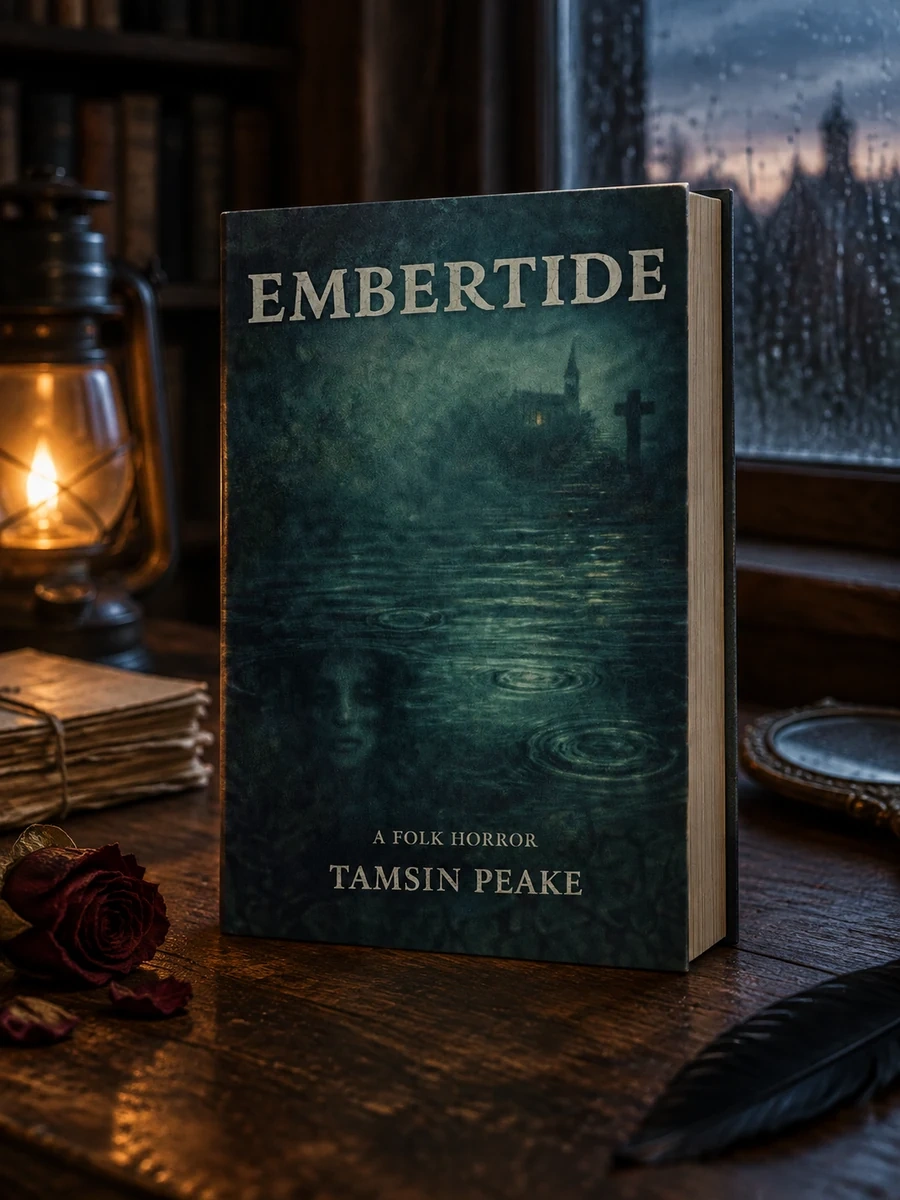
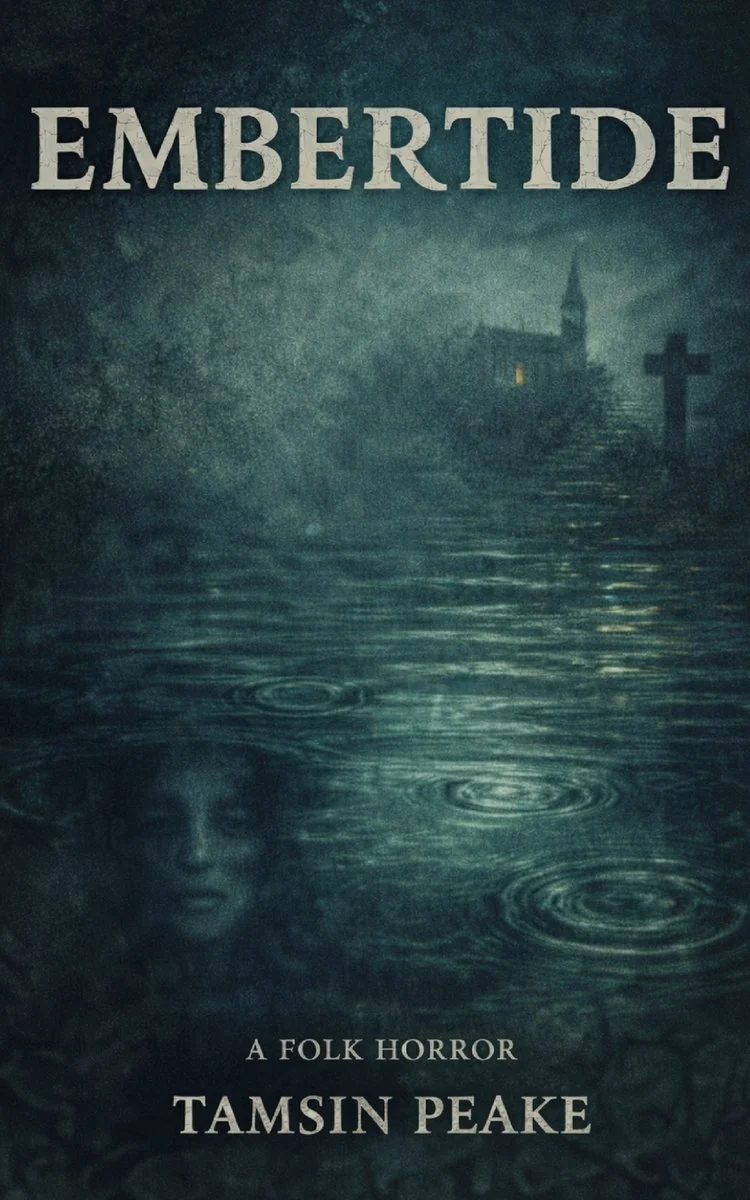
Embertide
A woman inherits a house in Aylesbury and transforms into something ancient.
Sarah Wickham moves to Bourbon Street after losing everything in London. She finds notebooks recording seven-year cycles of disappearance for thirteen families. These records link to an entity living in the water beneath the town since before St. Mary's Church existed. The entity requires acknowledgement, not worship. Every Michaelmas ember day, a keeper provides what is owed. Sarah rejects this duty. She offers an alternative to the spring. The result is physical change. Her body alters slowly and exactly. She becomes part of the dark history she inherited. The text avoids violence in favor of intimate transformation. It explores isolation and the weight of ancestral duty through Sarah’s gradual loss of humanity.
The novella is set in medieval Aylesbury, Buckinghamshire, where ancient contracts endure beneath modern tarmac. It draws on Michaelmas ember days and the history of St. Mary's Church. The story references thirteen families from the Old Town and their seven-year cycles of sacrifice.


📝 Description: Embertide
💎 Our verdict on Embertide
📖 Why choose it
Why this book is worth reading
Readers who appreciate atmospheric dread over jump scares will find profound value in this narrative. It offers a unique perspective on isolation and the weight of inherited duty, focusing on intimate decay rather than external threats. The story appeals to those interested in folk horror and psychological unraveling, providing a slow-burn experience where the horror lies in the dissolution of self. Those who enjoy precise, detached prose and nuanced character studies will appreciate the exploration of humanity's fragility against ancient, indifferent forces. It is ideal for audiences seeking a literary approach to cosmic horror that prioritizes mood and transformation over action.
⭐ Reader reviews
Reader rating
Peake crafts a chilling portrait of gradual loss of humanity through precise detachment. The narrative avoids traditional violence, instead focusing on the intimate horror of physical alteration as Sarah becomes part of the dark history she inherited. This approach creates a lingering sense of unease that lingers long after reading. The book suits readers who enjoy atmospheric dread and psychological unraveling, offering a sophisticated look at ancestral duty. It does not suit those seeking action or clear resolutions. Instead, it provides a compelling examination of identity and isolation, making it a standout for fans of literary horror and gothic fiction who value mood and texture over plot speed.