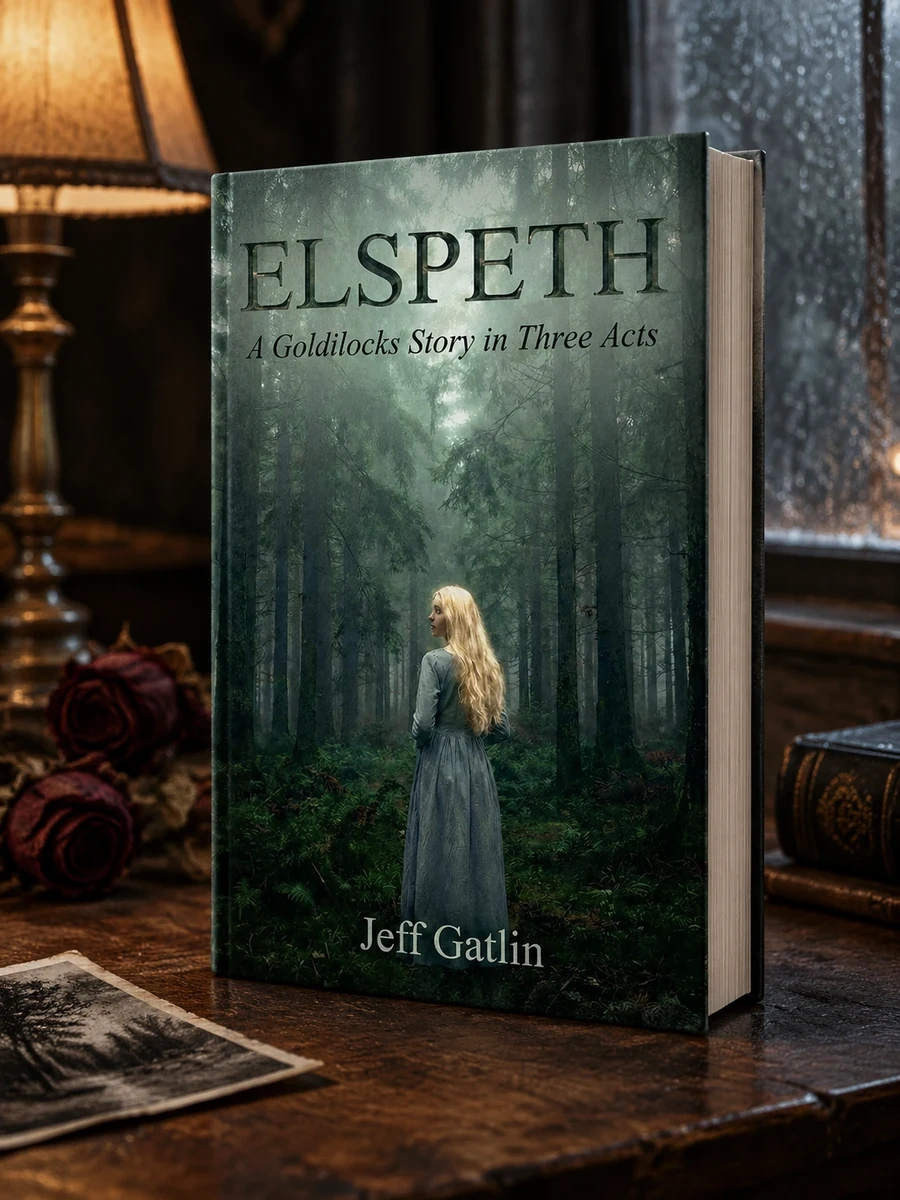
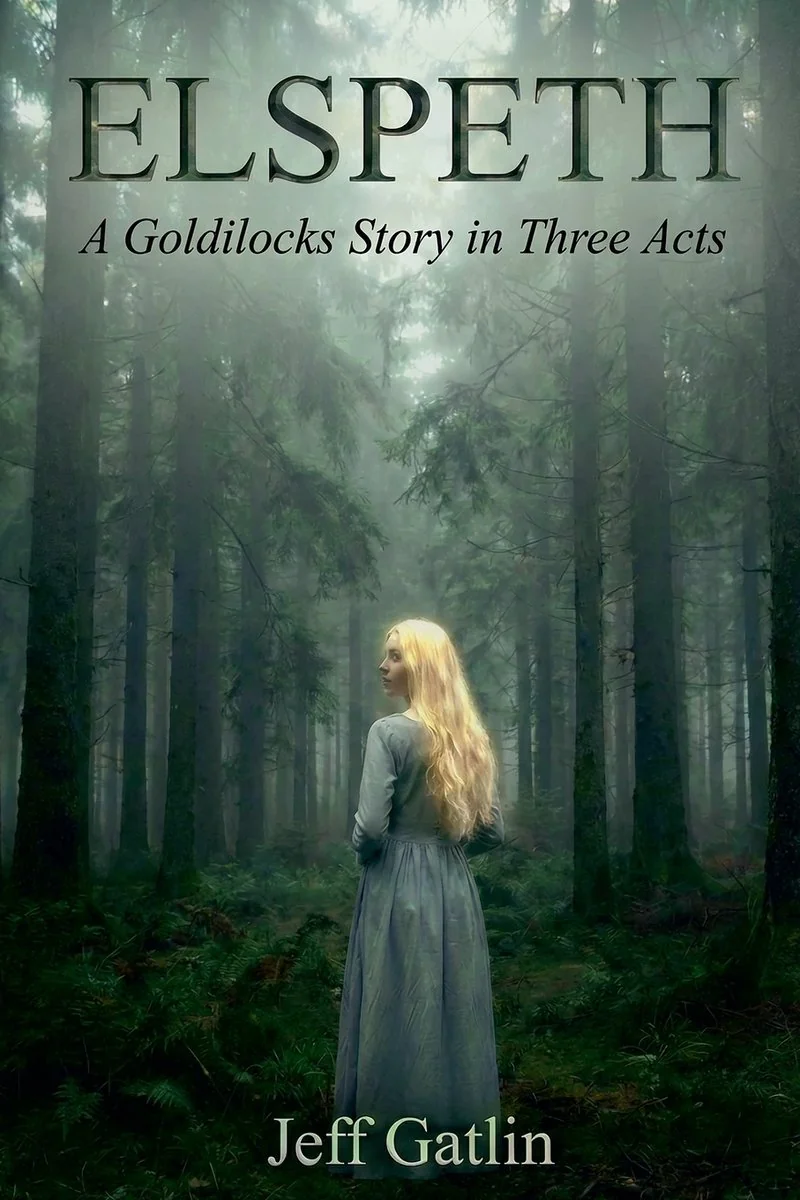
Elspeth: A Goldilocks Story in Three Acts
A horror novella tracking one girl across three generations in real locations.
Jeff Gatlin writes about a family haunted by an uninvited guest who appears in every era. The structure divides the narrative into three distinct time periods. Bavaria in 1830 provides the initial setting for the intrusion. The Mississippi Delta in 1931 offers a different cultural backdrop for the same event. Binghamton, Memphis, in 2010 concludes the cycle. Gatlin uses archival materials like deed books and church records to build his atmosphere. He focuses on the gaps in official documents where trauma hides. The book examines how history is recorded and what remains silent.
The novella sits within American gothic horror, specifically drawing on the real geography of Memphis and the Mississippi Delta. It engages with historical research found in courthouse deed books and church records from 1830 to 2010.


📝 Description: Elspeth: A Goldilocks Story in Three Acts
💎 Our verdict on Elspeth: A Goldilocks Story in Three Acts
📖 Why choose it
Why this book is worth reading
Readers interested in literary horror rooted in documented history will find value in this unique structural approach. The novella appeals to those who appreciate stories about generational trauma and supernatural persistence rather than fast-paced action. Gatlin’s focus on the silences within official documents offers a fresh perspective on how history is recorded and what remains unwritten. It suits audiences seeking quiet, accumulating dread over traditional fairy tale retellings. By grounding the narrative in real geography and historical research, it provides an immersive experience for fans of gothic fiction that examines the gaps where trauma hides.
⭐ Reader reviews
Reader rating
Gatlin crafts a compelling atmospheric study by dividing his narrative across three distinct eras: Bavaria in 1830, the Mississippi Delta in 1931, and Memphis in 2010. The strength lies in his use of archival materials like deed books to reveal community silences. This method creates a sense of authentic dread that builds slowly rather than through sudden shocks. It is best suited for readers who enjoy gothic fiction rooted in documented history and psychological horror. Those seeking traditional fast-paced action may find the pace too deliberate. However, fans of literary horror exploring generational trauma will appreciate the meticulous attention to real locations and the exploration of what remains silent in official records.
You might also like
See more →







Have a question about this item?
Ask about the edition, condition, delivery or anything else — we reply by email or phone, usually within a day.
