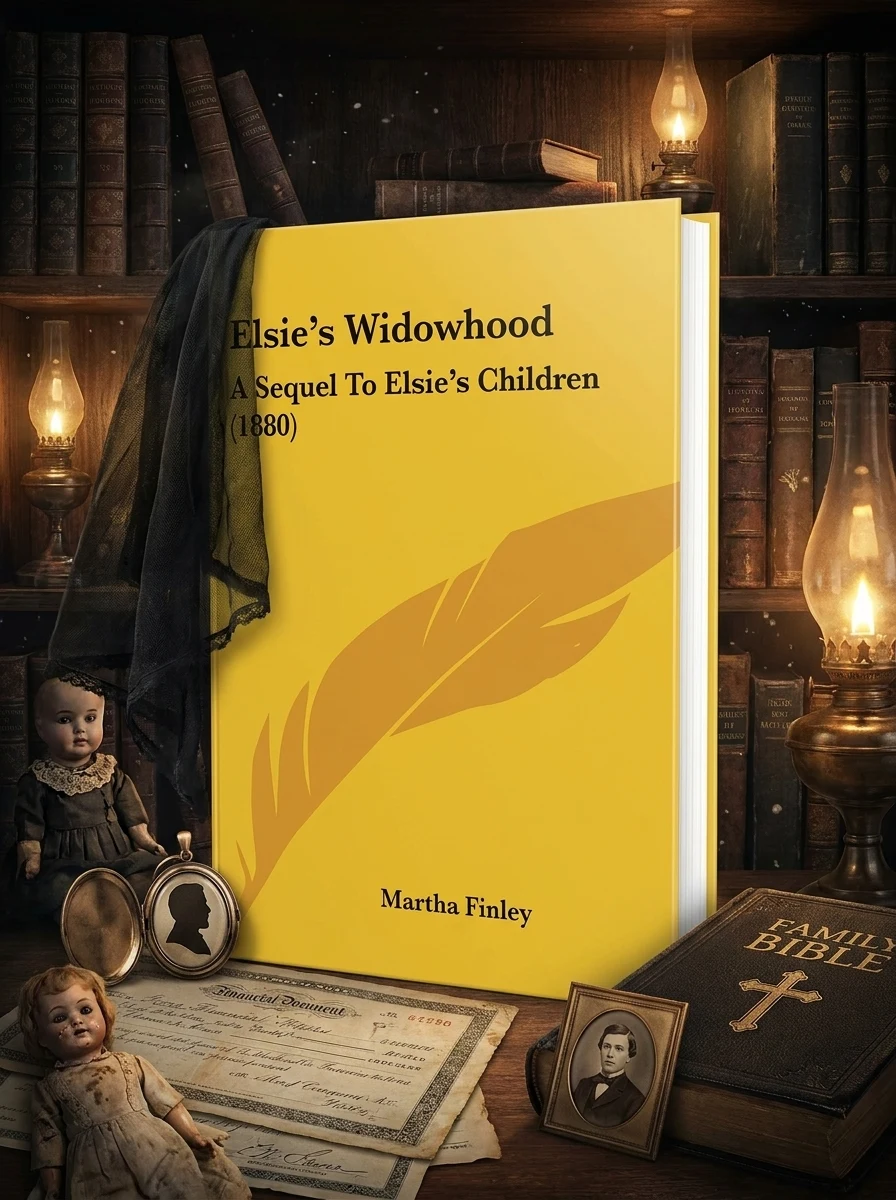
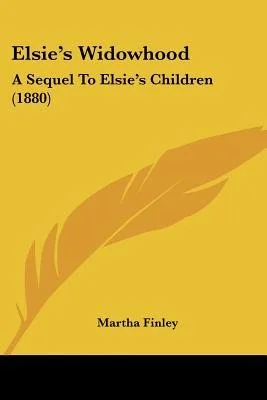
Elsie's Widowhood: A Sequel To Elsie's Children (1880)
A 1880 sequel following a young widow raising her children alone.
This narrative centers on Elsie, who confronts financial difficulties and family conflicts after becoming a widow. The plot advances through her interactions with her children and the surprising return of her late husband's brother. Finley uses these events to examine themes of loss, love, and resilience. The text offers a direct look at how women managed their lives in the late 19th century. It maintains a heartwarming tone while addressing the harsh realities of economic instability and social expectation. The story does not shy away from the challenges of finding love again after grief.
Published in 1880, this work reflects late nineteenth-century American domestic fiction. It captures the social expectations placed on women managing households alone during that period.


📝 Description: Elsie's Widowhood: A Sequel To Elsie's Children (1880)
💎 Our verdict on Elsie's Widowhood: A Sequel To Elsie's Children (1880)
📖 Why choose it
Why this book is worth reading
This book serves as a valuable historical document for readers interested in the lived experiences of Victorian women, particularly those examining the intersections of grief, financial survival, and social expectation. While it lacks conventional horror tropes, its exploration of psychological strain and familial conflict offers a unique perspective on domestic life in the 1800s. It is essential for scholars or enthusiasts seeking primary sources on widowhood and religious faith during this era. The narrative provides insight into how women managed independence and family commitment amidst economic hardship, offering a window into a past where social stability was fragile. It appeals to those who appreciate historical accuracy and the quiet strength found in everyday struggles rather than sensationalism.
⭐ Reader reviews
Reader rating
Finley’s narrative offers a steadfast examination of character integrity under pressure, focusing on Elsie’s unwavering faith and familial duty. The text succeeds in portraying the harsh realities of economic instability without resorting to melodrama, maintaining a heartwarming yet realistic tone. It is best suited for readers interested in late nineteenth-century domestic fiction or those seeking to understand historical perspectives on widowhood and resilience. While it may not appeal to modern horror enthusiasts expecting psychological terror or supernatural elements, it stands as a compelling study of human endurance. The facsimile format preserves the original voice, making it an authentic artifact for literary historians and fans of classic moral tales who value depth over plot twists.