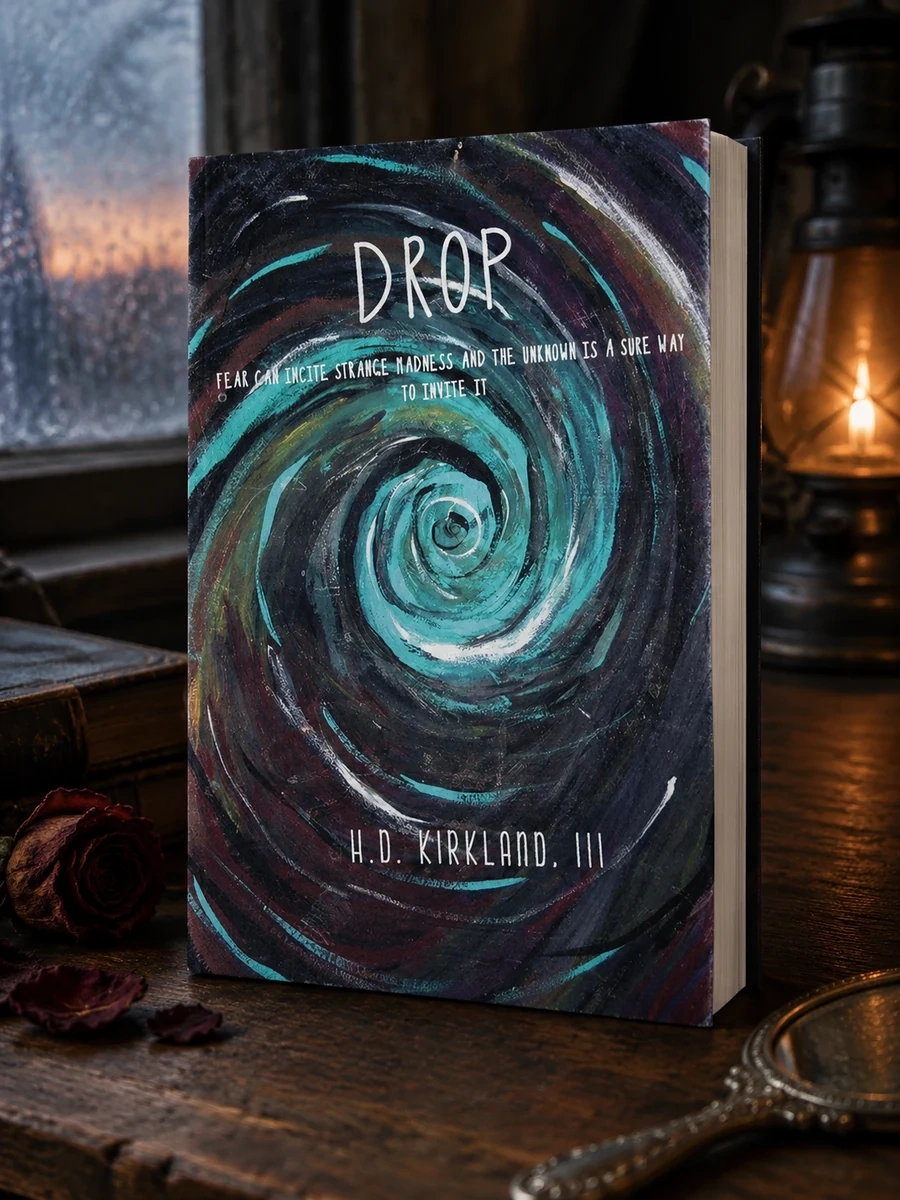
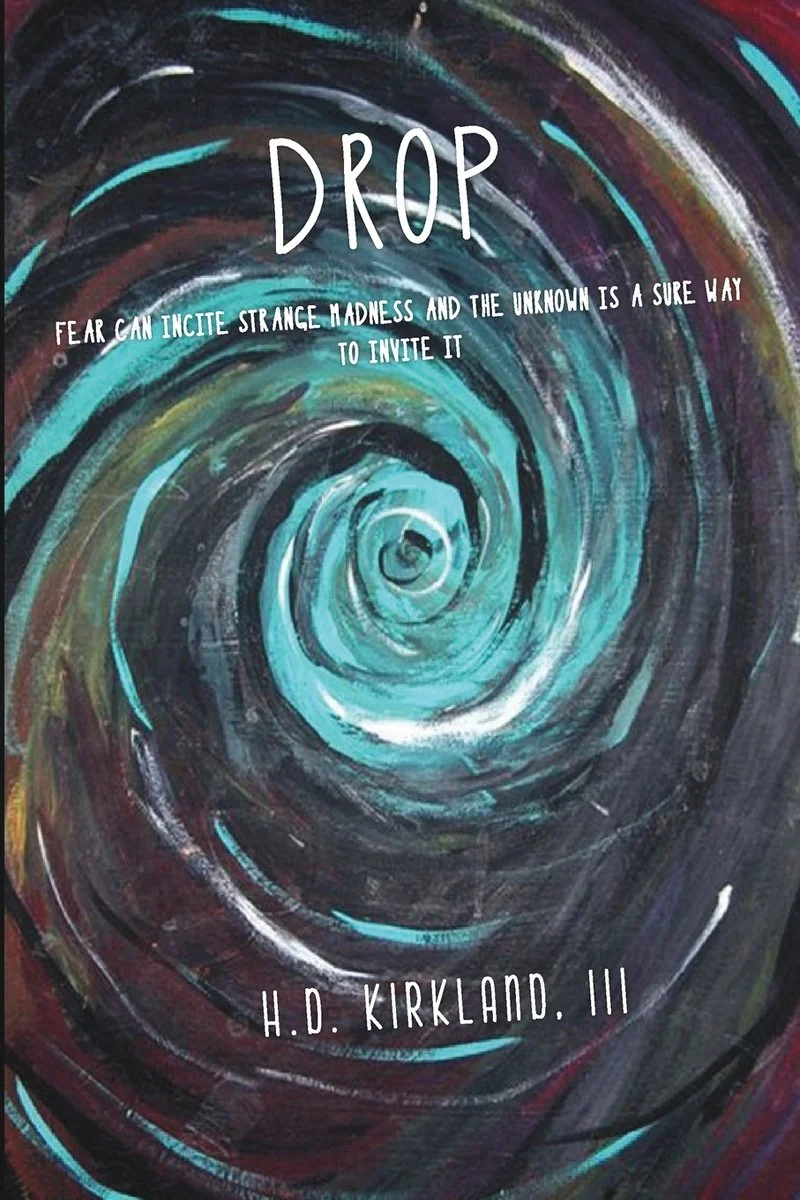
Drop
A slow-building psychological horror novel focusing on mental instability.
This volume explores how fear emerges from internal breakdowns rather than external threats. The narrative structure supports a lingering sense of unease by withholding conventional scares. Instead, it relies on the gradual unraveling of the protagonist's grasp on reality. The author uses isolation as a primary tool to deepen the reader's engagement with the character's deteriorating mental state. This method creates a heavy, oppressive mood that defines the reading experience. The work stands apart from genre standards by rejecting quick jumps or gore in favor of sustained psychological pressure.
Published by Night Rider Press in 2018, this paperback joins the tradition of psychological horror. It draws on genre conventions that prioritize atmosphere and mental instability over action. The work reflects a period where readers sought fiction that lingered in the mind through slow tension builds.


📝 Description: Drop
💎 Our verdict on Drop
📖 Why choose it
Why this book is worth reading
Readers who prioritize mood and sustained psychological pressure over fast-paced action will find this book deeply rewarding. It offers a stark look at darker corners of the mind without relying on clichés, gore, or cheap shocks. The deliberate pace allows isolation to breathe, creating a heavy, oppressive mood that lingers long after reading. Fans of narratives that blur the line between reality and delusion through subtle erosion of sanity will appreciate this approach. It is ideal for those seeking fiction that examines mental states with depth and tension rather than providing clear resolutions or high-octane events.
⭐ Reader reviews
Reader rating
This novel excels in cultivating pervasive dread through isolation and gradual unraveling, avoiding sensationalism to deepen engagement. It suits readers who enjoy atmospheric pressure and the slow build of terror from within. The narrative structure successfully withholds conventional scares, relying instead on the protagonist's deteriorating mental state to create unease. While it may disappoint those seeking quick jumps or clear answers, its strength lies in its commitment to psychological depth. The book challenges perception effectively, offering a compelling study of fractured reality for those willing to endure its oppressive tone.
You might also like
See more →







Have a question about this item?
Ask about the edition, condition, delivery or anything else — we reply by email or phone, usually within a day.
