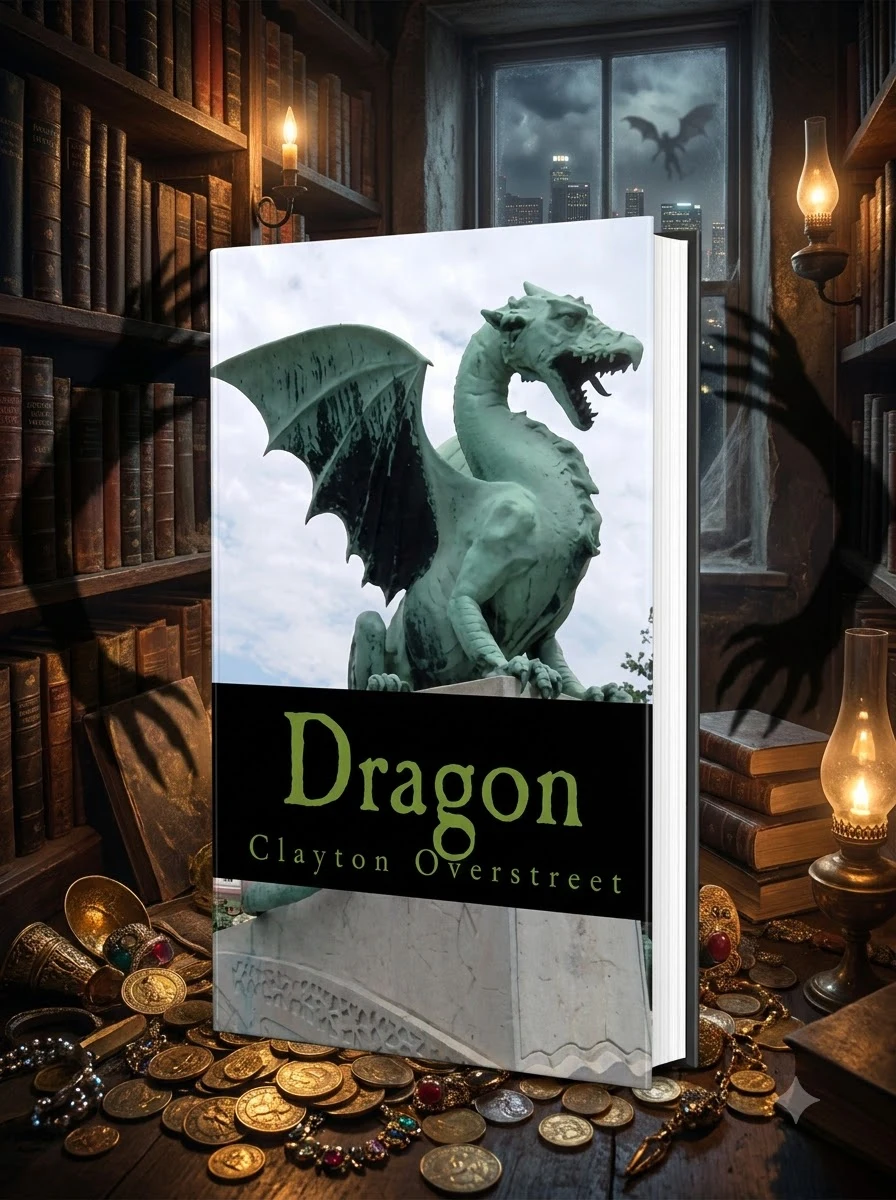
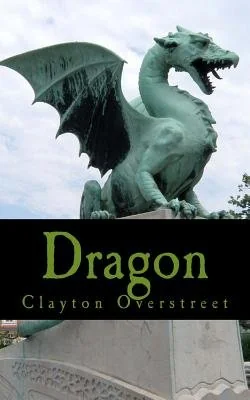
Dragon
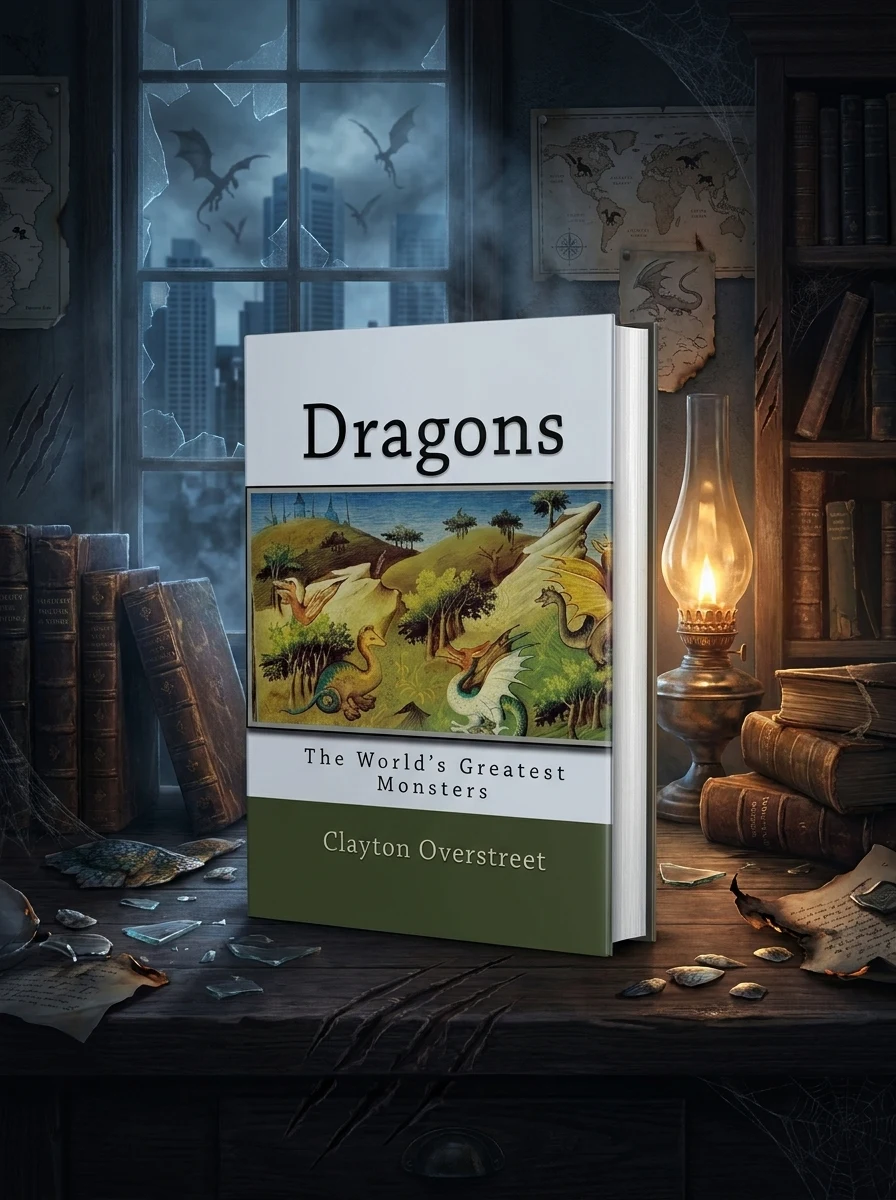
A man steals dragon gold in Los Angeles and faces an immortal beast.
The narrative follows the legacy of a stolen treasure that birthed a curse. A thief became a dragon, terrorizing the land before being slain. The gold remains, but so does the doom for those who shed blood to claim it. In modern Los Angeles, a man possesses this gold, believing his safety is secure. The curse activates, turning him into the very monster he feared. The story tracks the beast’s search for stolen pieces and the blood of those involved. It highlights the permanence of the curse and the futility of escape. The text does not offer redemption or easy solutions. It presents a stark warning about the costs of greed and the persistence of ancient evil in a modern context.
The story bridges ancient myth with contemporary urban settings. It draws on the tradition of cursed gold and beastly transformation. The narrative places these elements in Los Angeles, showing how old fears persist in new environments. This blend creates a specific atmosphere where the supernatural intrudes upon the mundane.


📝 Description: Dragon
💎 Our verdict on Dragon
📖 Why choose it
Why this book is worth reading
Readers who appreciate the permanence of ancient evil in a modern context will find this book compelling. It offers a focused exploration of greed and its physical horrors without relying on complex structures. Those interested in supernatural fiction with gothic roots will enjoy the direct progression of events. The narrative provides a stark warning about the costs of theft, appealing to fans who prefer inevitability over surprise. It is ideal for those seeking a tale where past sins manifest as present danger, highlighting the futility of escape from a cursed legacy.
⭐ Reader reviews
Reader rating
Clayton Overstreet delivers a potent retelling of dragon mythology, grounding it in the concrete reality of Los Angeles. The strength lies in its unflinching focus on consequence and transformation, avoiding redemptive arcs for a more chilling effect. By stripping away complex world-building, the author emphasizes the terror of an inescapable curse. This approach suits readers who prefer direct, atmospheric dread over academic depth. The physical horror of the protagonist's metamorphosis serves as a visceral metaphor for greed. It is a tight, effective narrative that respects the source material while adapting it to modern fears, making it a solid choice for gothic horror enthusiasts.