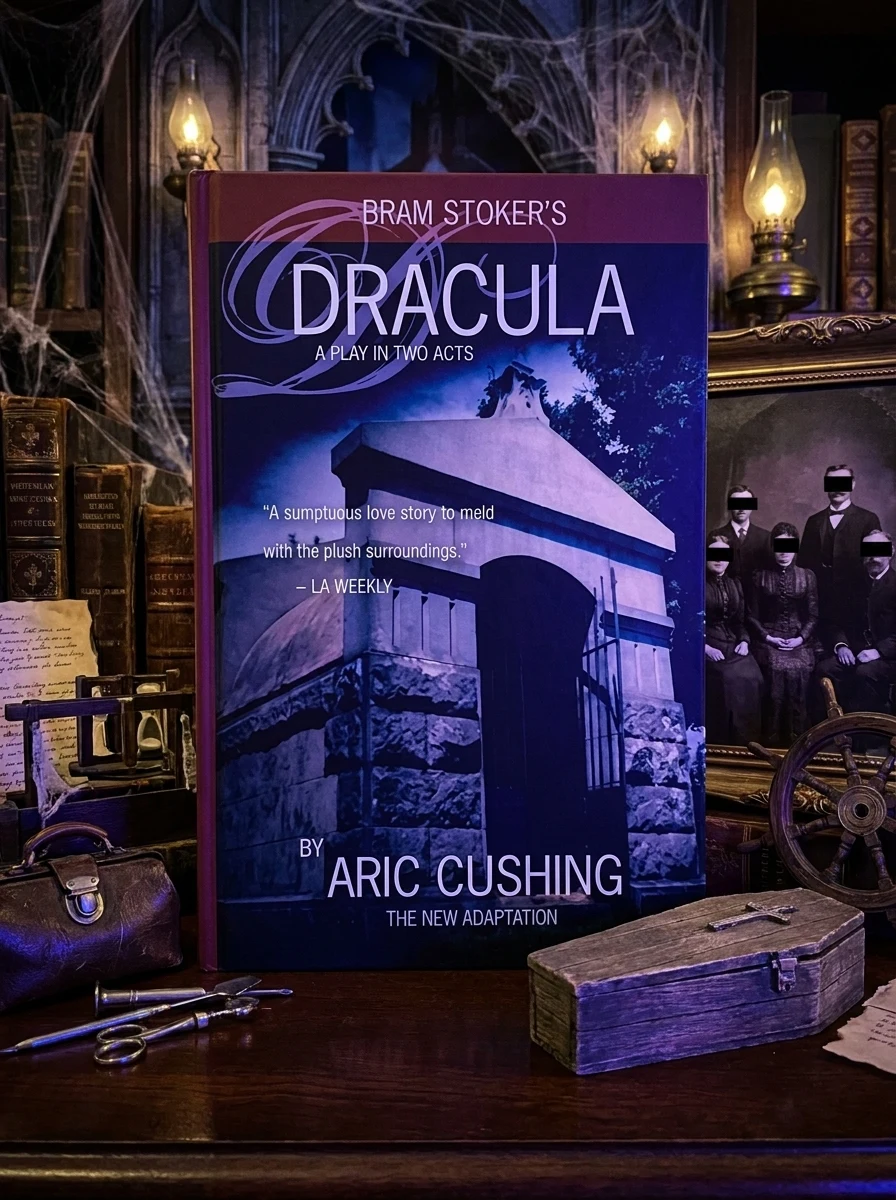
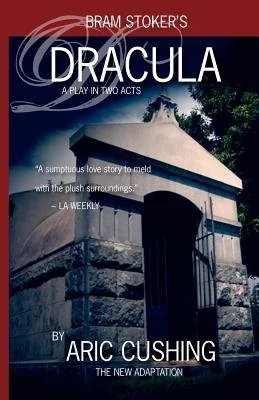
Dracula: A Play in Two Acts
A play script expanding Bram Stoker's novel with rarely seen characters.
Cushing’s adaptation focuses on inclusivity within the dramatic structure by adding significant supporting roles. Mrs. Westenra and Simmons receive attention usually reserved for the primary vampires. This approach highlights the social fabric of Stoker’s world rather than just the supernatural conflict. The script maintains the novel’s complexity, ensuring that the addition of characters like Mr. Swales does not dilute the horror but enhances it. Readers gain access to a version of the tale that values the ensemble cast over individual heroism.
Published in 2011 by Createspace Independent Publishing Platform, this work sits within the tradition of literary adaptations. It responds to the long-standing practice of dramatizing Bram Stoker’s novel while addressing gaps in traditional stage portrayals by including overlooked figures.


📝 Description: Dracula: A Play in Two Acts
💎 Our verdict on Dracula: A Play in Two Acts
📖 Why choose it
Why this book is worth reading
Readers seeking a deeper engagement with the characters surrounding Dracula will find this adaptation particularly rewarding. It is ideal for students of drama and fans interested in the structural evolution of gothic fiction who wish to see lesser-known figures brought to life on stage. The script expands the narrative by introducing roles often omitted in standard versions, such as Mrs. Westenra and Simmons, thereby highlighting the social fabric of Stoker’s world. This approach offers a multi-accented rendition that values the ensemble cast over individual heroism. Those who appreciate complex manuscripts translated into dramatic form without discarding intricate details will gain new perspectives on the source text, making it a valuable resource for understanding how classic horror translates to the stage.
⭐ Reader reviews
Reader rating
Aric Cushing’s adaptation succeeds in expanding the traditional scope of Stoker’s narrative by prioritizing inclusivity and ensemble depth. By giving significant attention to supporting roles like Mrs. Westenra and Simmons, the script illuminates the social context of the gothic world rather than focusing solely on supernatural conflict. This method enhances the horror by preserving the manuscript's complexity instead of simplifying it for theatrical convenience. The work is best suited for drama students and readers who desire a multi-accented view of the classic tale. It offers a faithful yet fresh perspective on how Stoker’s intricate details can be maintained in dramatic form, providing insight into the broader narrative fabric often overlooked in standard adaptations.