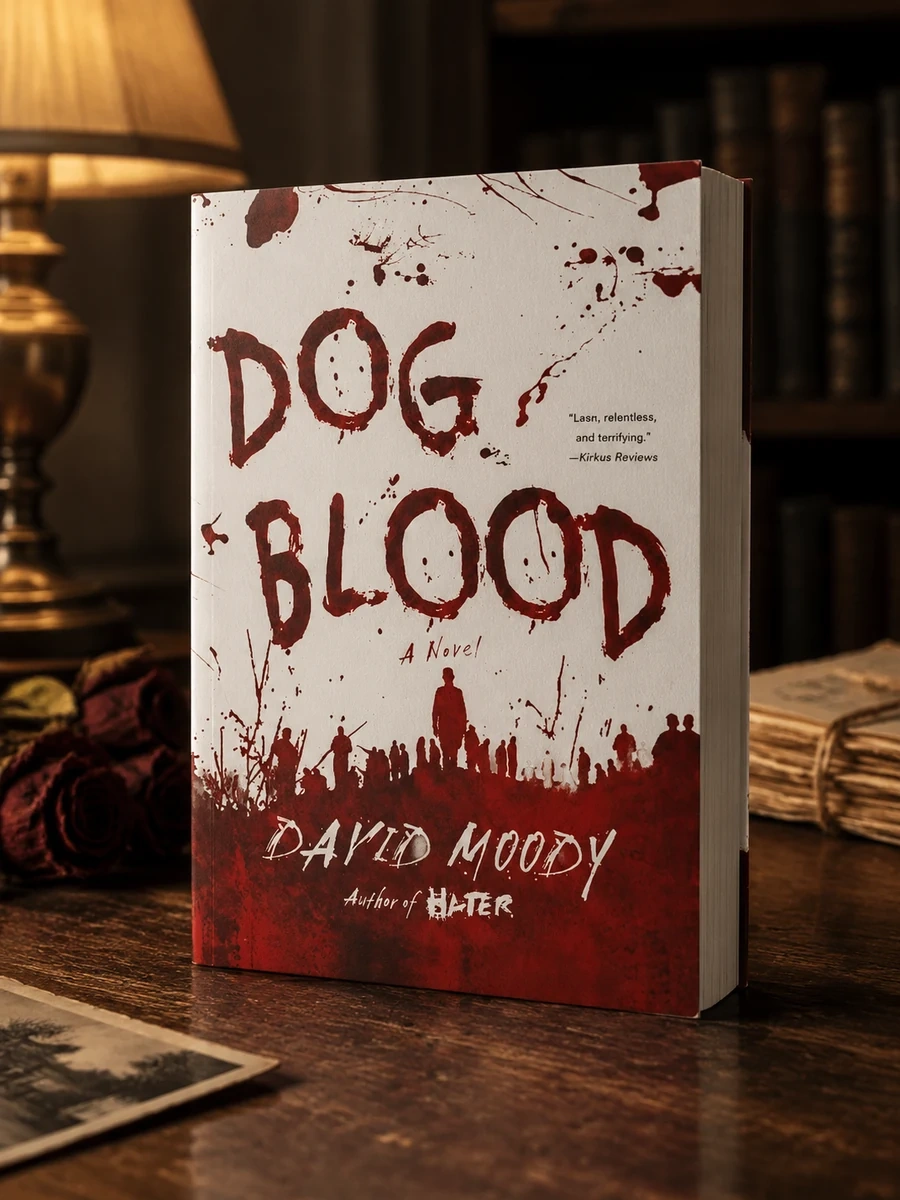

Dog Blood
Danny McCoyne hunts for his daughter in a world split between Humans and Haters.
This sequel expands the conflict established in Hater by focusing on Danny McCoyne’s personal mission. He seeks his daughter Ellis, convinced that her Hater nature binds her to him. The narrative highlights how children, pure in their hatred, may define the future of their race. Danny’s journey into human refugee camps reveals the fragility of the remaining social order. An unexpected battlefield incident disrupts his assumptions about the new world. Moody uses this plot to examine the collapse of command structures and the breakdown of relationships. The story does not offer easy answers about the source of the division, whether natural or mental. It presents a stark view of survival where allegiances are tested by instinct.
Published in 2011 by St. Martin's Griffin, this novel sits within the neo-zombie thriller genre. It follows the events of Hater and references the broader cultural moment of apocalyptic fiction seen in works like Patient Zero and Pride and Prejudice with Zombies.


📝 Description: Dog Blood
💎 Our verdict on Dog Blood
📖 Why choose it
Why this book is worth reading
Readers who appreciated the premise of Hater will find value in Dog Blood as it deepens the exploration of the Human-Hater divide. It suits those interested in psychological horror and the collapse of command structures during an apocalypse. The book offers a stark view of survival where allegiances are tested by instinct, rather than offering easy answers about the source of division. It is ideal for fans who want to see how the conflict evolves beyond simple combat, examining how relationships crumble when societal frameworks fail. Those seeking a traditional zombie narrative may find this less familiar, but it rewards readers willing to engage with its specific focus on the breakdown of humanity and the nature of hate itself.
⭐ Reader reviews
Reader rating
David Moody delivers a compelling sequel that expands the conflict established in Hater through Danny McCoyne’s personal quest for his daughter. The narrative effectively examines the collapse of command structures and the fragility of social order within human refugee camps. Moody writes with a sharp focus on psychological shifts caused by apocalyptic destruction, presenting a stark view where allegiances are tested by instinct. While it lacks easy answers regarding the division’s origin, this ambiguity enhances the tension. The book is best suited for readers who enjoyed the original premise and desire a deeper exploration of the Human-Hater dynamic. It succeeds in illustrating how relationships crumble when societal frameworks fail, offering a thought-provoking look at survival and identity in a fractured world.
📖 Read on the blog
📖 From the series “Hater”




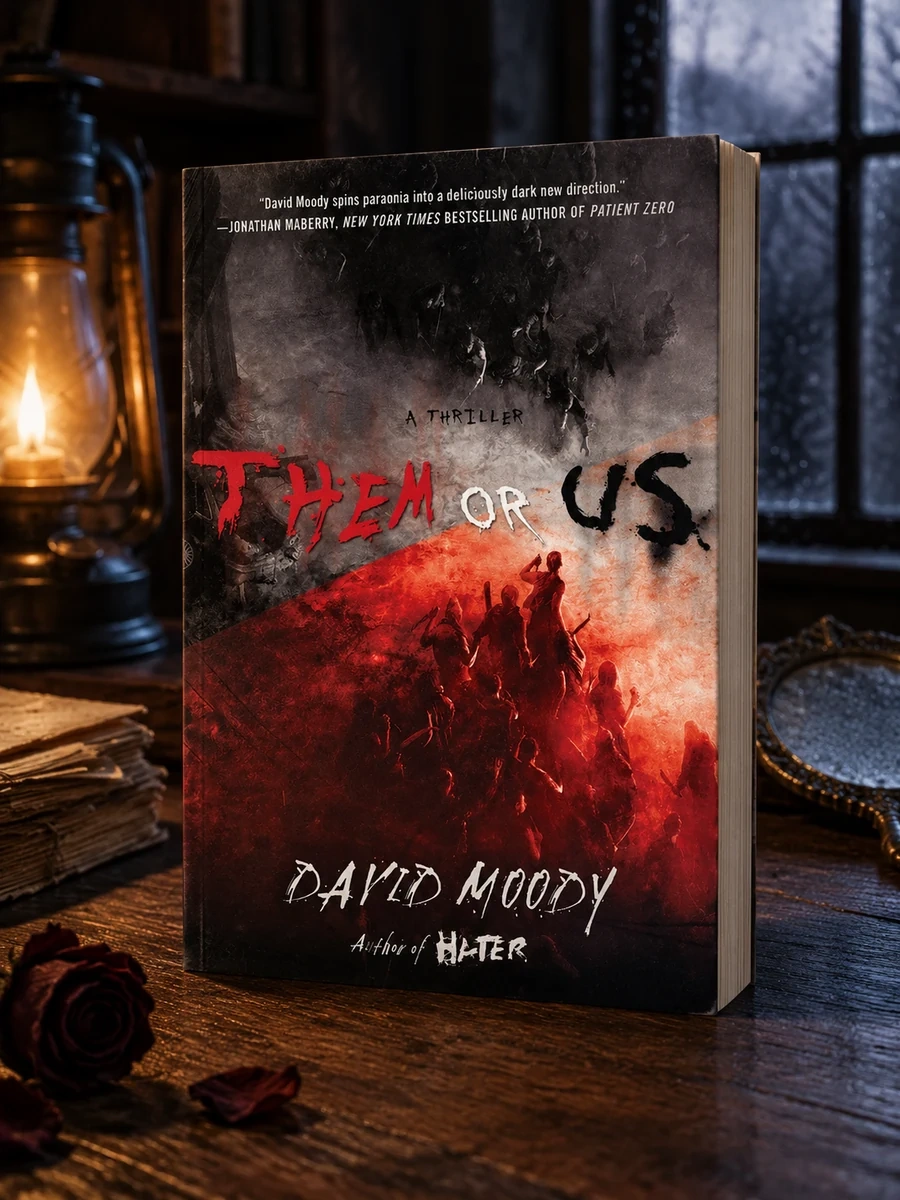
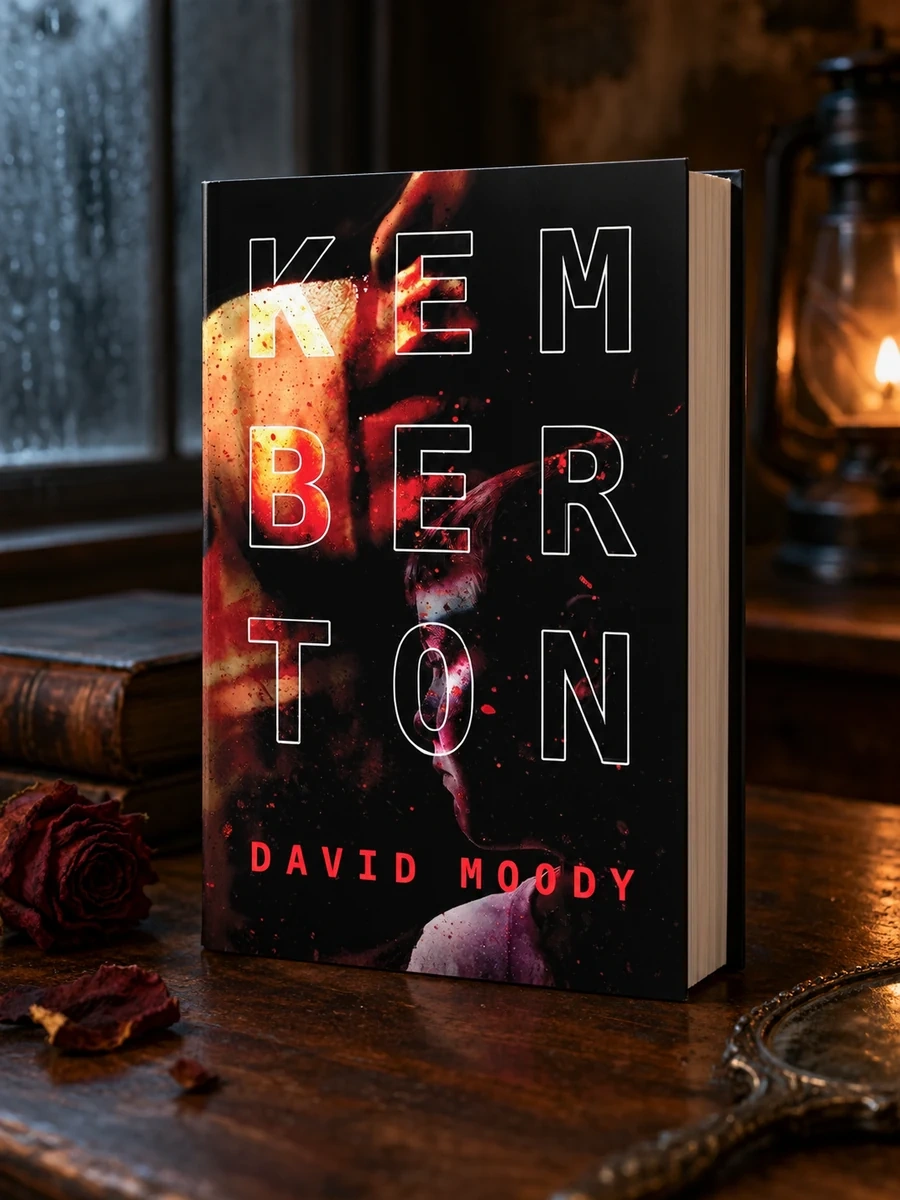
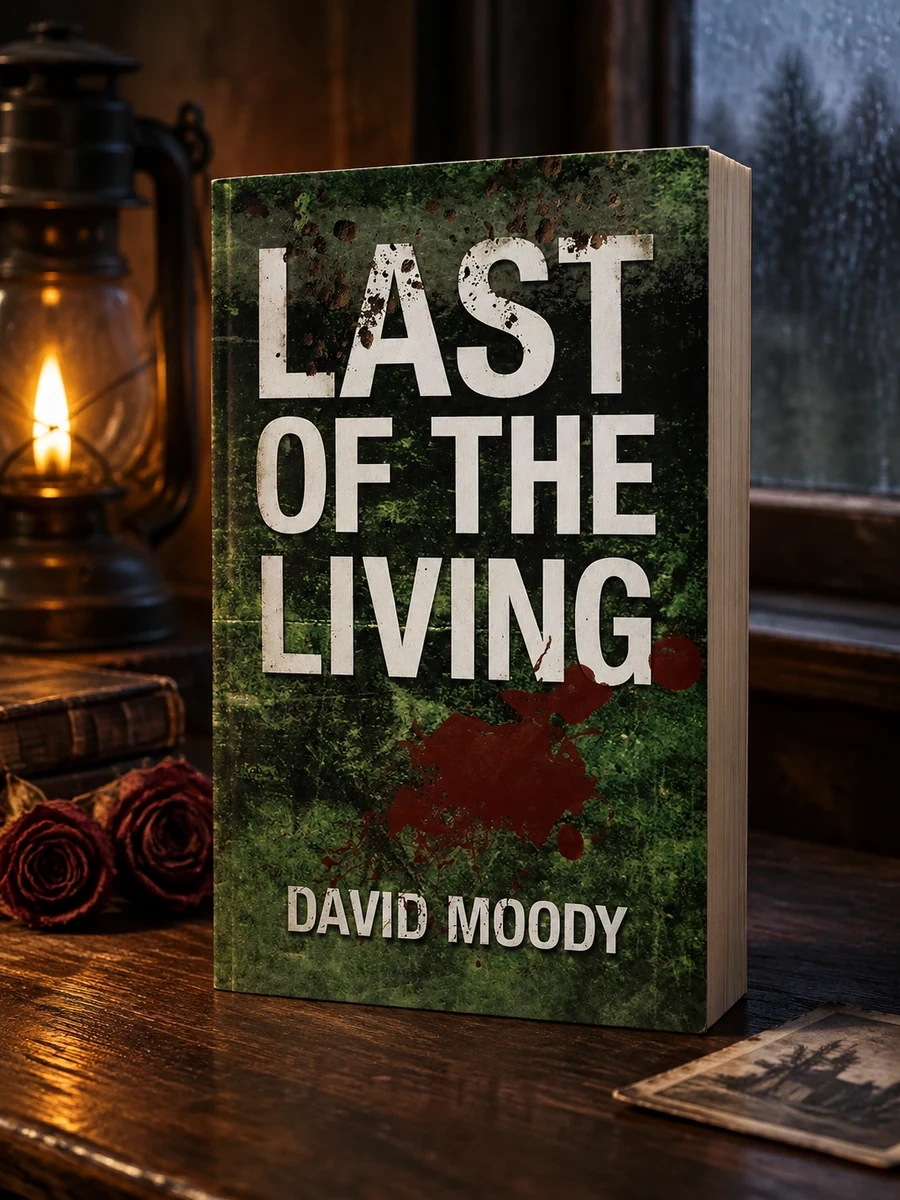
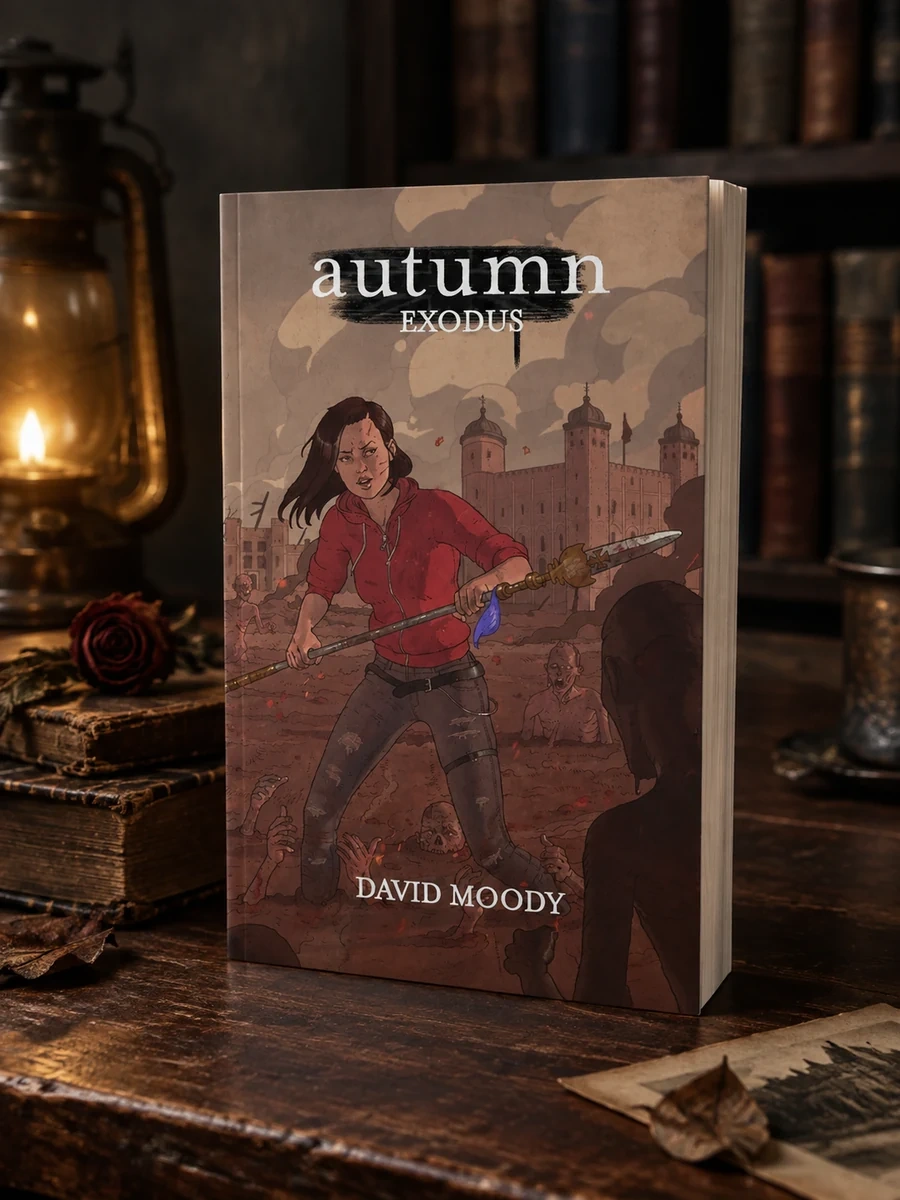
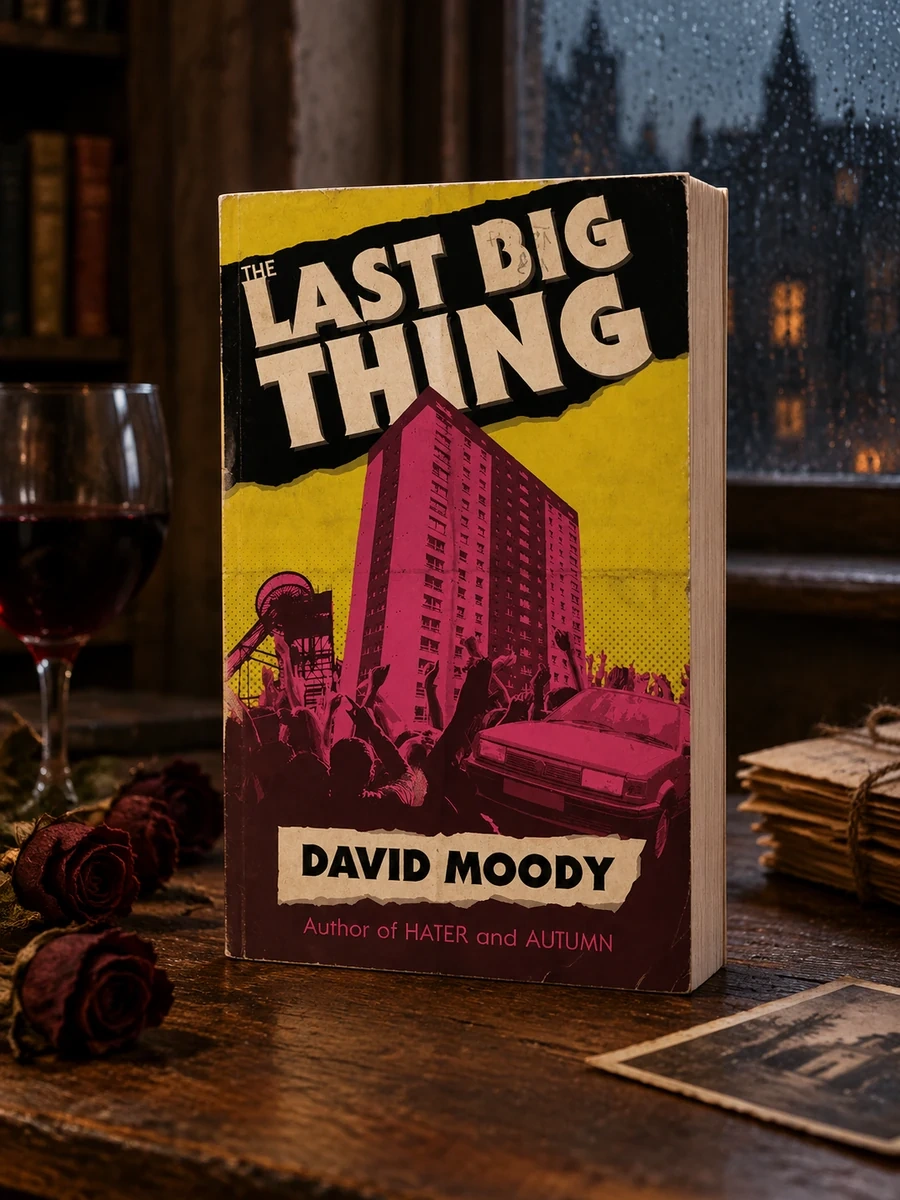
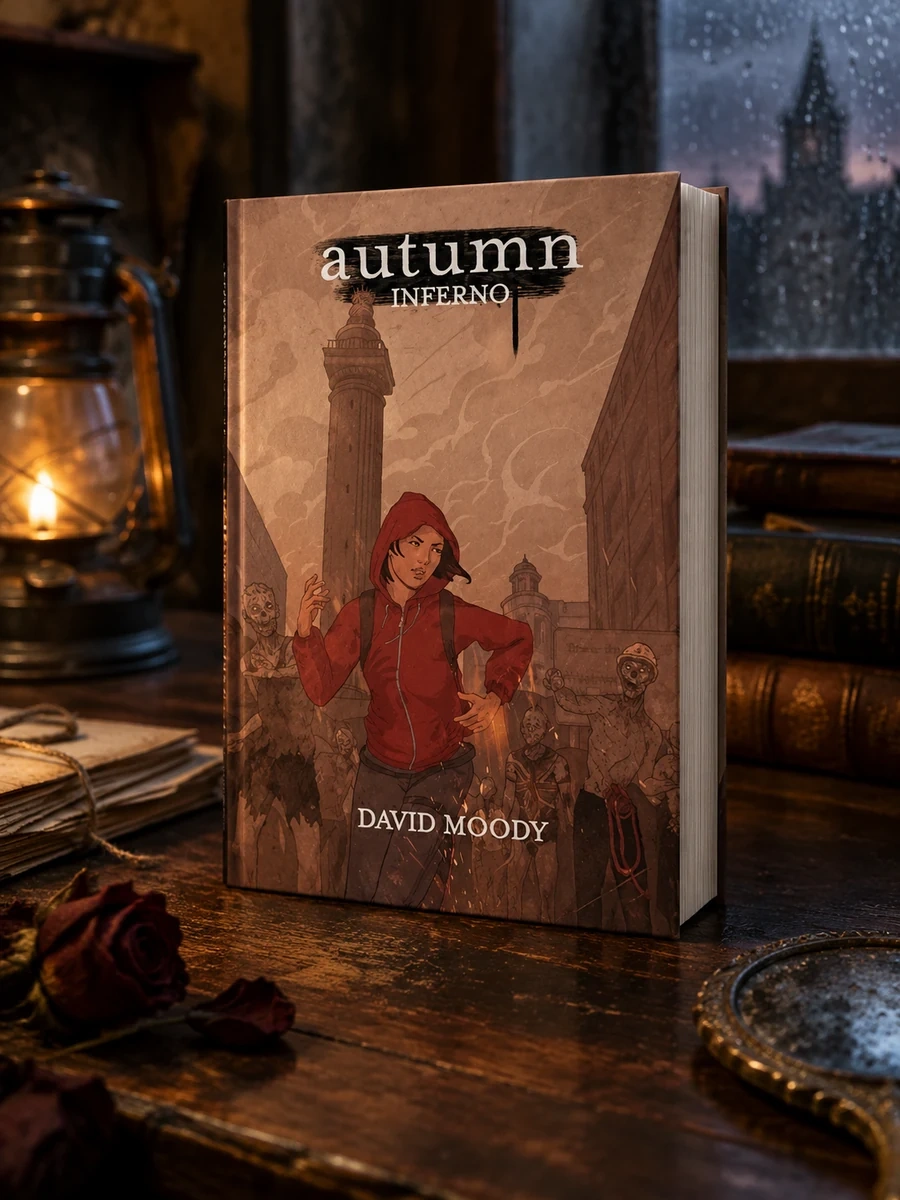
✍️ More books by this author David Moody
🏛 Books from this publisher St. Martin's Griffin


You might also like
See more →


Have a question about this item?
Ask about the edition, condition, delivery or anything else — we reply by email or phone, usually within a day.
