Do Not Read This Book
A horror collection where the reader becomes part of the story.
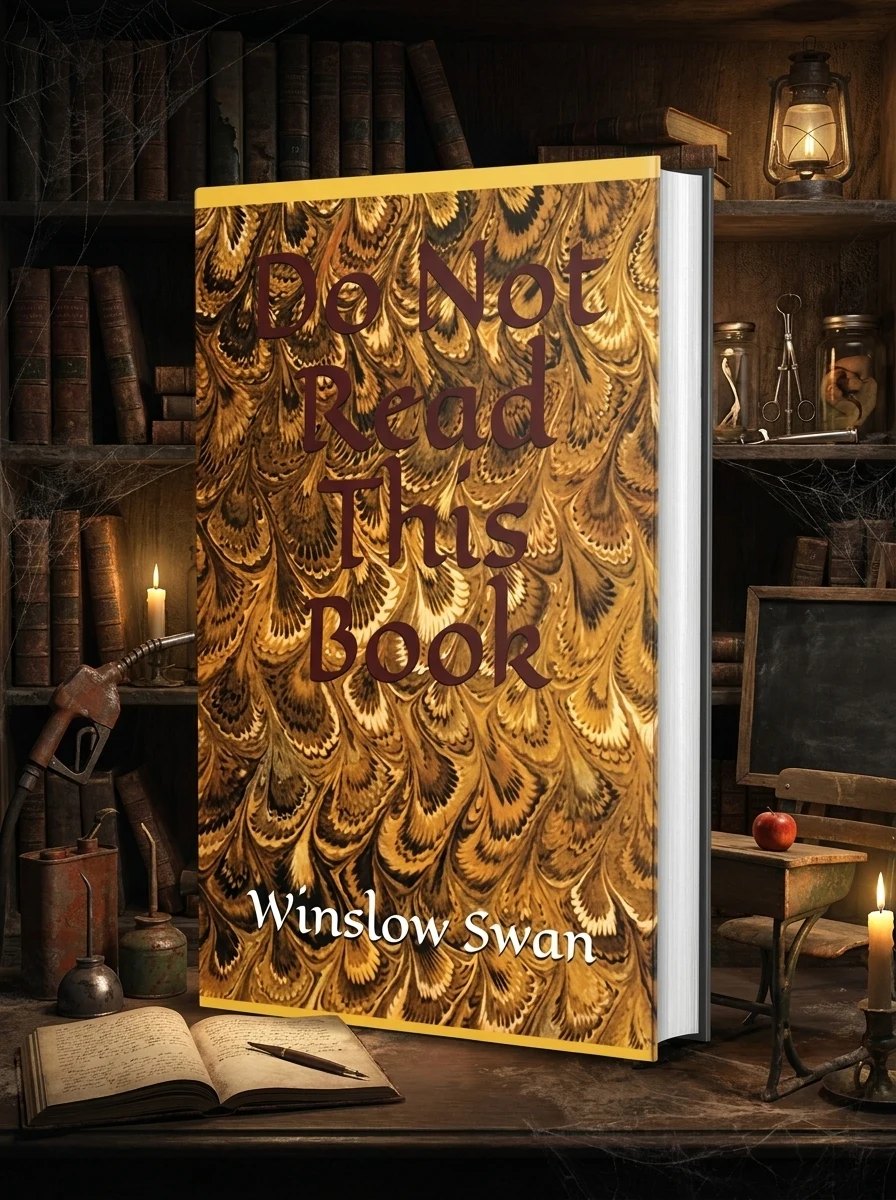
This volume offers a series of interconnected yet standalone narratives designed to unsettle the audience. Swan utilizes the framework of short fiction to explore themes of isolation and hidden perversions in everyday roles. The gas station attendant, the doctor, and the teacher all represent figures of authority or care who harbor dark secrets. By addressing the reader directly with warnings, the text creates a paradoxical invitation to engage with content that threatens the consumer. The inclusion of the author's personal story adds a layer of authenticity to the fictional horrors presented.
Published in 2020 by Independently Published, this work fits within the contemporary wave of self-published horror fiction. It draws on the tradition of meta-fictional horror where the narrative acknowledges its own existence as a dangerous object. The style reflects modern digital-age anxieties about media consumption and personal safety.


📝 Description: Do Not Read This Book
💎 Our verdict on Do Not Read This Book
📖 Why choose it
Why this book is worth reading
Readers who crave immersive, psychological horror that refuses to let them remain passive observers will find this collection compelling. Winslow Swan’s direct address creates a unique parasocial tension, making the fear feel personal and immediate. Those interested in the mechanics of how horror manipulates its audience will appreciate the meta-fictional structure. It is ideal for fans of short-form supernatural fiction who enjoy exploring themes of isolation and the hidden perversions lurking within everyday authority figures. The book offers a distinct experience for those willing to engage with self-referential warnings and psychological unease rather than seeking simple, straightforward plots.
⭐ Reader reviews
Reader rating
Swan effectively utilizes the framework of short fiction to unsettle the audience through direct confrontation. By featuring characters like gas station attendants and doctors harboring dark secrets, the text explores the horror inherent in trusted roles. The inclusion of the author's personal narrative adds a layer of authenticity that complicates the boundary between reality and fiction. While the approach may alienate readers seeking traditional narratives without self-referential elements, it succeeds brilliantly for those who enjoy meta-fictional challenges. The tone is appropriately menacing, creating a sense of immediate danger that lingers after closing the cover. It is a bold experiment in reader engagement within the horror genre.