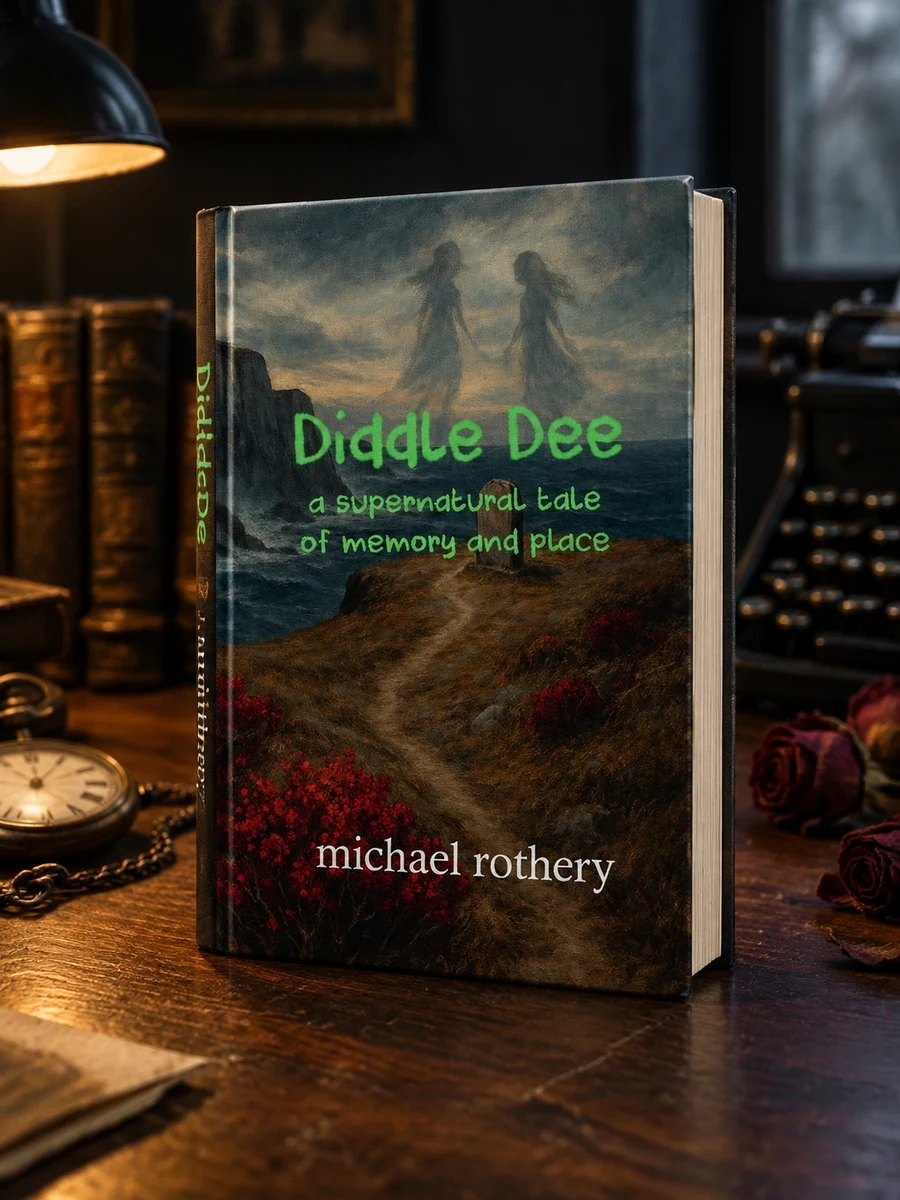
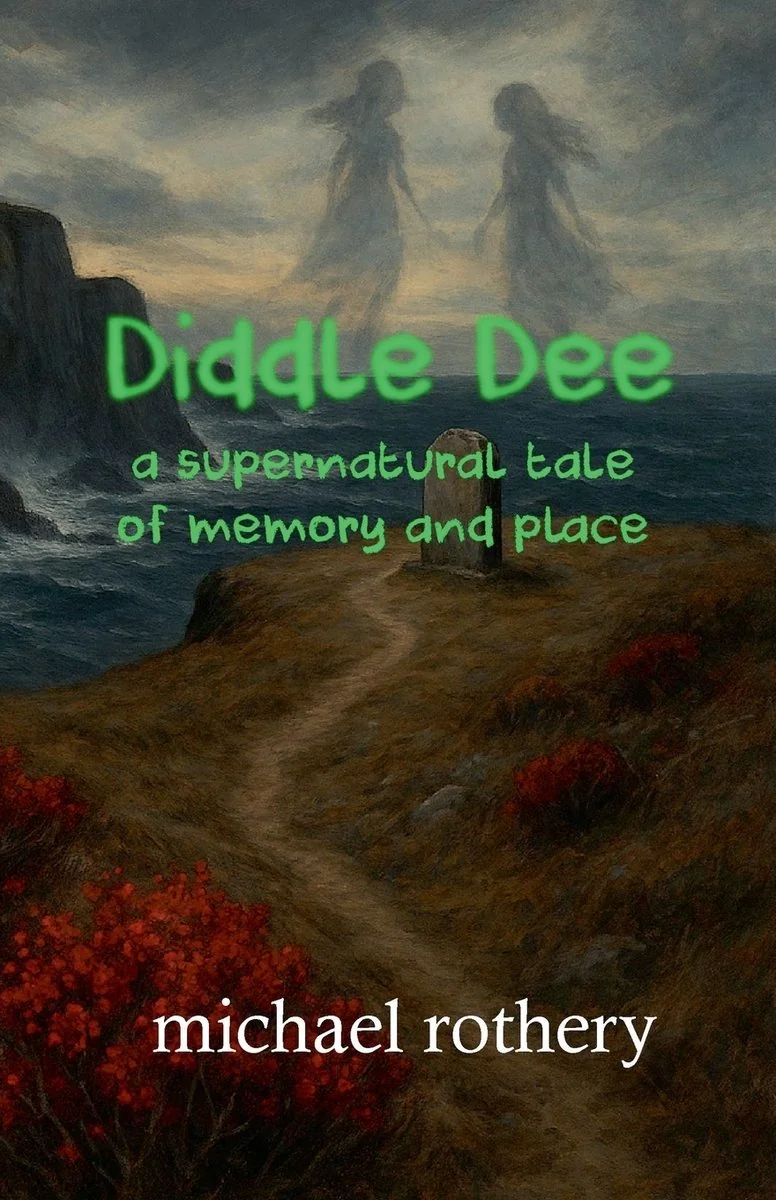
Diddle Dee: A Supernatural Tale of Memory and Place
A slow-burning supernatural tale about memory and place by Michael Rothery
This book explores how identity forms through the lens of memory and location. Rothery uses magical realism to blur the line between psychological states and supernatural events. The narrative creates an unsettling atmosphere that prioritizes mood over traditional action sequences. It appeals to readers who enjoy atmospheric fiction and gothic traditions. Those looking for immediate thrills or clear resolutions may find the ambiguity frustrating. The work examines the uncanny nature of place and how it influences our sense of self. It is a study in dread rather than a collection of jump scares.
Published by Weatherdeck Books in 2026, this work sits within the tradition of gothic fiction and magical realism. It addresses the intersection of psychology and the supernatural, appealing to readers interested in atmospheric horror that challenges perceptions of reality.


📝 Description: Diddle Dee: A Supernatural Tale of Memory and Place
💎 Our verdict on Diddle Dee: A Supernatural Tale of Memory and Place
📖 Why choose it
Why this book is worth reading
Readers who appreciate atmospheric fiction and the gothic tradition will find this book deeply rewarding. It offers a study in dread rather than immediate thrills, appealing to those interested in how place shapes identity and memory. The narrative blurs the line between psychological states and supernatural events, creating an unsettling ambiance that lingers in the subconscious. Those seeking fast-paced plots or explicit gore may find it too restrained, but fans of magical realism and quiet unease will engage with its eerie allure. It challenges perceptions of reality without resorting to generic scares, offering a persistent mood that stays with the reader long after the final page.
⭐ Reader reviews
Reader rating
Rothery crafts a distinct brand of horror by blending psychological depth with magical realism. The narrative prioritizes mood over action, creating an unsettling atmosphere that examines the fragile nature of memory and place. While it lacks immediate shock or clear resolutions, it succeeds as a study of identity through an uncanny lens. The book is best suited for readers who enjoy slow-burning explorations of dread and appreciate the gothic tradition's focus on ambiance. It stands out for its quiet but persistent unease and its firm grip on uncanny elements. This work challenges the reader to consider what is real versus what is remembered, offering a profound engagement with the mind’s limits.
You might also like
See more →







Have a question about this item?
Ask about the edition, condition, delivery or anything else — we reply by email or phone, usually within a day.
