Deusetta
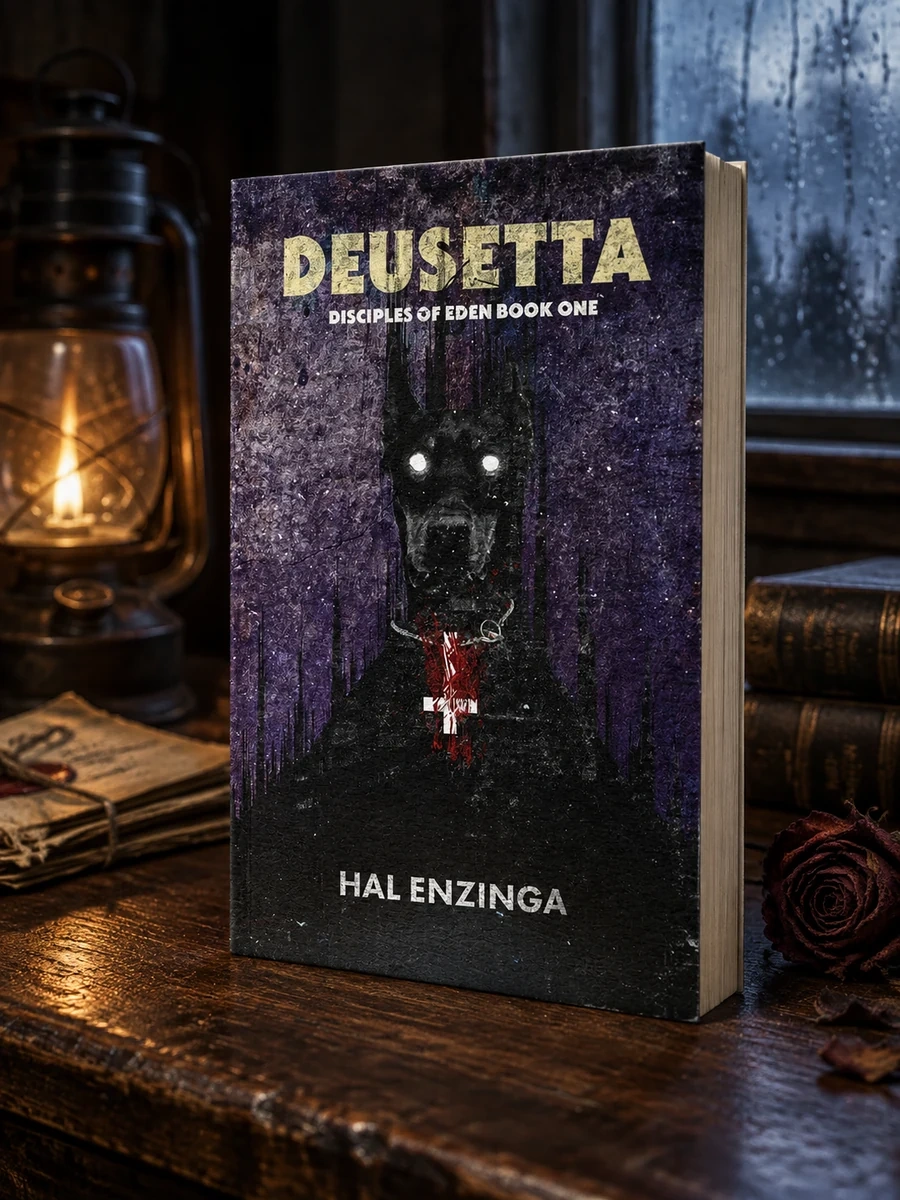
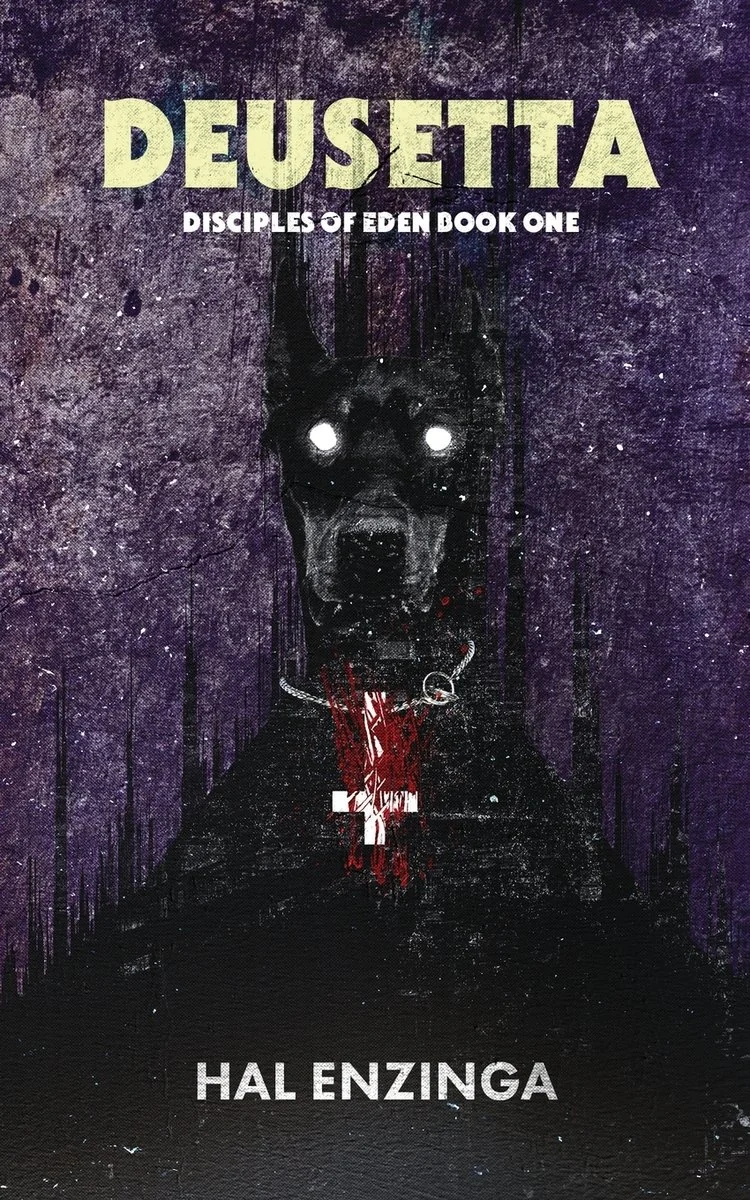
Eleven strangers solve lethal puzzles in a 1936 bunker to escape hell.
Enzinga crafts a tense narrative where memory loss forces eleven diverse captives to confront their darkest selves. The story moves through six distinct rooms, each presenting a unique challenge that tests the limits of sanity. The author draws on gothic traditions of entrapment and supernatural dread, updating them with a sharp focus on interpersonal conflict. The structure relies on escalating stakes rather than external action, keeping the reader grounded in the bunker’s oppressive atmosphere. This approach highlights the fragility of social hierarchies when survival is at stake.
The book is set in 1936, a period marked by global tension and shifting social orders. It draws on gothic fiction traditions of sealed spaces and supernatural judgment. The narrative reflects mid-twentieth-century anxieties about identity and control within oppressive systems.


📝 Description: Deusetta
💎 Our verdict on Deusetta
📖 Why choose it
Why this book is worth reading
Readers who appreciate tight, atmospheric horror with a focus on psychological tension will find this work compelling. It suits those who appreciate classic gothic elements mixed with modern thriller pacing. The narrative explores how ambiguity drives individuals toward psychosis under extreme duress, offering a stark look at human nature when stripped of safety and memory. Those seeking lighthearted adventure or clear moral resolutions may find the ambiguity frustrating, but fans of cerebral horror will gain from its examination of the fragile social hierarchies that collapse when survival is at stake.
⭐ Reader reviews
Reader rating
Enzinga crafts a tense narrative where memory loss forces captives to confront their darkest selves through six distinct rooms. The structure relies on escalating stakes rather than external action, keeping the reader grounded in the bunker’s oppressive atmosphere. This approach highlights the fragility of social hierarchies when survival is at stake. The story moves through lethal puzzles that demand blood for answers, testing the limits of sanity. It offers a compelling study of how trust erodes quickly as paranoia sets in, revealing a sinister reality beyond immediate danger. Readers seeking psychological toll exploration will find this work rewarding.
You might also like
See more →







Have a question about this item?
Ask about the edition, condition, delivery or anything else — we reply by email or phone, usually within a day.
