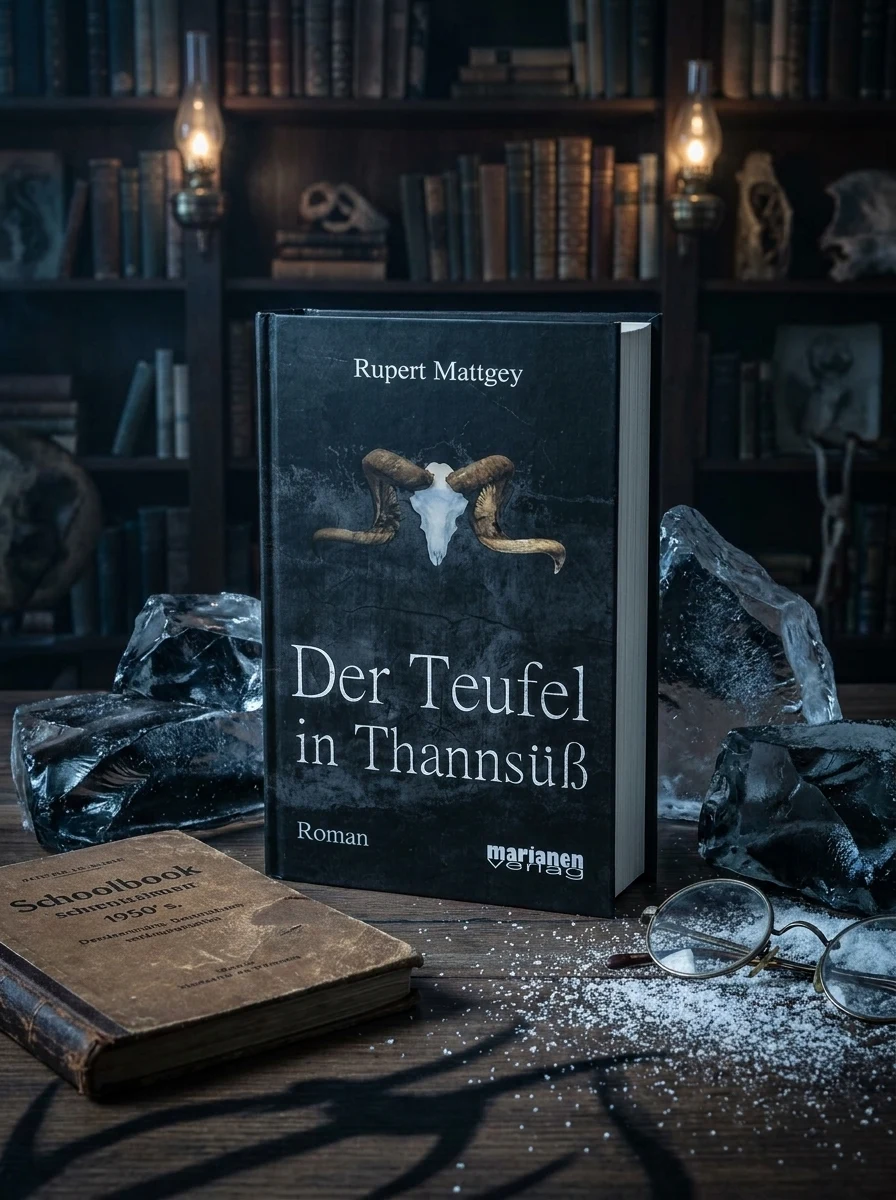
Der Teufel in Thannsuss
A teacher investigates disappearances at a glacier village in 1956.
Erik Strauss takes a teaching post in Thannsuss, a remote community nestled beneath the Grimboldgletscher. His mission begins with finding Cornelius Piel, the previous instructor who vanished without a trace. The search leads Erik through mud and darkness, revealing that the village is hiding something far worse than a simple disappearance. Strange deaths occur, and the glacier becomes a site of terror. Erik realizes his fate is tied to the town’s dark history. He fights to protect his family from the violence erupting around them. The story examines how isolation breeds fear and how the past refuses to stay buried. Mattgey uses the frozen landscape as a metaphor for emotional coldness and hidden guilt.
Set in 1956, this German-language horror novel draws on gothic traditions of isolated villages and ancient evils. It reflects mid-twentieth-century anxieties about community secrets and the encroaching power of nature. The work sits within modern horror literature, emphasizing atmospheric dread over gore.


📝 Description: Der Teufel in Thannsuss
💎 Our verdict on Der Teufel in Thannsuss
📖 Why choose it
Why this book is worth reading
Readers who appreciate slow-burn gothic fiction and environmental dread will find this work compelling. It offers a deep dive into how isolation breeds fear, making it ideal for those who prioritize atmospheric tension over action. The narrative’s focus on familial stakes and psychological unraveling provides emotional weight for fans of dark fantasy and true crime-adjacent horror. Those seeking lighthearted supernatural adventures should look elsewhere, as the tone remains consistently oppressive. This book suits individuals who enjoy analyzing how the past refuses to stay buried and who value uncompromising approaches to darkness in modern literature.
⭐ Reader reviews
Reader rating
Mattgey constructs a dark, atmospheric tale where the frozen landscape serves as a potent metaphor for emotional coldness and hidden guilt. The narrative effectively grounds its terror in physical isolation rather than relying on supernatural clichés, creating a sense of inevitable doom. By focusing on the protagonist's psychological unraveling and the village's collective secrets, the story achieves a chilling authenticity. It is best suited for readers who enjoy isolated village mysteries and appreciate tension built through setting and character dynamics. The consistent oppressive tone demands patience but rewards those who find beauty in bleakness. This work stands as a strong example of modern horror that values mood and implication over explicit gore or jump scares.
📖 Read on the blog
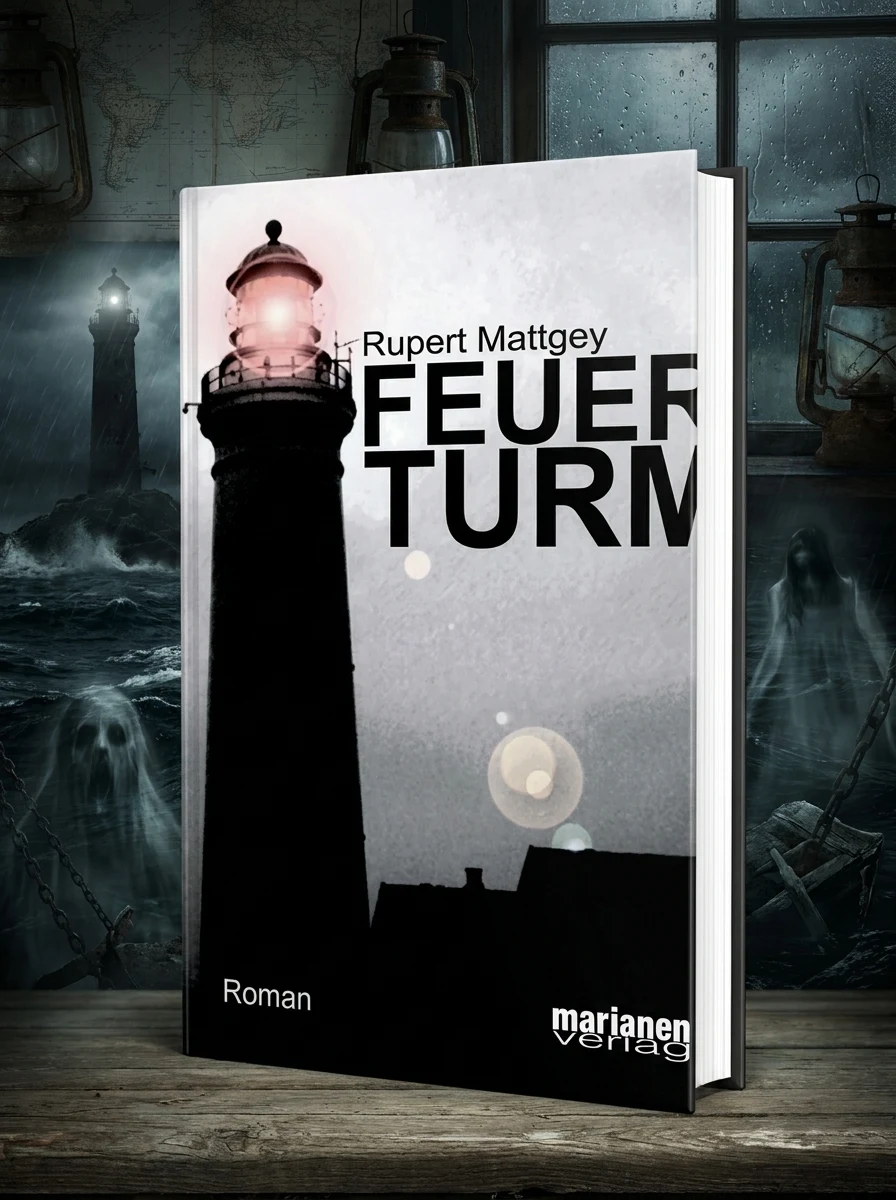
✍️ More books by this author Rupert Mattgey


🏛 Books from this publisher Createspace Independent Publishing Platform



You might also like
See more →

Have a question about this item?
Ask about the edition, condition, delivery or anything else — we reply by email or phone, usually within a day.
