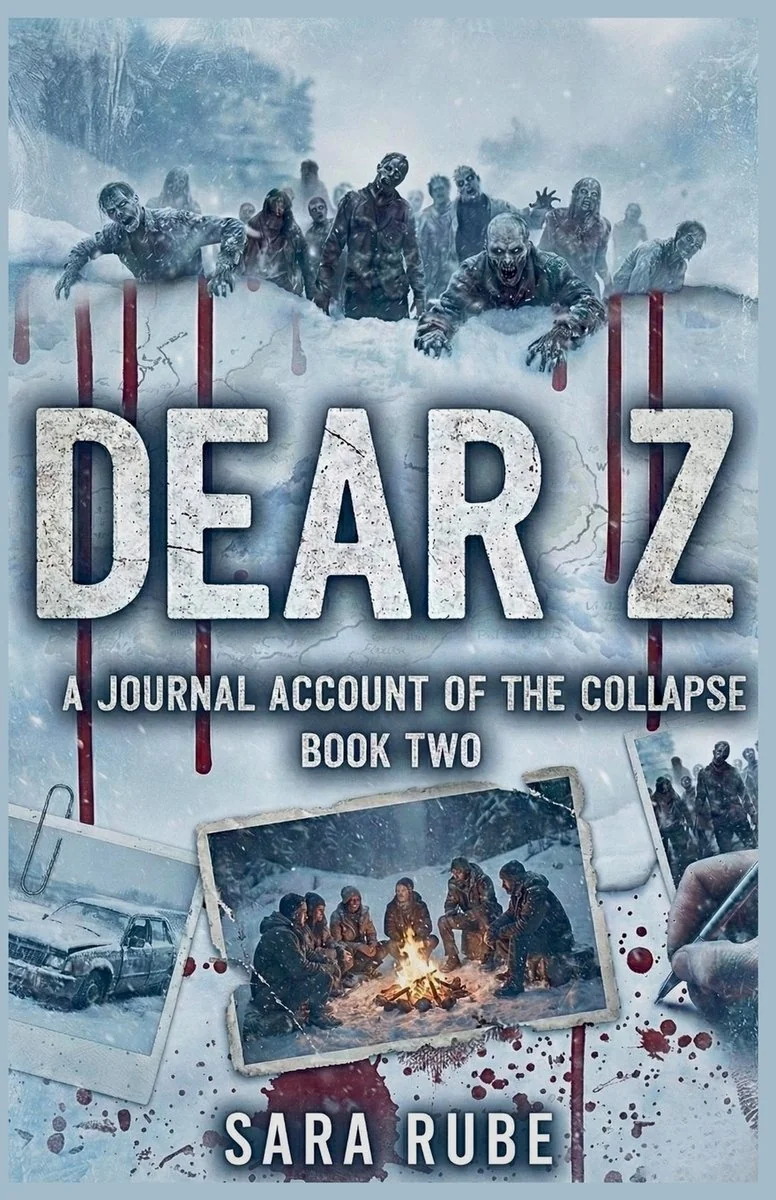
Dear Z - A Journal Account of the End
Survivors trapped in a mountain face internal decay and external horror.
Rube continues the Dear Z saga by moving the setting from the tree line into ancient jagged heights. The protagonists find themselves enclosed within stone rather than protected by it. Winter arrives with a frost that cuts like a blade, accelerating the loss of their civilized veneer. The narrative focuses on the dwindling resources and the increasing paranoia among the group. Trust erodes as the boundary between human and animal blurs. The text presents a stark view of survival where the greatest threat comes from within the group. Rube constructs a tense atmosphere where silence becomes a weapon and shadows conceal danger.
Published in January 2026 by Sara Jane Wilson, this work sits within the horror and gothic fiction genres. It draws on traditions of supernatural suspense and post-apocalyptic survival narratives. The text reflects contemporary anxieties about isolation and societal fragility through its confined setting.


📝 Description: Dear Z - A Journal Account of the End
💎 Our verdict on Dear Z - A Journal Account of the End
📖 Why choose it
Why this book is worth reading
Readers who appreciate the erosion of civilization under extreme duress will find this book compelling. It offers a stark examination of paranoia and the blurring line between human and animal instincts. Those interested in gothic horror that prioritizes psychological tension over action will enjoy the intense atmosphere. The narrative appeals to fans of societal collapse stories where the greatest threat is internal rather than external. It suits those who like bleak, grounded survival tales without traditional monster hunts. The focus on silence as a weapon and shadows as danger provides a unique reading experience for enthusiasts of dark fantasy and true crime-adjacent psychological realism.
⭐ Reader reviews
Reader rating
Sara Rube delivers a tense, claustrophobic narrative that excels in building dread through confinement rather than combat. By shifting the setting to ancient jagged heights, she creates an environment where winter frost acts as a physical threat, stripping away civilization like dead skin. The book’s strength lies in its exploration of psychological toll and the erosion of social norms among trapped survivors. It suits readers seeking gothic horror with deep psychological tension. Those preferring lighthearted adventure may find the tone too bleak. The work effectively grounds supernatural elements in immediate physical reality, making the internal struggle for survival feel visceral and urgent.