

Dear Emily: One Man's Descent into the Backrooms
A visual poem tracing a man's hallucinatory death in the Backrooms.
Fatuzzo uses stark visuals to depict a man's psychological collapse. The narrative focuses on sensory delusions rather than external events. Demons, giants, and faceless trains populate his dying mind. This approach highlights the isolation of the experience. The work examines how guilt shapes perception at the end of life. It avoids conventional storytelling structures. Instead, it relies on image and sparse text to convey terror. The result is a chilling look at the fragility of the human psyche when faced with the unknown.
This work engages with the contemporary internet folklore of the Backrooms, blending it with gothic literary traditions. It presents a modern take on supernatural fiction by focusing on internal psychological states rather than external monsters. The format reflects current trends in visual poetry and minimalist storytelling within independent publishing.


📝 Description: Dear Emily: One Man's Descent into the Backrooms
💎 Our verdict on Dear Emily: One Man's Descent into the Backrooms
📖 Why choose it
Why this book is worth reading
Readers who appreciate atmospheric dread over conventional narrative structure will find this work compelling. It offers a unique exploration of guilt and the fragility of the human mind during its final moments. Those interested in visual storytelling and the anatomy of regret will appreciate the stark presentation. The book is ideal for fans of psychological horror who prefer intense sensory delusions to external action. It provides a chilling look at how perception shifts when faced with the unknown.
⭐ Reader reviews
Reader rating
Fatuzzo delivers a stark, minimalist visual poem that effectively captures the terror of a fracturing consciousness. By relying on image and sparse text, he creates an immersive experience of sensory delusion without resorting to traditional dialogue or plot. The depiction of demons, giants, and faceless trains serves as a powerful metaphor for internal guilt and fear. This approach highlights the isolation of the protagonist’s experience, blurring the line between purgatory and reality. While challenging for those seeking linear storytelling, it rewards readers with a profound examination of the psyche's breakdown.
📖 Read on the blog
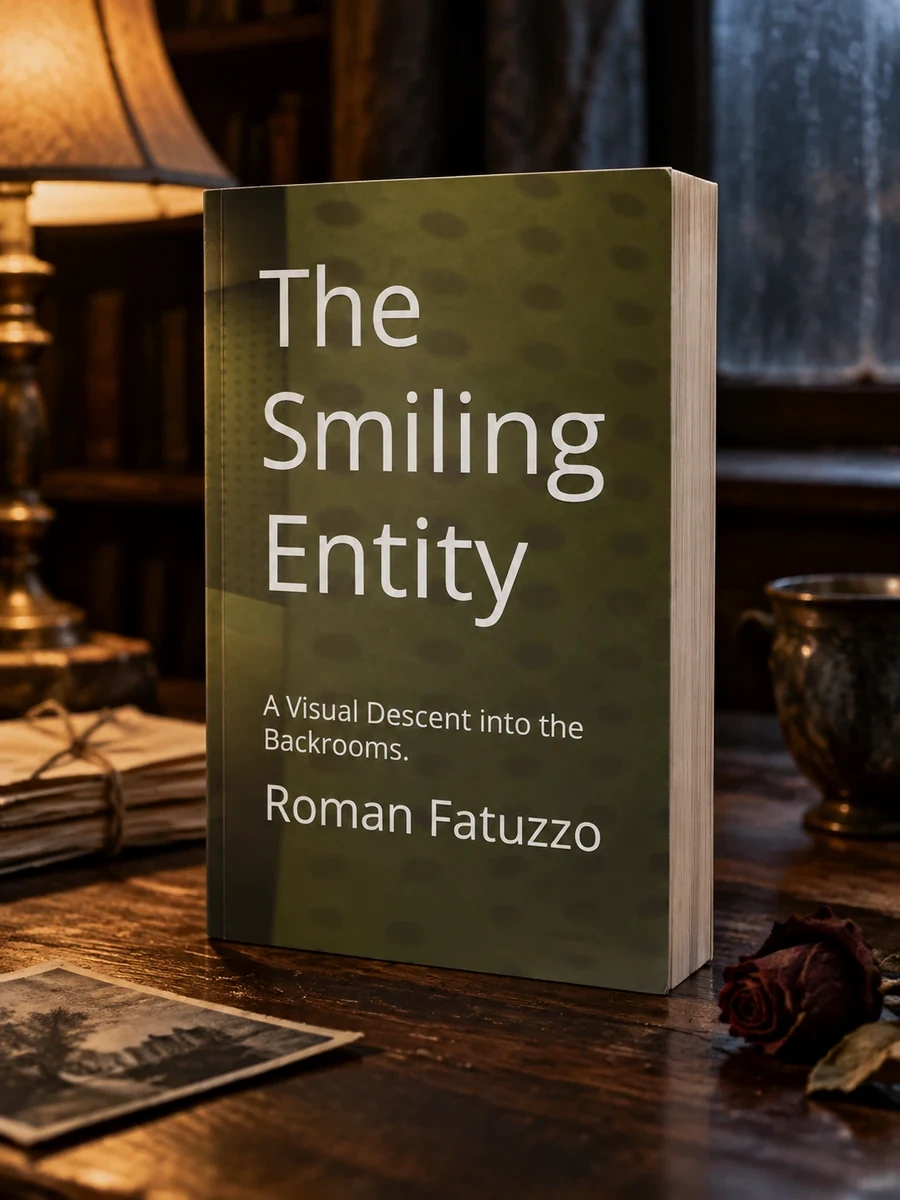
✍️ More books by this author Roman Fatuzzo






🏛 Books from this publisher Independently Published






You might also like
See more →


Have a question about this item?
Ask about the edition, condition, delivery or anything else — we reply by email or phone, usually within a day.
