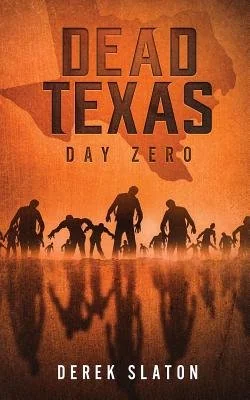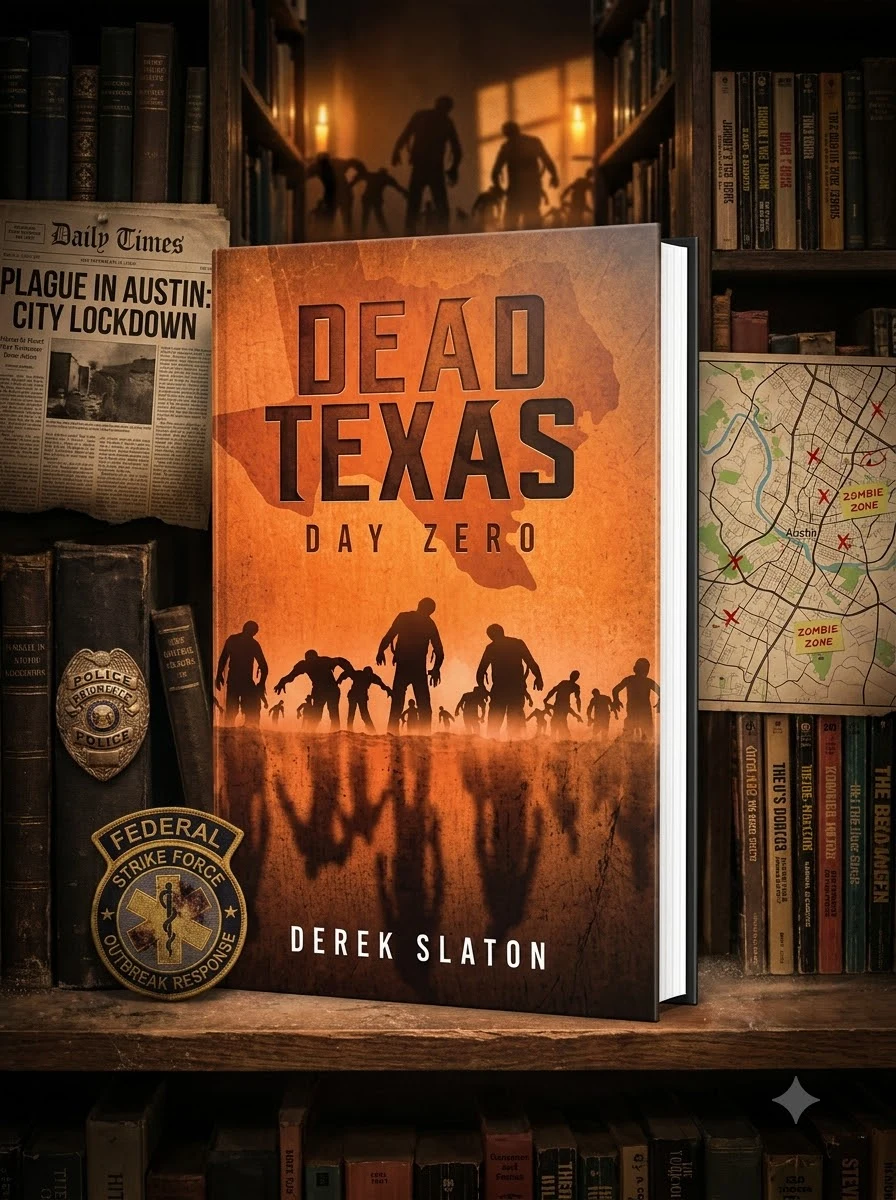
Dead Texas: Day Zero
A rookie officer fights a zombie plague in Austin with a federal team.
Slaton constructs a tense narrative where Lacy Sparks, a new police officer, is deployed to handle a catastrophic biological event. The plot centers on the immediate chaos of an outbreak that reanimates corpses into flesh-eating monsters. The story tracks the struggle of a specialized unit trying to contain the spread before it overwhelms the region. This approach highlights the vulnerability of urban centers when faced with an invisible, lethal pathogen that defies natural laws.
Published in 2018 by VGA, this novel sits within the contemporary American horror tradition. It reflects modern anxieties regarding public health crises and biological threats. The setting of Austin provides a specific geographic anchor for the supernatural events.


📝 Description: Dead Texas: Day Zero
💎 Our verdict on Dead Texas: Day Zero
📖 Why choose it
Why this book is worth reading
Readers who crave high-octane tension and immediate survival stakes will find this narrative compelling. It is ideal for those interested in the intersection of law enforcement protocols and supernatural biological threats. The book offers a grounded look at the initial stages of a catastrophic event, appealing to fans of military or police responses to horror scenarios. Those seeking fast-paced action within the horror genre will appreciate the rapid escalation of crisis through the perspective of rookie officer Lacy Sparks and her federal team. It is particularly suitable for readers who prefer a focused narrative on containment efforts without branching into broader mythological explanations or slow-burn psychological depth.
⭐ Reader reviews
Reader rating
Slaton constructs a tense, immediate narrative that effectively captures the panic of an urban outbreak in Austin. By focusing on rookie officer Lacy Sparks and her federal strike force, the story highlights the vulnerability of modern infrastructure to lethal pathogens. The book excels in portraying the rapid escalation of a crisis through law enforcement eyes, offering a gritty look at emergency response under impossible conditions. It suits readers who enjoy fast-paced action and biological horror over slow-burn psychological dread. The text remains grounded in specific events, providing a visceral experience for fans of the genre without relying on complex mythological frameworks.