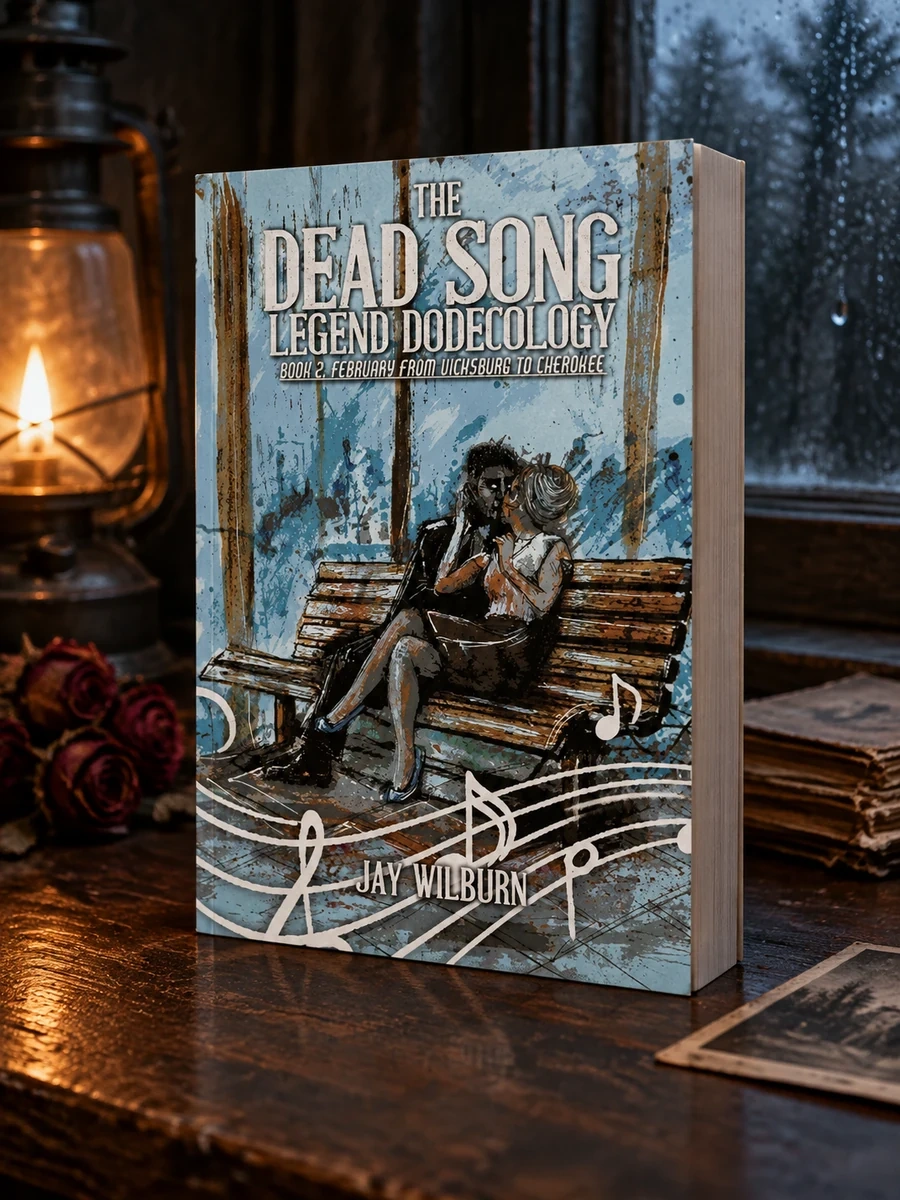

Dead Song Legend Dodecology Book 2: February
A reflective look at legend and loss in Maggie Valley's zombie wars.
This volume shifts focus from immediate survival to the long-term cultural impact of the undead plague. Senator Brokenoak’s speech highlights how Tiny Jones has become a larger-than-life symbol for the people of Maggie Valley. The text explores the tension between historical fact and myth-making, showing how trauma reshapes collective memory. It does not offer new battles but rather examines the psychological scars left by them. The narrative suggests that remembering the dead is crucial for healing, yet dangerous if it prevents moving forward.
The story is rooted in the specific locale of Maggie Valley, drawing on local folklore and recent traumatic events involving zombie outbreaks. It reflects a post-conflict society grappling with how to honor fallen heroes while trying to rebuild their community from the ashes of war.


📝 Description: Dead Song Legend Dodecology Book 2: February
💎 Our verdict on Dead Song Legend Dodecology Book 2: February
📖 Why choose it
Why this book is worth reading
Readers who appreciate the intersection of historical memory and supernatural trauma will find this volume rewarding. It offers a rare pause in the zombie genre, shifting focus from kinetic action to the cultural impact of loss. By examining how Tiny Jones becomes a symbol for Maggie Valley, Wilburn provides a nuanced look at collective healing versus stagnation. Those interested in the distortion of truth over time and the weight of communal grief will gain insight into how legends are forged in blood. It serves as an atmospheric bridge between personal sorrow and public history, appealing to those who value reflective storytelling within horror frameworks.
⭐ Reader reviews
Reader rating
Wilburn crafts a compelling examination of legend-building amidst apocalyptic ruin. The narrative effectively uses Senator Brokenoak’s testimony to ground abstract fears in tangible reality, validating events through personal witness rather than mere myth. While lacking traditional action, the book succeeds in exploring the psychological scars left by undead conflicts. It suits readers who prefer atmospheric depth and character studies over fast-paced battles. The tone is appropriately heavy, emphasizing the danger of preventing forward movement through excessive remembrance. Ultimately, it stands as a thoughtful contribution to the subgenre, rewarding those who seek meaning behind the horror.
📖 Read on the blog
📖 From the series “Dead Song Legend”
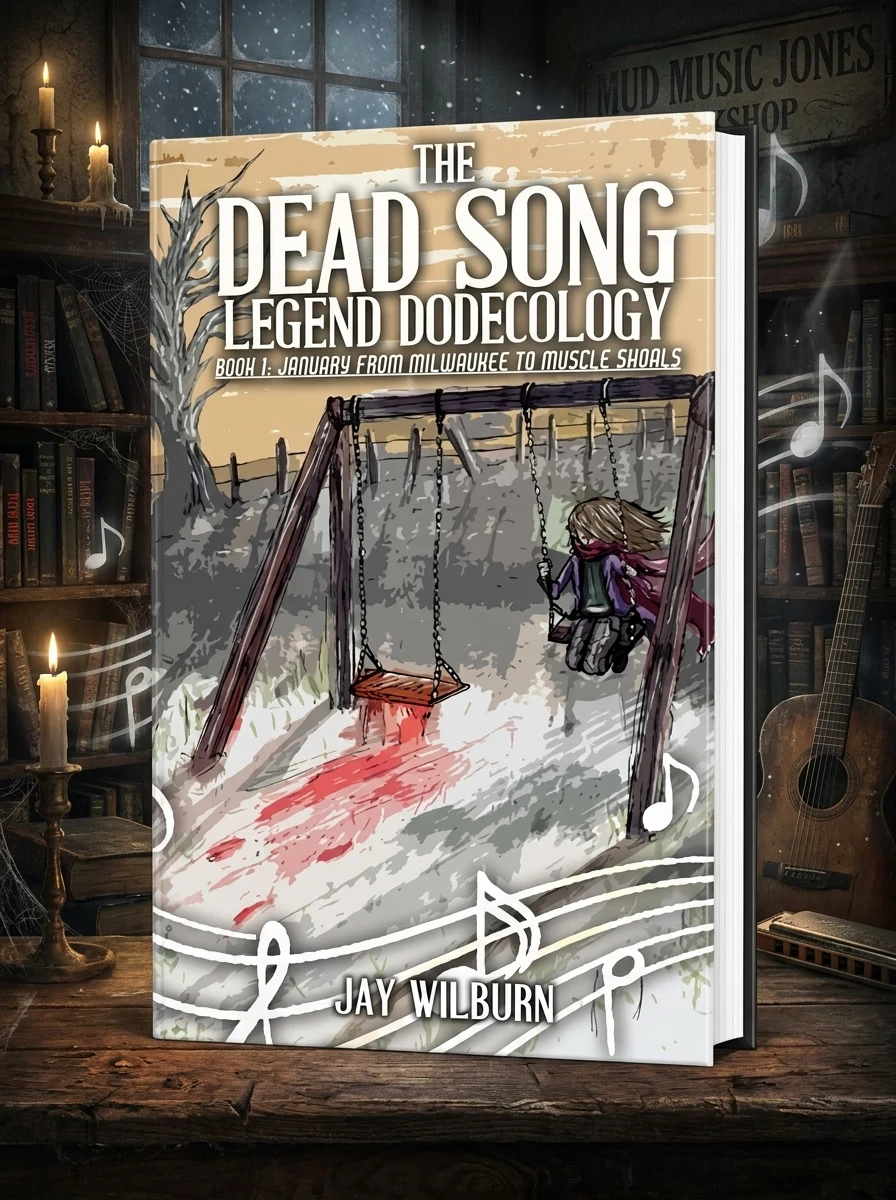


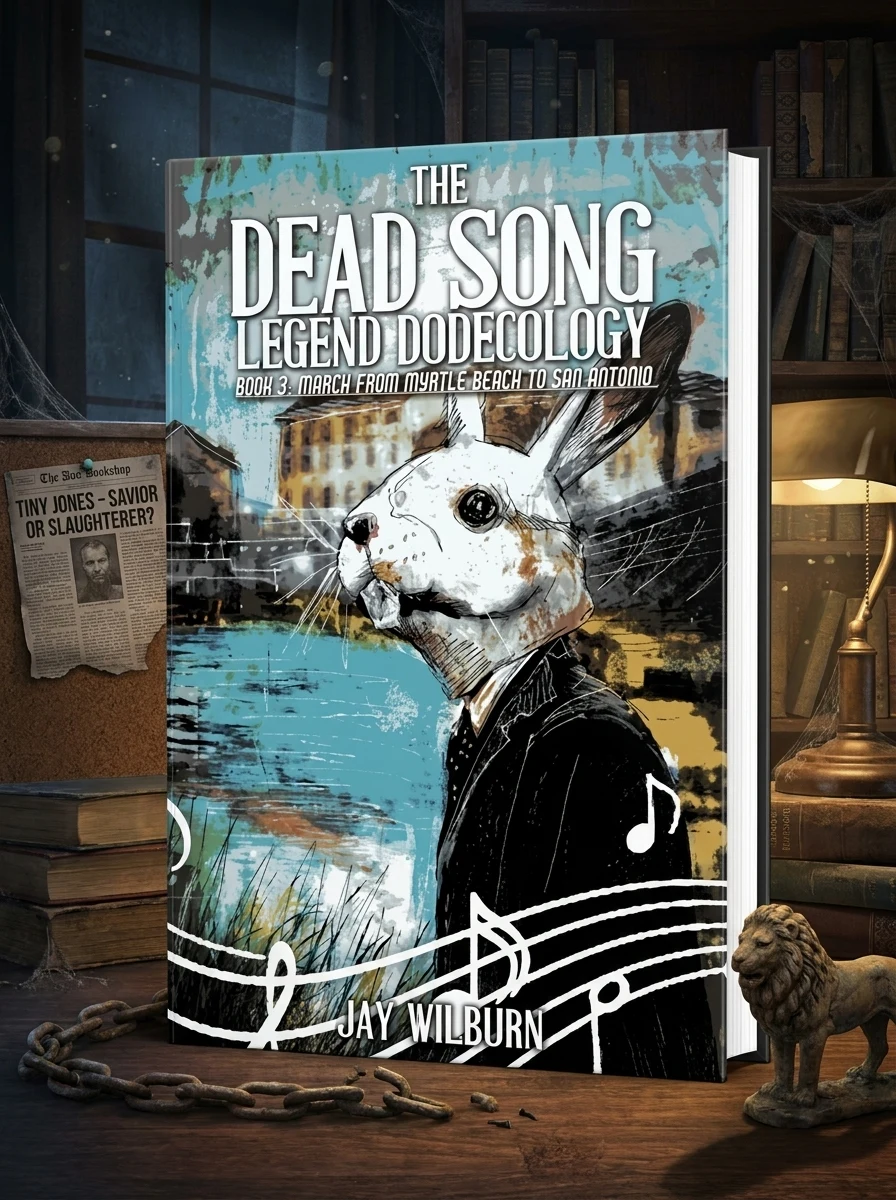
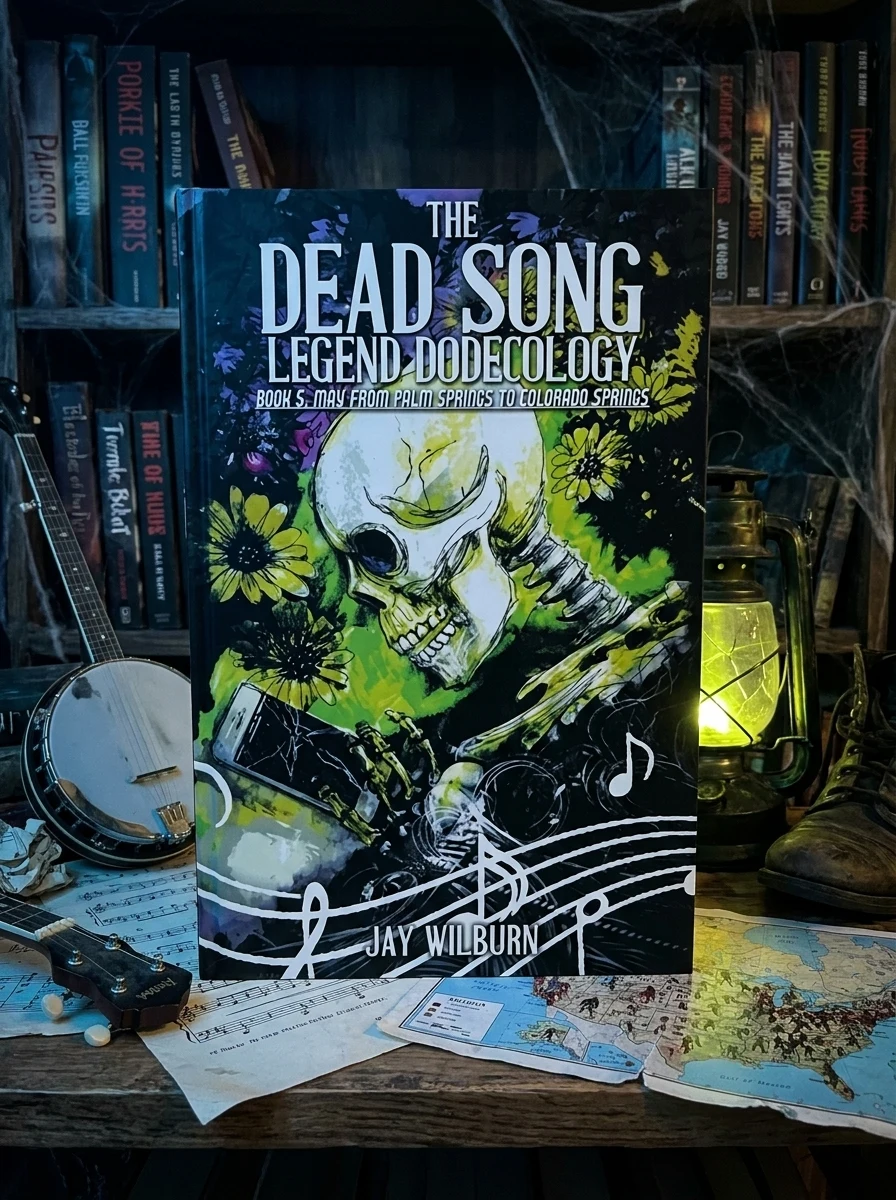
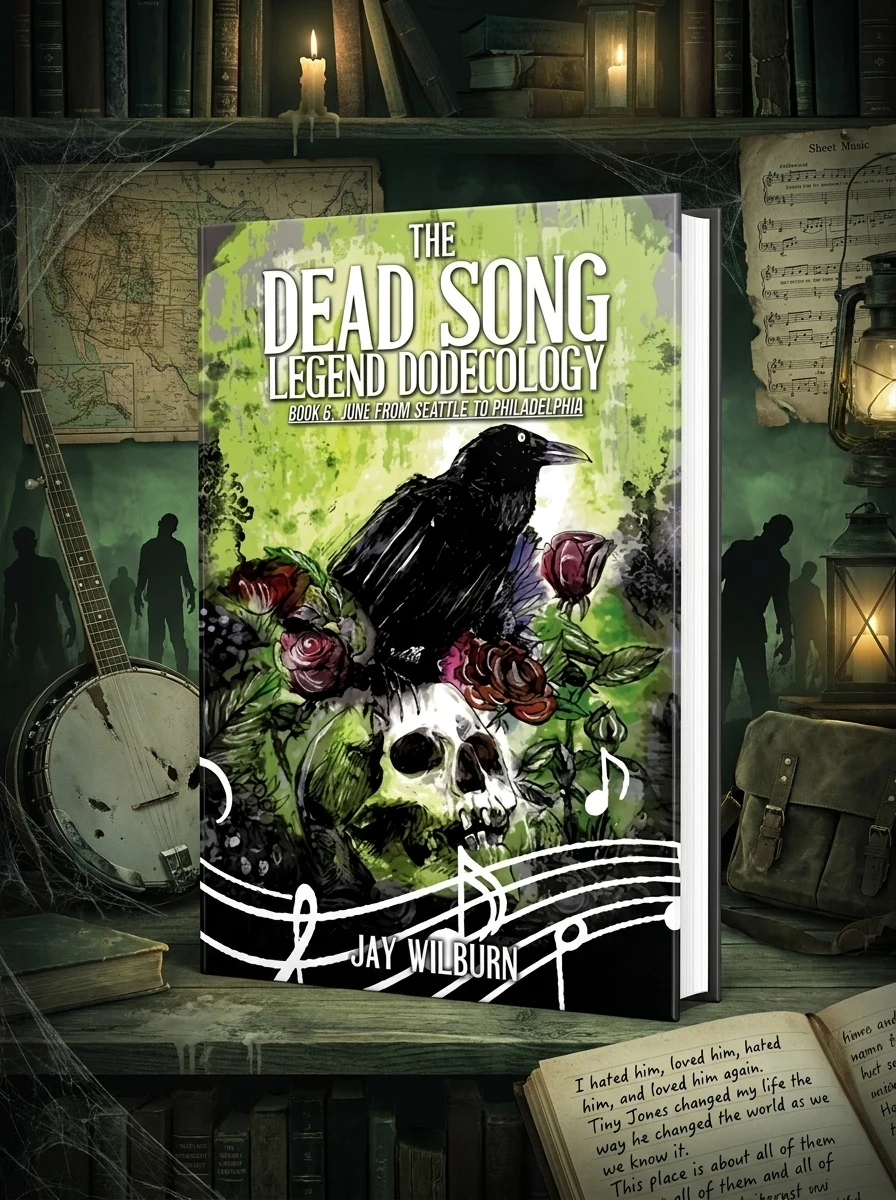
✍️ More books by this author Jay Wilburn
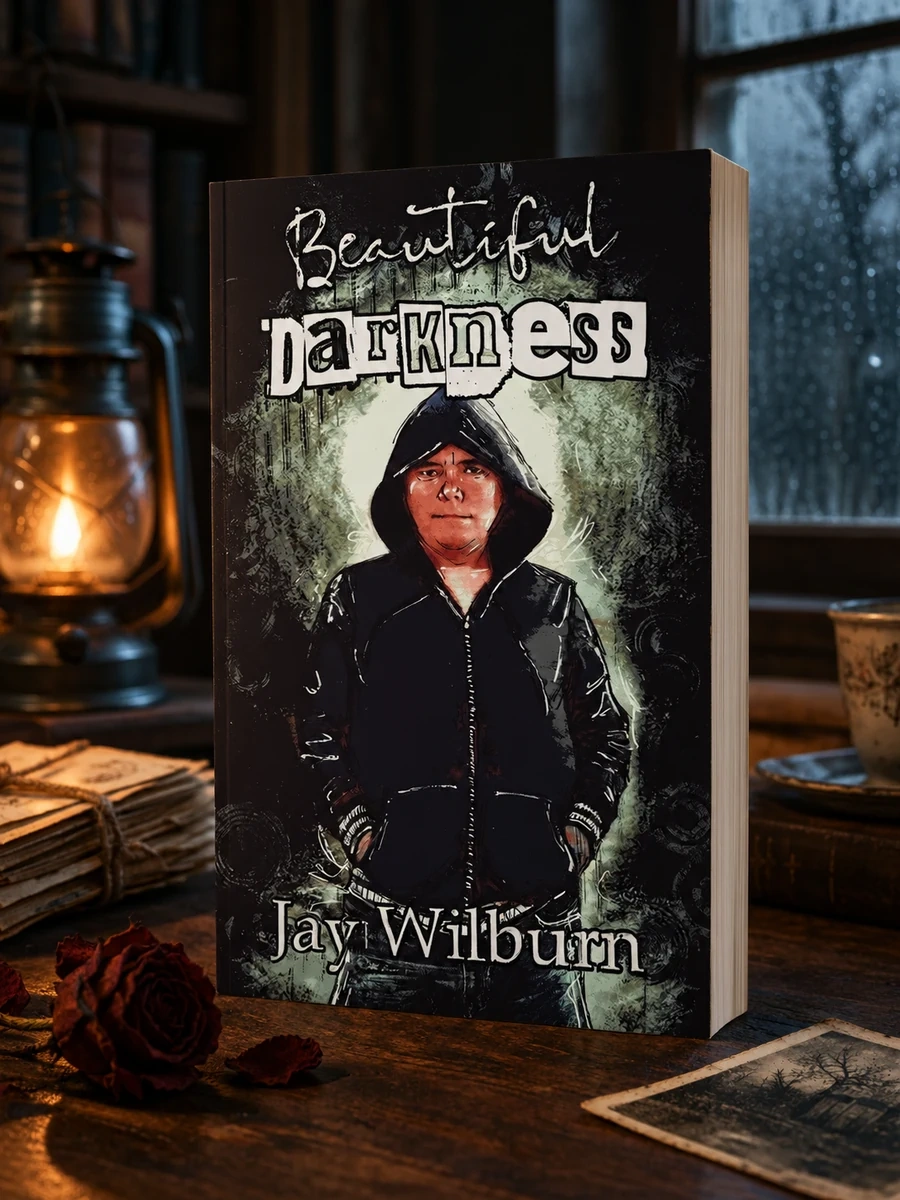
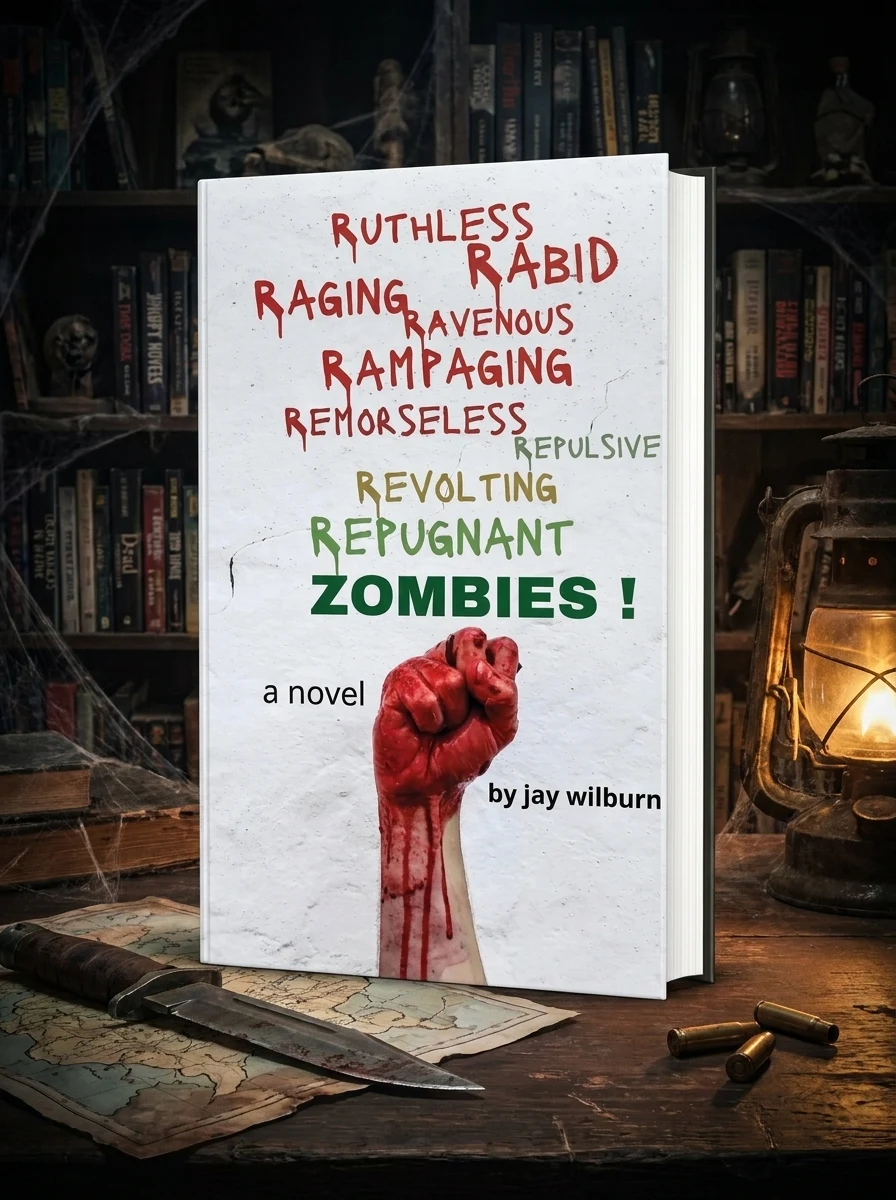
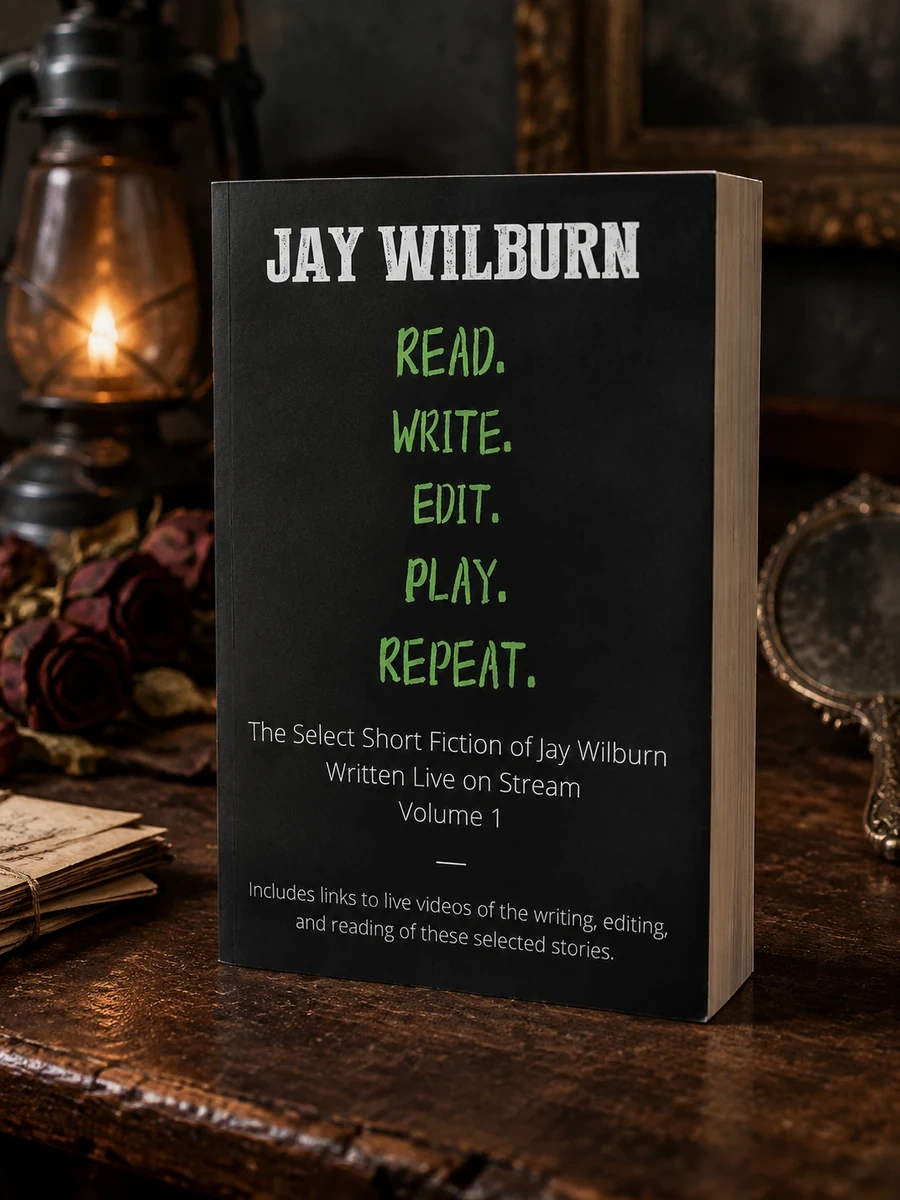
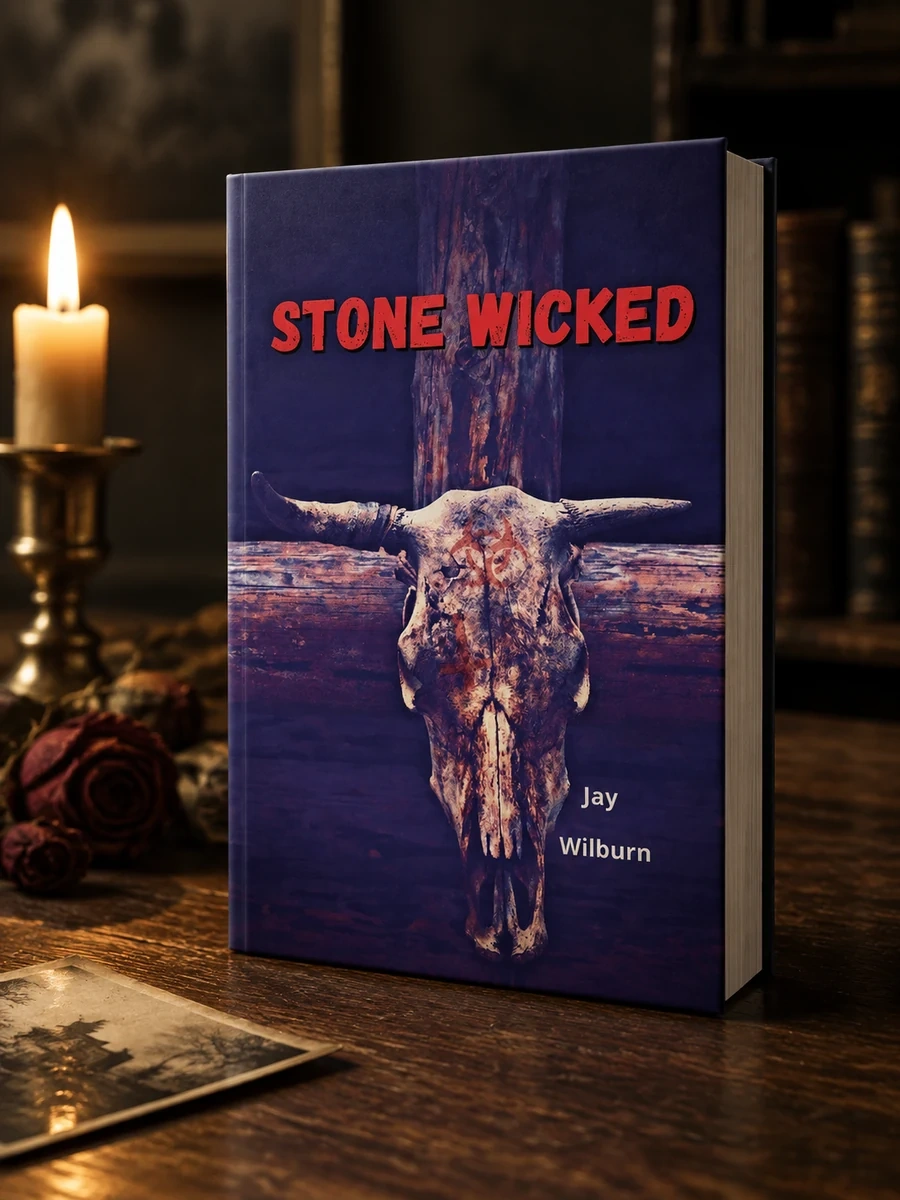
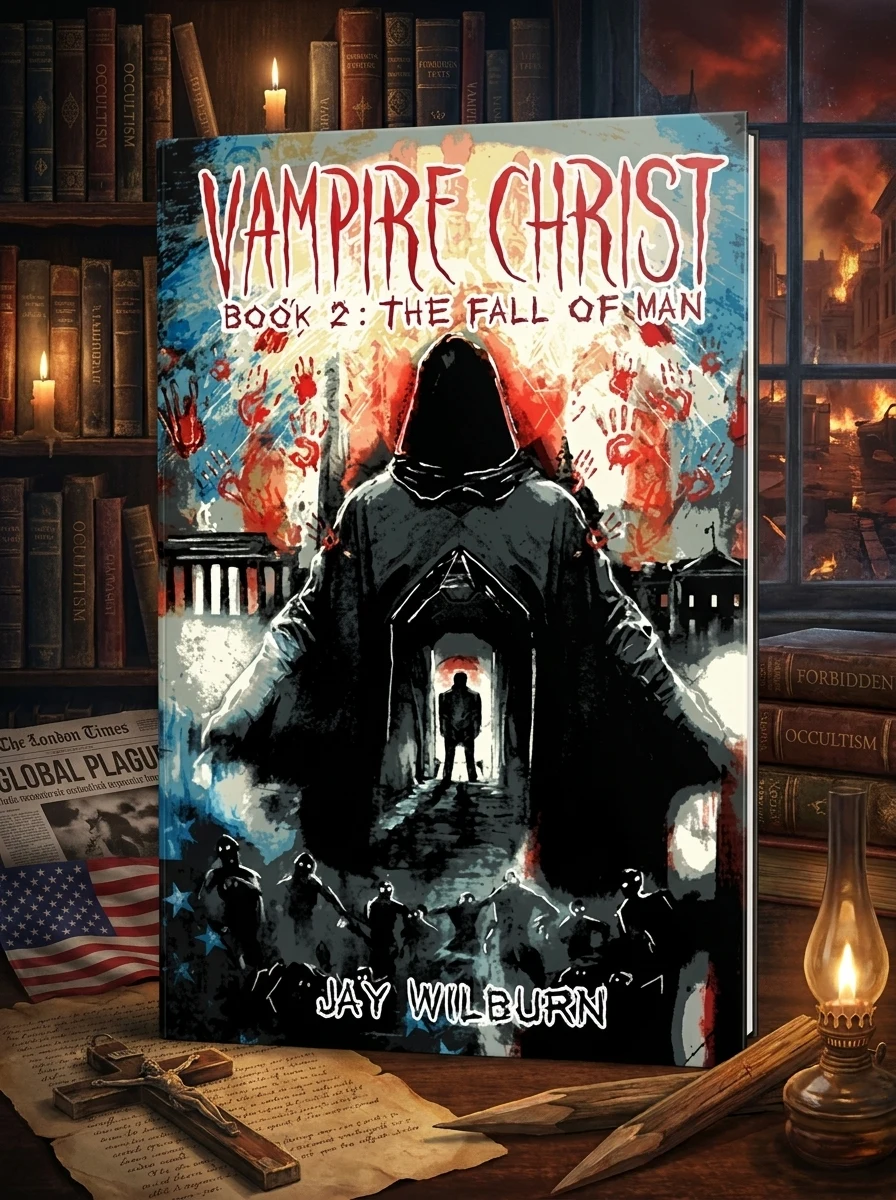
🏛 Books from this publisher Createspace Independent Publishing Platform
You might also like
See more →


Have a question about this item?
Ask about the edition, condition, delivery or anything else — we reply by email or phone, usually within a day.
