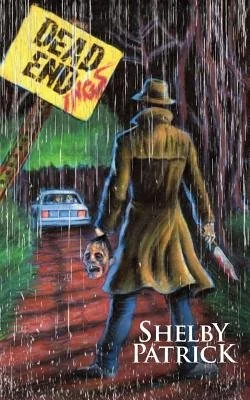
Dead Endings
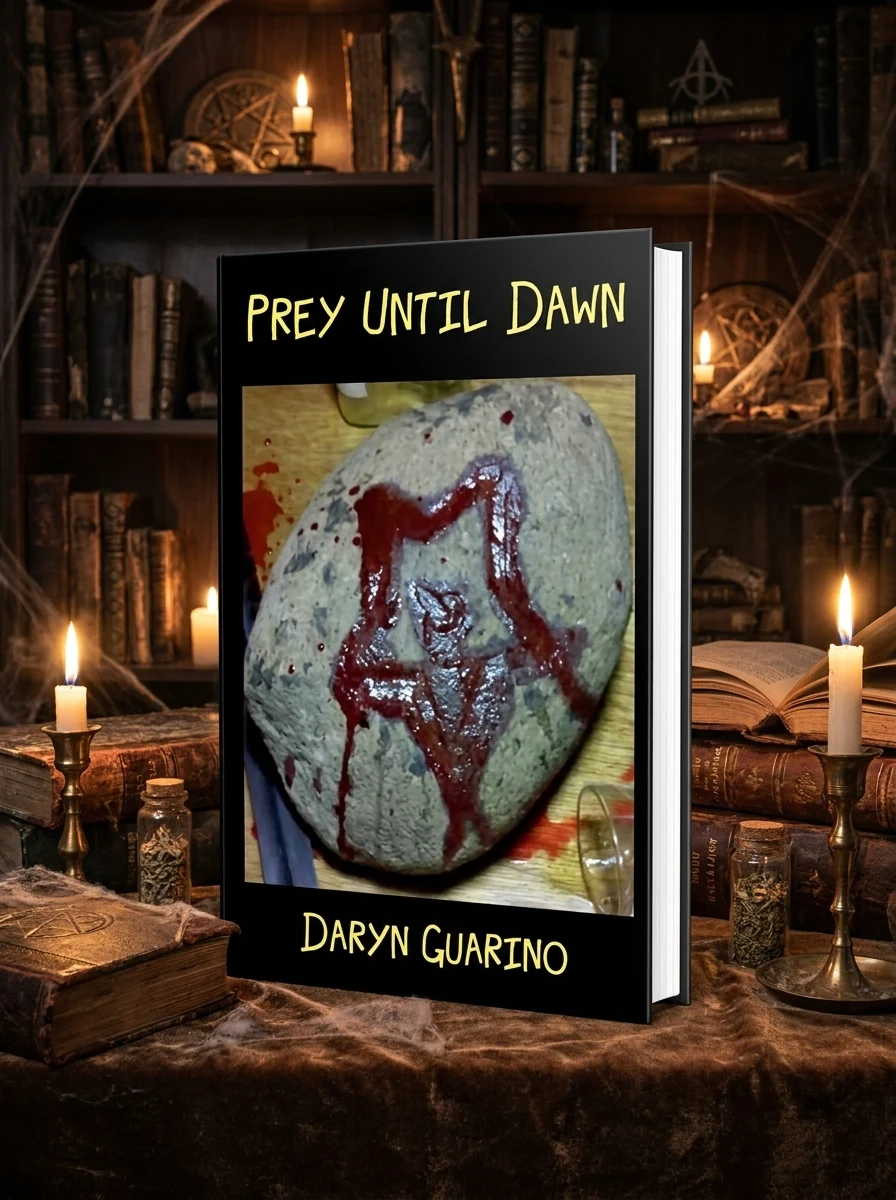
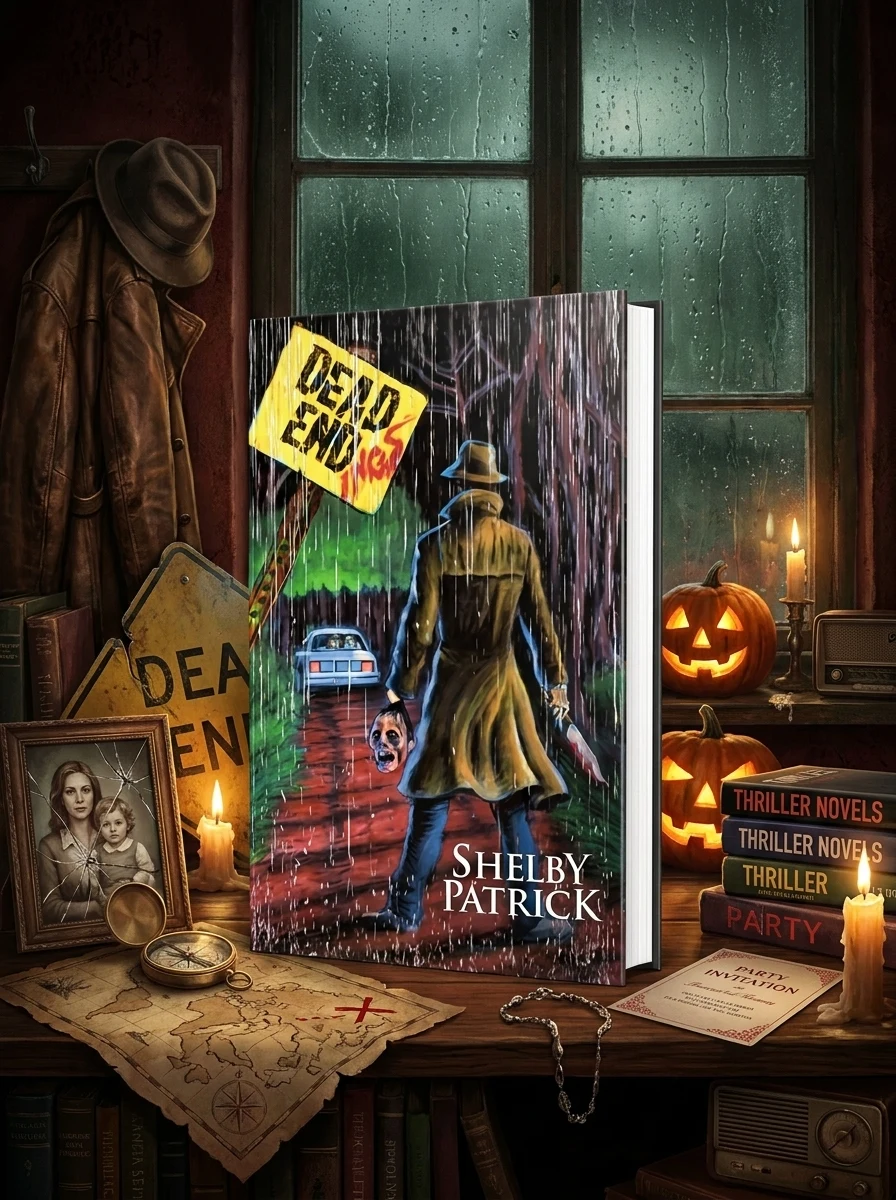
A thriller about a girl reliving her mother's tragic death on Halloween.
This work explores the psychological impact of trauma through the lens of a seasonal holiday. Aubrey Jameson’s reluctance to participate in festivities stems from a specific loss that occurred years ago. When she agrees to attend a social gathering, the plot shifts into a survival scenario. The narrative does not rely on ghosts or monsters but on human malice and fate. Patrick examines how past events can dictate future outcomes. The story highlights the vulnerability of teenagers and parents alike. It presents a stark view of Halloween as a time for danger rather than celebration. The characters must confront a stranger who seems to know their history. This approach creates a sense of inevitability that drives the tension forward.
The story is set in the United States and draws on the tradition of Halloween as a night of fear. It references the holiday's association with death and supernatural events. The narrative reflects American teen culture through school social dynamics and party invitations.


📝 Description: Dead Endings
💎 Our verdict on Dead Endings
📖 Why choose it
Why this book is worth reading
Readers seeking a tense, fast-paced thriller that explores the heavy psychological weight of trauma will find this book compelling. It appeals to those interested in stories where past tragedies dictate present dangers, offering a stark look at how family bonds are tested under extreme duress. The narrative’s focus on immediate survival and emotional resilience provides an intense experience for fans of suspenseful plots driven by fate rather than magic. It is ideal for individuals who prefer grounded horror that highlights human vulnerability and the inevitability of recurring pain, rather than those looking for lighthearted seasonal entertainment or complex historical analysis.
⭐ Reader reviews
Reader rating
This thriller effectively utilizes the Halloween setting to create an atmosphere of impending doom, focusing on human malice over supernatural elements. The narrative succeeds in building tension through a relentless pursuit and the theme of repeating history, keeping readers engaged with its steady pacing and high stakes. It is best suited for fans of psychological suspense who appreciate stories about family dynamics under pressure. While it lacks extensive world-building, its strength lies in emotional weight and straightforward fear. The conclusion’s emphasis on survival costs adds gravity to the experience, making it a solid choice for those enjoying intense, character-driven horror narratives that explore the dark side of familiar holidays.