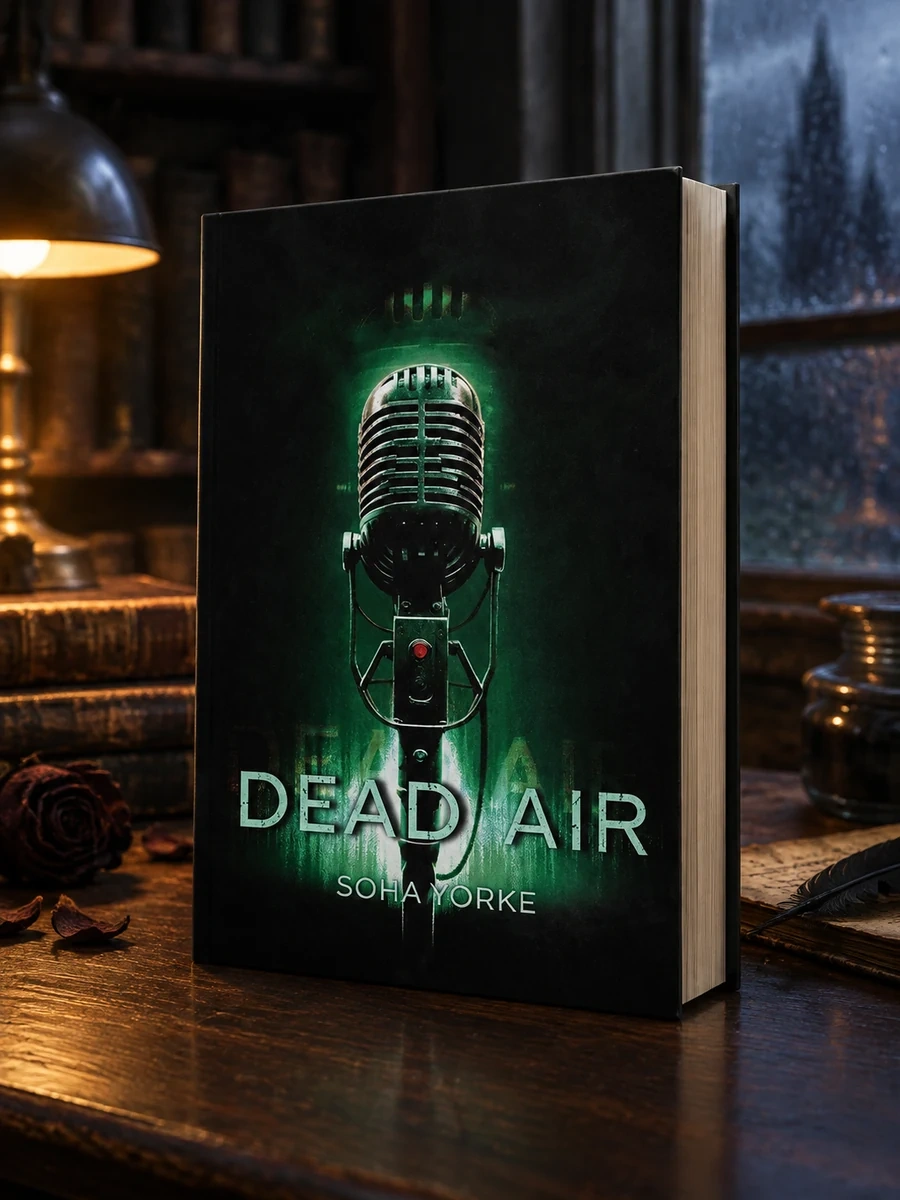
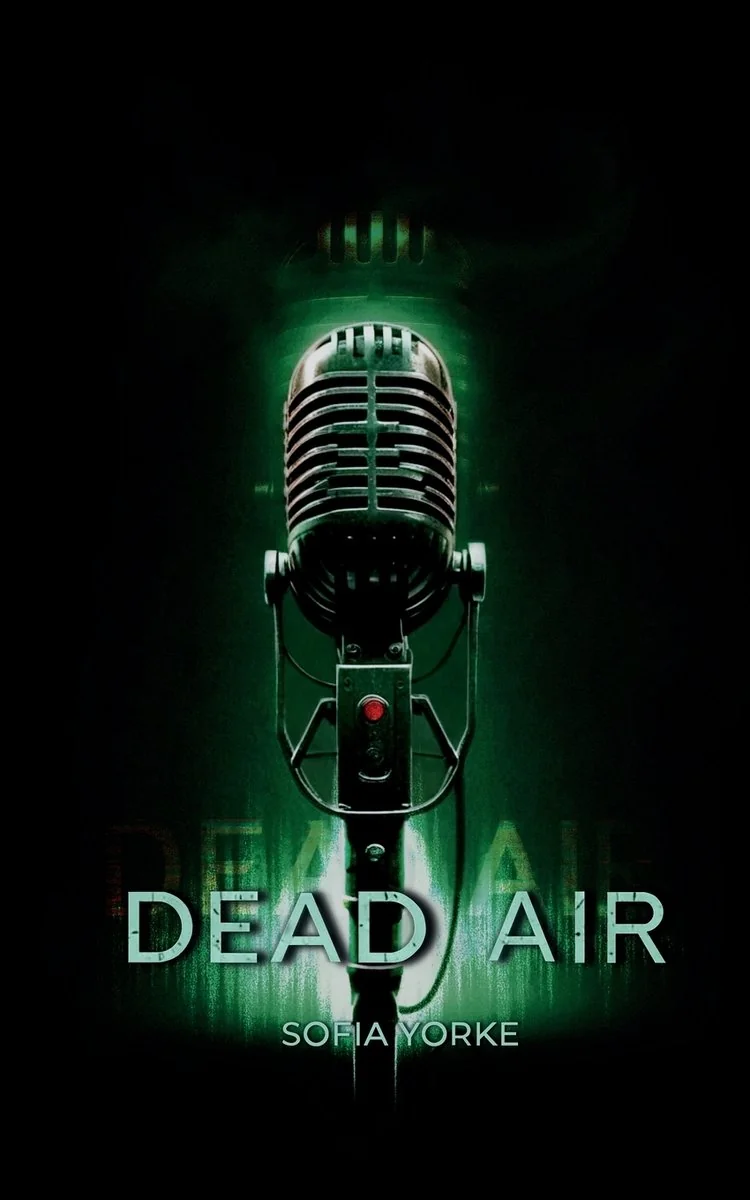
Dead Air
A debut novel about an ASMR artist haunted by sounds in her recordings
Yorke crafts a narrative where the protagonist’s professional tools become instruments of terror. Alina’s career depends on creating soothing soundscapes, yet these very mediums turn against her. The appearance of faces in audio visualizations signals a breach of her personal space. The anonymous follower represents a digital intrusion that mirrors supernatural threats. This combination of modern technology and ancient fears creates a unique horror experience. The story does not rely on gore but on the psychological impact of violated privacy. It asks what happens when our safe spaces are invaded by unknown watchers.
Published in 2025, this work sits within contemporary literary horror. It engages with modern anxieties about digital privacy and surveillance. The novel connects to the gothic tradition of haunted spaces while updating them for the internet age. It appeals to fans of writers like Catriona Ward who explore psychological dread through supernatural elements.


📝 Description: Dead Air
💎 Our verdict on Dead Air
📖 Why choose it
Why this book is worth reading
Readers who appreciate slow-burn atmospheric dread and the psychological unraveling of a protagonist will find this novel deeply compelling. It offers a unique horror experience by transforming professional tools into instruments of terror, appealing to those fascinated by the intersection of modern technology and ancient fears. The book is ideal for audiences seeking literary horror that prioritizes the impact of violated privacy over gore or traditional jump scares. Those who enjoy narratives exploring isolation, obsession, and the distortion of perception through digital mediums will gain a profound sense of unease and intellectual engagement from this debut work.
⭐ Reader reviews
Reader rating
Sofia Yorke crafts a chilling narrative where silence becomes a terrifying presence, effectively blurring the boundary between intimacy and violation. The novel excels in creating a slow-burn atmosphere that relies on psychological dread rather than external monsters or fast-paced action. By having faces emerge within spectrograms, Yorke illustrates how digital intrusion mirrors supernatural threats, making the protagonist's safe spaces feel invaded. This literary horror suits readers who appreciate the works of Catriona Ward and Mariana Enriquez. It draws on gothic traditions while examining how isolation distorts perception, offering a sophisticated exploration of being heard by an unseen entity.
You might also like
See more →







Have a question about this item?
Ask about the edition, condition, delivery or anything else — we reply by email or phone, usually within a day.
