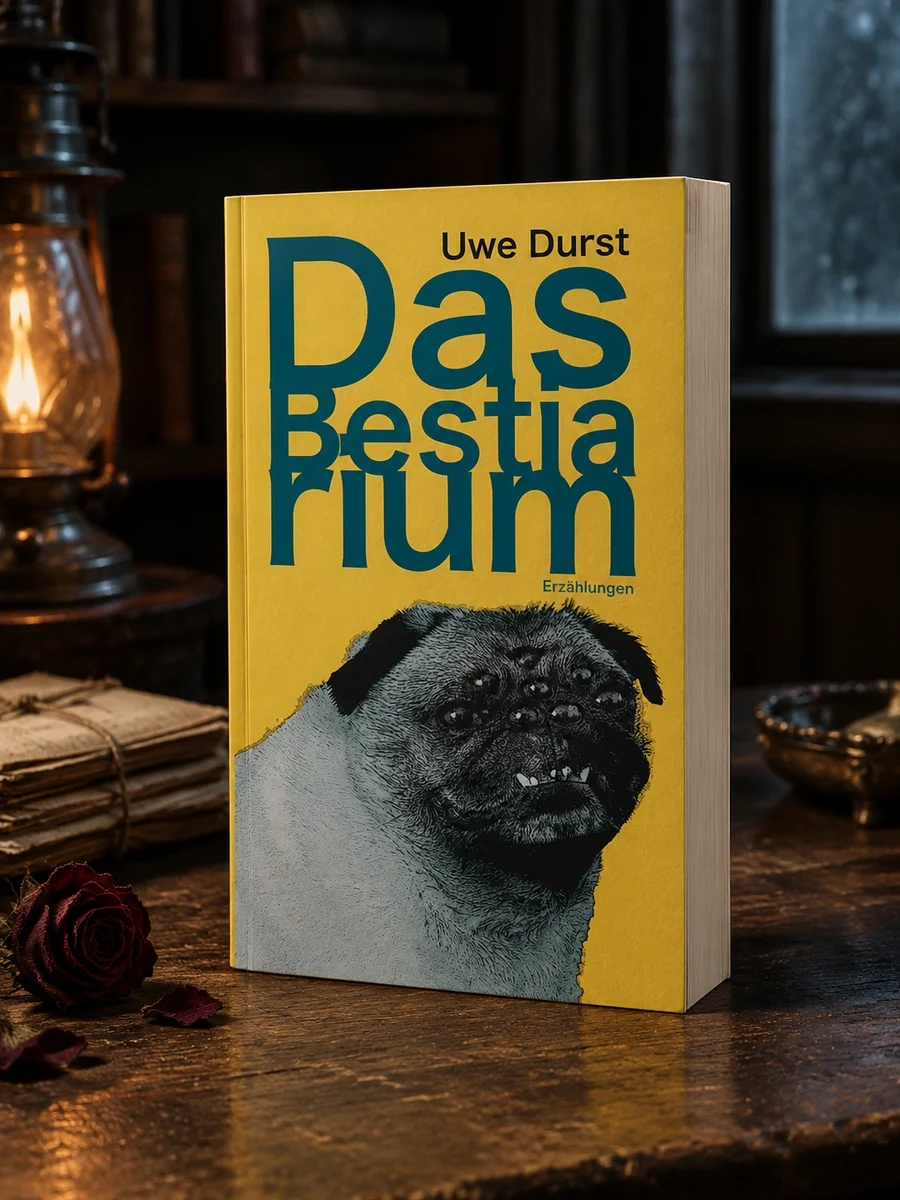
Das Bestiarium: Erzahlungen
Ten stories exploring divine wrath and ecclesiastical fear in German supernatural fiction.
Durst’s collection examines the fragility of human life when faced with an angry god. The narrative voice reflects a community that must constantly appease religious figures to avoid punishment. The stories illustrate how faith can become a source of terror rather than comfort. Durst uses simple, direct prose to convey this dread. The focus remains on the immediate consequences of divine anger. There is no escape from the established order. The tales serve as warnings about the cost of living in a world governed by malicious spiritual forces.
Published in Germany by Bod in 2023, this work fits within the tradition of German supernatural fiction. It engages with Christian theological concepts and the cultural weight of religious authority. The stories reflect a specific European literary approach to horror that emphasizes spiritual dread over physical threat.


📝 Description: Das Bestiarium: Erzahlungen
💎 Our verdict on Das Bestiarium: Erzahlungen
📖 Why choose it
Why this book is worth reading
Readers who appreciate atmospheric horror grounded in theological anxiety will find this collection compelling. It appeals to those interested in German-language supernatural fiction and the exploration of faith as a source of dread. The book offers a unique perspective on divine caprice, where ordinary people navigate a world governed by malicious spiritual forces. Those seeking fast-paced action or secular horror may find the pace slow, but fans of gothic traditions emphasizing human vulnerability will appreciate the focus on immediate consequences. It serves as a chilling warning about living under a capricious deity, providing lingering unease rather than redemption or clear moral lessons for the discerning horror enthusiast.
⭐ Reader reviews
Reader rating
Uwe Durst’s Das Bestiarium delivers ten distinct tales bound by a central theme of ecclesiastical fear and divine displeasure. The author effectively uses simple, direct prose to convey deep dread, focusing on the fragility of human life against an angry god. By portraying God as petty and malicious, Durst shifts the narrative from traditional monster lore to theological tension. Signs like perishing livestock and rotting fruit signal supernatural wrath, creating a palpable sense of helplessness. This volume suits readers who enjoy psychological terror rooted in faith rather than physical threats. It avoids redemption, ending with lingering unease that lingers long after the final page, making it ideal for those drawn to gothic horror and theological anxiety.
📖 Read on the blog
✍️ More books by this author Uwe Durst


🏛 Books from this publisher Bod - Books on Demand


You might also like
See more →

Have a question about this item?
Ask about the edition, condition, delivery or anything else — we reply by email or phone, usually within a day.
