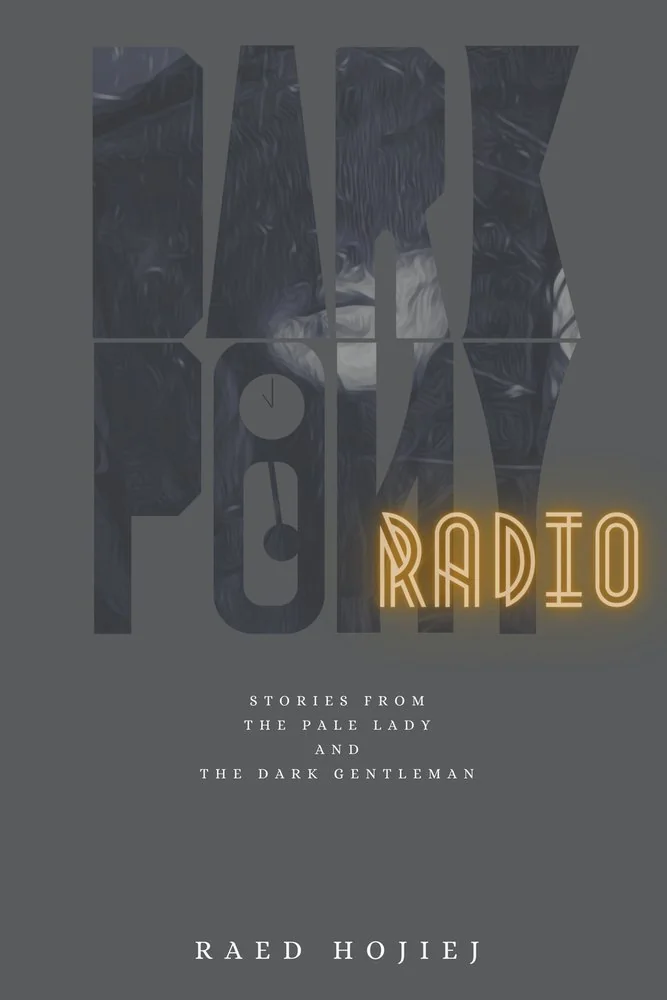
Dark Pony Radio
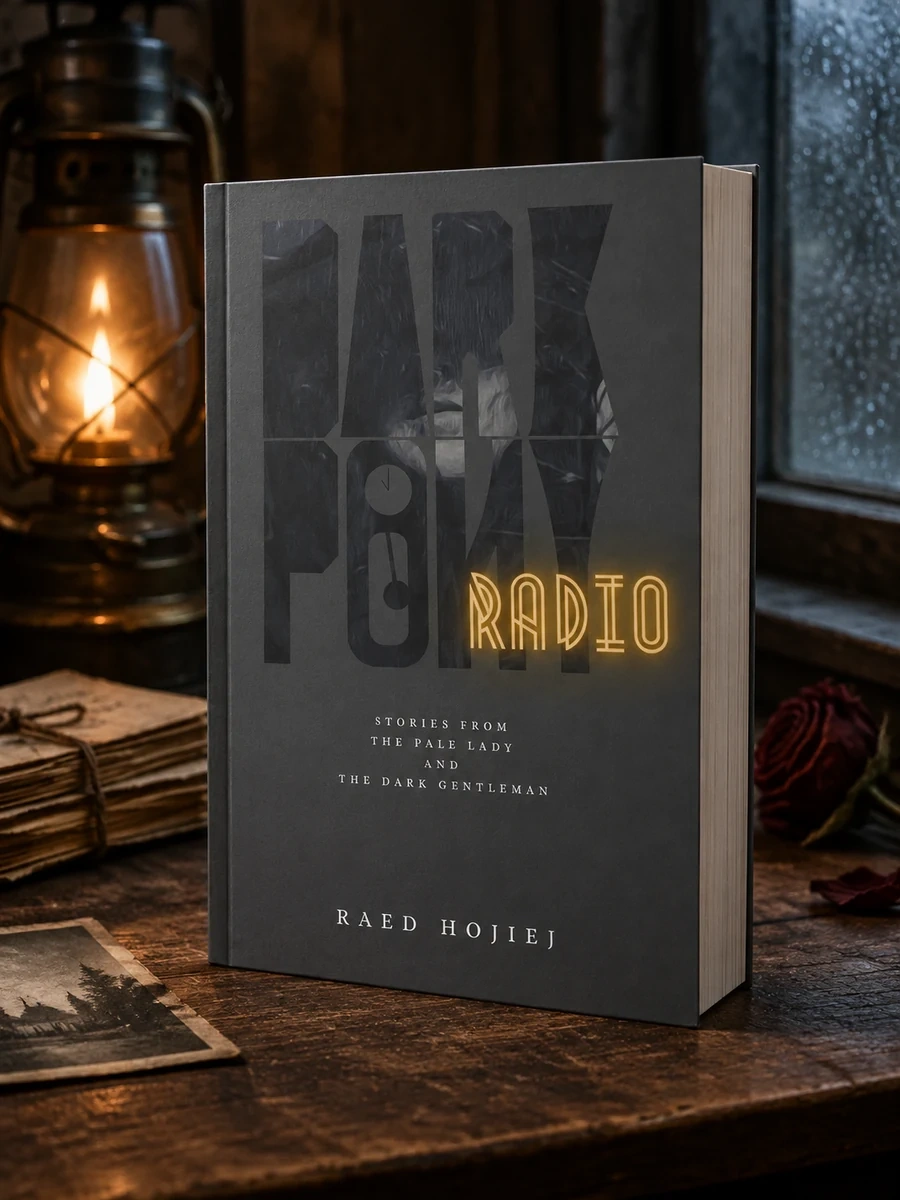
A collection of scripts and photos featuring the Pale Lady and Dark Gentleman.
This volume compiles the scripted adaptations associated with the Pale Lady and Dark Gentleman. It includes photographs alongside additional scripts that were not performed, offering a deeper look into the production of The Dark Pony Radio Show. Raed Hojiej arranges these materials to reveal a larger plan set forth by these mystical beings. The book invites readers to view themselves as part of an ancient cyclical ritual rather than passive observers. It appeals to those interested in the mechanics of radio performance and the lore surrounding these characters. The text avoids traditional storytelling, focusing instead on the accumulation of artifacts from the show’s universe. Readers will find a mix of visual and textual elements that expand the mythology of the series.
Published in 2023 by Raed Hojiej, this book sits within the tradition of classic radio shows. It draws on the aesthetic and format of supernatural fiction, specifically targeting fans of that period. The work reflects the enduring appeal of audio drama adaptations for modern readers interested in gothic themes.


📝 Description: Dark Pony Radio
💎 Our verdict on Dark Pony Radio
📖 Why choose it
Why this book is worth reading
Readers drawn to the mechanics of radio performance and the lore surrounding mystical entities will find this volume uniquely rewarding. It appeals to those who appreciate the accumulation of artifacts over traditional narrative arcs, offering a deeper immersion into the mythology of the Pale Lady and Dark Gentleman. Fans of gothic and supernatural fiction who enjoy unconventional formats will gain from the ritualistic framing that invites participation rather than observation. This book suits collectors of niche horror literature seeking raw components of a larger plan set forth by enigmatic beings, providing a cohesive yet fragmented experience for those willing to engage with its visual and textual elements.
⭐ Reader reviews
Reader rating
Hojiej succeeds in creating an immersive artifact that blurs the line between documentation and incantation. The collection effectively utilizes scripts and unpublished photographs to expand the mythology of the Dark Pony Radio Show without relying on conventional plot progression. This approach suits readers who enjoy dissecting the mechanics of horror and those interested in the eerie aesthetics of classic radio drama. By presenting materials as parts of an ancient cyclical ritual, the book transforms passive reading into an active, albeit unsettling, engagement with its lore. It is a compelling choice for enthusiasts of cosmic and psychological horror who value atmosphere and conceptual depth over straightforward storytelling.