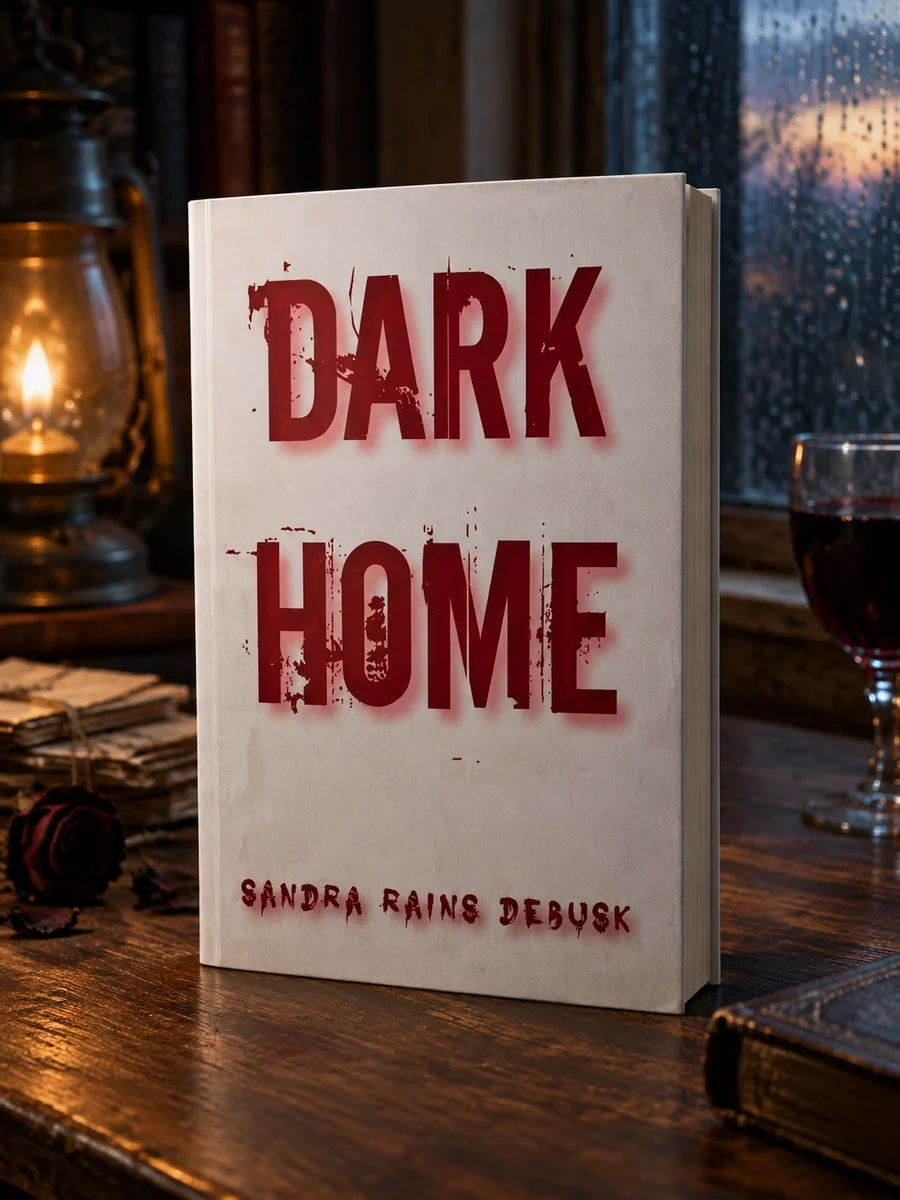
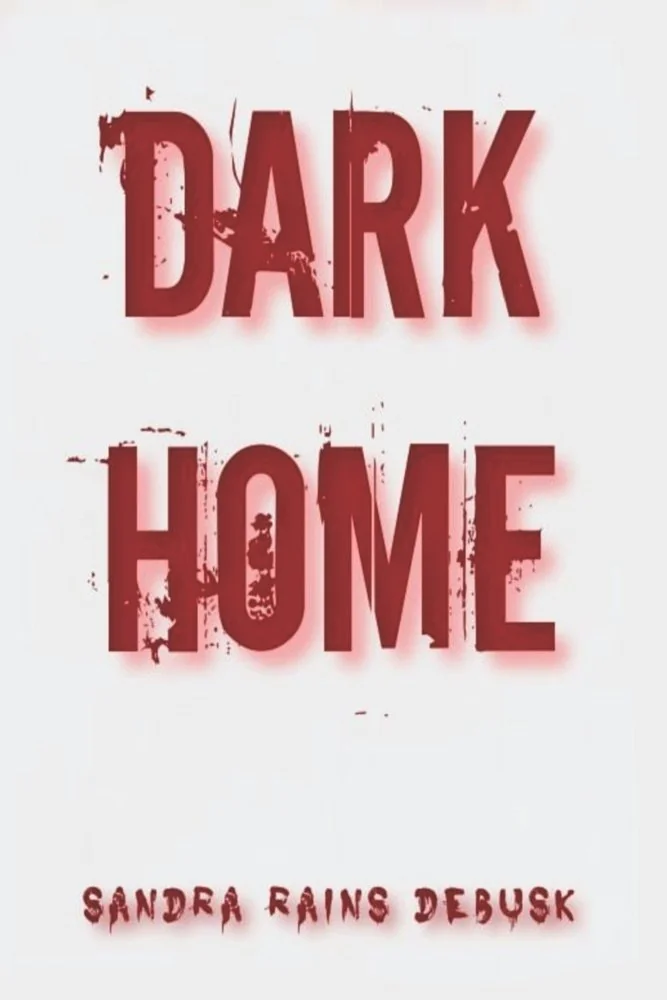
Dark Home
A newlywed couple inherits a haunted Georgian mansion built atop a soldier's graveyard.
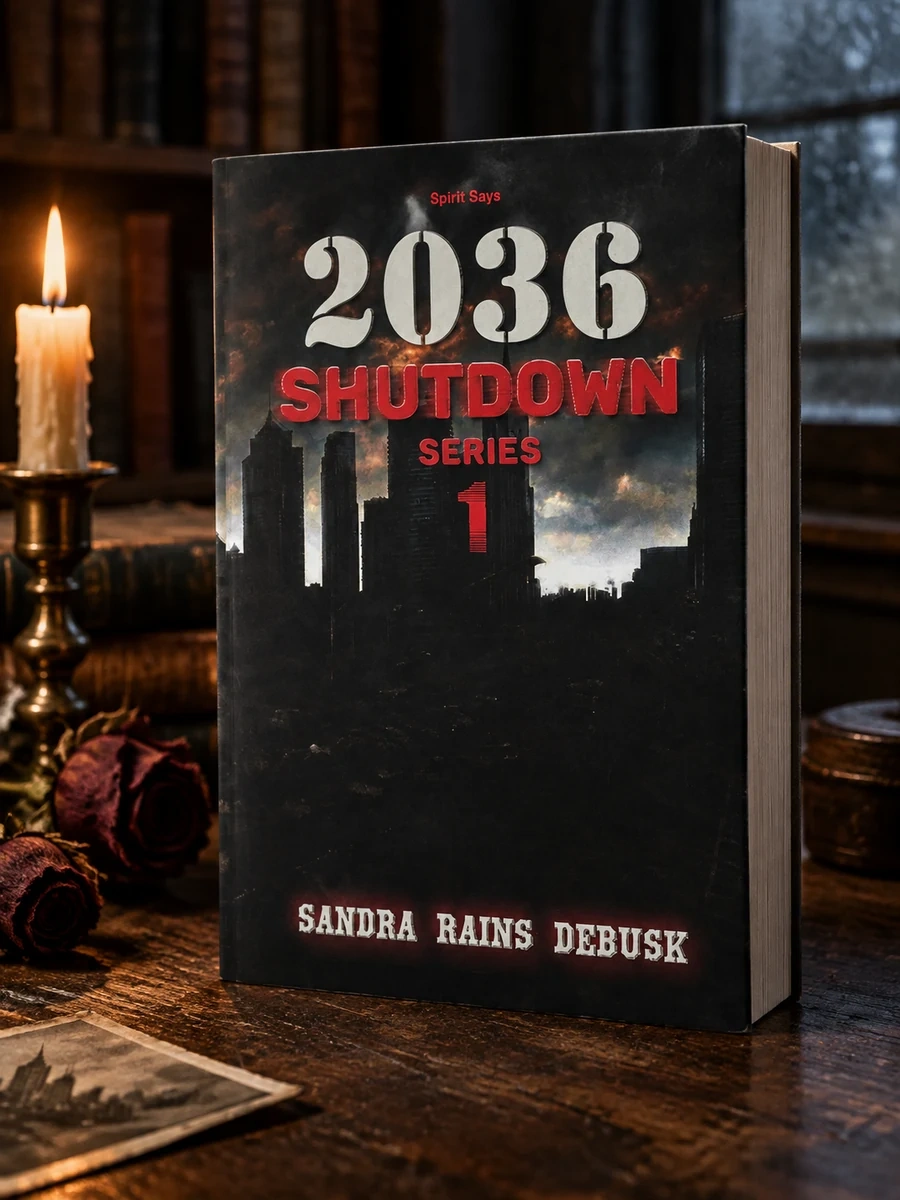
Debusk explores the intersection of historical conflict and supernatural horror in this tale. The narrative begins with the aftermath of an eighteenth-century war, where many brave fighters were buried near where they fell. Time has passed, yet the land retains its dark energy. The Rothsman couple chooses to build their life on this specific plot, assuming the past is dead. Their decision proves fatal to their peace of mind. The spirits do not remain in the earth but move into the structure above. This shift creates a claustrophobic atmosphere for the residents. The book focuses on the psychological and physical toll of living with these entities. It offers a glimpse into how historical trauma can manifest in present-day horror. Readers interested in the mechanics of haunting will find this account detailed.
The story is set in Georgia, USA, during and after the eighteenth century. This period was marked by war and significant loss of life. The town remains forgotten by time, allowing the buried dead to linger. The setting provides a backdrop for supernatural events that defy natural explanation.


📝 Description: Dark Home
💎 Our verdict on Dark Home
📖 Why choose it
Why this book is worth reading
Readers seeking a claustrophobic exploration of how historical trauma manifests in the present will find value in this narrative. The book appeals to those interested in the mechanics of haunting and the psychological toll of domestic life disrupted by spectral intrusion. It offers a detailed account for fans of classic ghost stories where the house itself functions as a primary character. Those who enjoy tales of newlyweds confronting fatal consequences due to ignorance of local history will appreciate the tension between peace and supernatural chaos.
⭐ Reader reviews
Reader rating
Debusk effectively constructs a tense atmosphere by merging domestic drama with spectral horror. The narrative excels in depicting the escalation of supernatural activity within the mansion, treating the building as a living entity. The focus on the Rothsman couple’s psychological unraveling provides depth to the standard haunted house trope. This book suits readers who appreciate gothic traditions and historical conflict themes over modern thriller pacing. It delivers a chilling examination of how the past refuses to remain buried, offering a compelling, if unresolved, look at the intersection of war history and ghostly retribution.