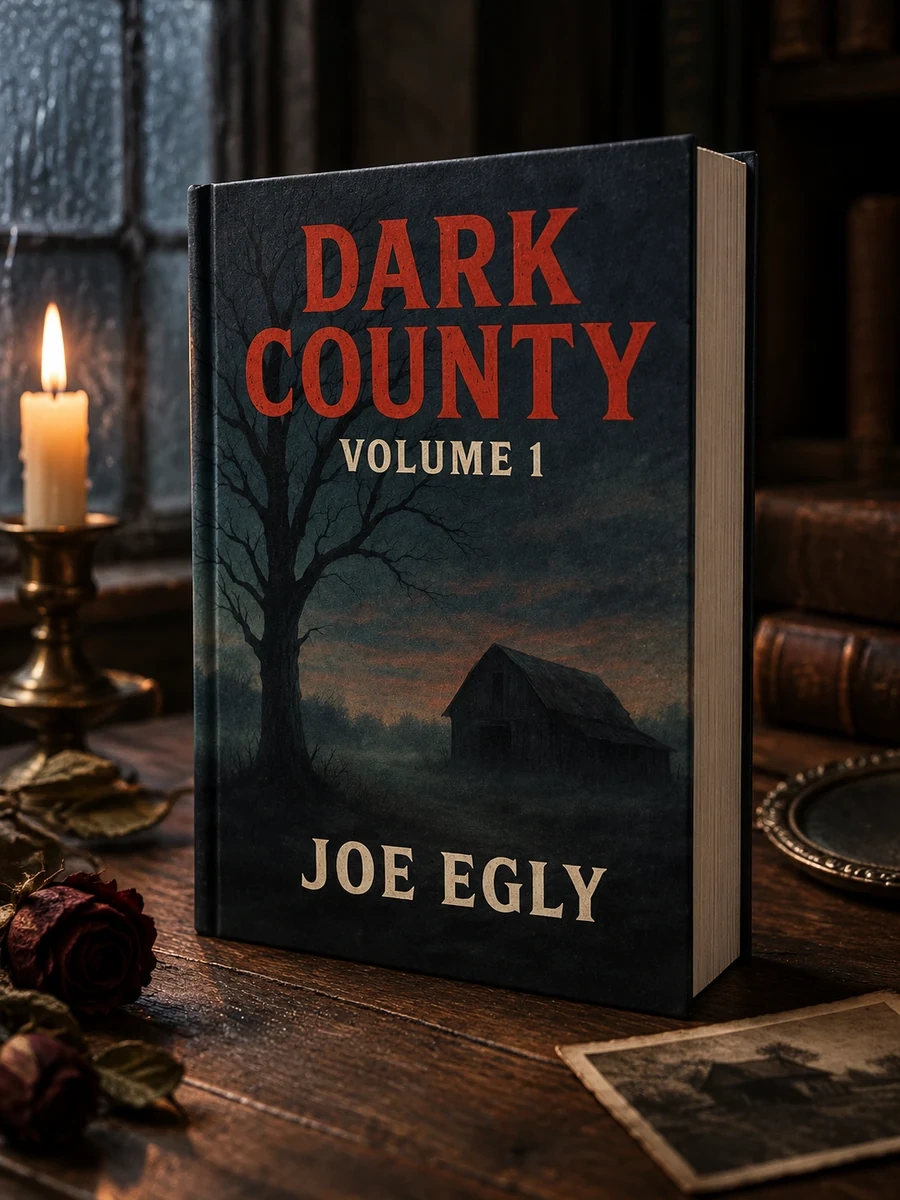
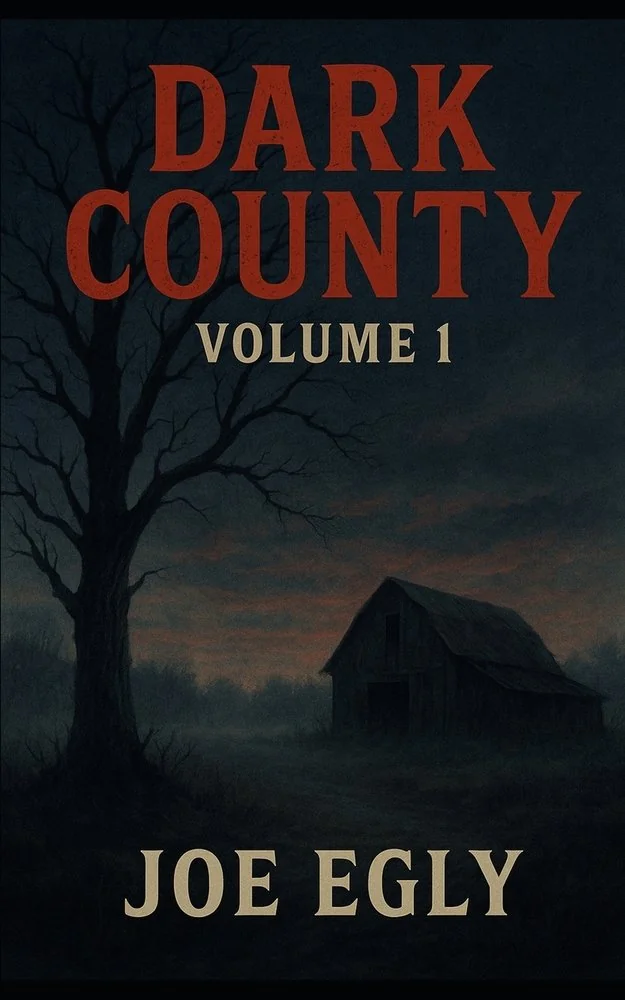
Dark County: A collection of four tales of terror.
A compact collection of four midwestern horror tales by J L Egly.
Egly structures this work around four specific incidents that highlight the dangers of Dark County. The text examines a nurse facing an unknown threat, a baby’s cry that signals danger, and a youth who suffers for touching forbidden elements. These stories draw on regional folklore traditions where the land is haunted by past sins. The author does not provide extensive background lore but instead drops readers directly into moments of crisis. This method creates a sense of immediacy and confusion for the characters. The collection emphasizes the consequence of curiosity in a place where the dead are said to reside. It offers a focused look at how ordinary people encounter extraordinary evil in their daily lives.
The book is published by Createspace Independent Publishing Platform and released on October 29, 2010. It sits within the tradition of midwestern gothic fiction, where rural settings become sites of supernatural horror. The work reflects a period of independent publishing that allowed niche horror voices to reach audiences without major house backing.


📝 Description: Dark County: A collection of four tales of terror.
💎 Our verdict on Dark County: A collection of four tales of terror.
📖 Why choose it
Why this book is worth reading
Readers who prefer atmospheric, short-form horror will find this collection compelling due to its focus on immediate terror rather than sprawling plots. It appeals to those interested in the midwestern gothic tradition, where ordinary people encounter extraordinary evil in their daily lives. The book is ideal for fans of stories that rely on curiosity and consequence, offering a raw fear of the unknown without unnecessary exposition. It suits audiences seeking intimate encounters with the uncanny within a cursed geography.
⭐ Reader reviews
Reader rating
Egly delivers a focused exploration of midwestern gothic horror through four distinct tales that emphasize atmosphere over complex character development. The narrative structure effectively builds a cumulative sense of unease by dropping readers directly into moments of crisis, such as a nurse facing an unknown threat or the unsettling sound of a baby crying in an empty house. This approach creates immediacy and confusion for both characters and audience. While it lacks historical depth or epic battles, it succeeds in highlighting the vulnerability of ordinary individuals against forces beyond comprehension. It is best suited for readers who appreciate localized legends and direct, unadorned storytelling that prioritizes dread over plot complexity.
📖 Read on the blog
🏛 Books from this publisher Createspace Independent Publishing Platform



You might also like
See more →

Have a question about this item?
Ask about the edition, condition, delivery or anything else — we reply by email or phone, usually within a day.
