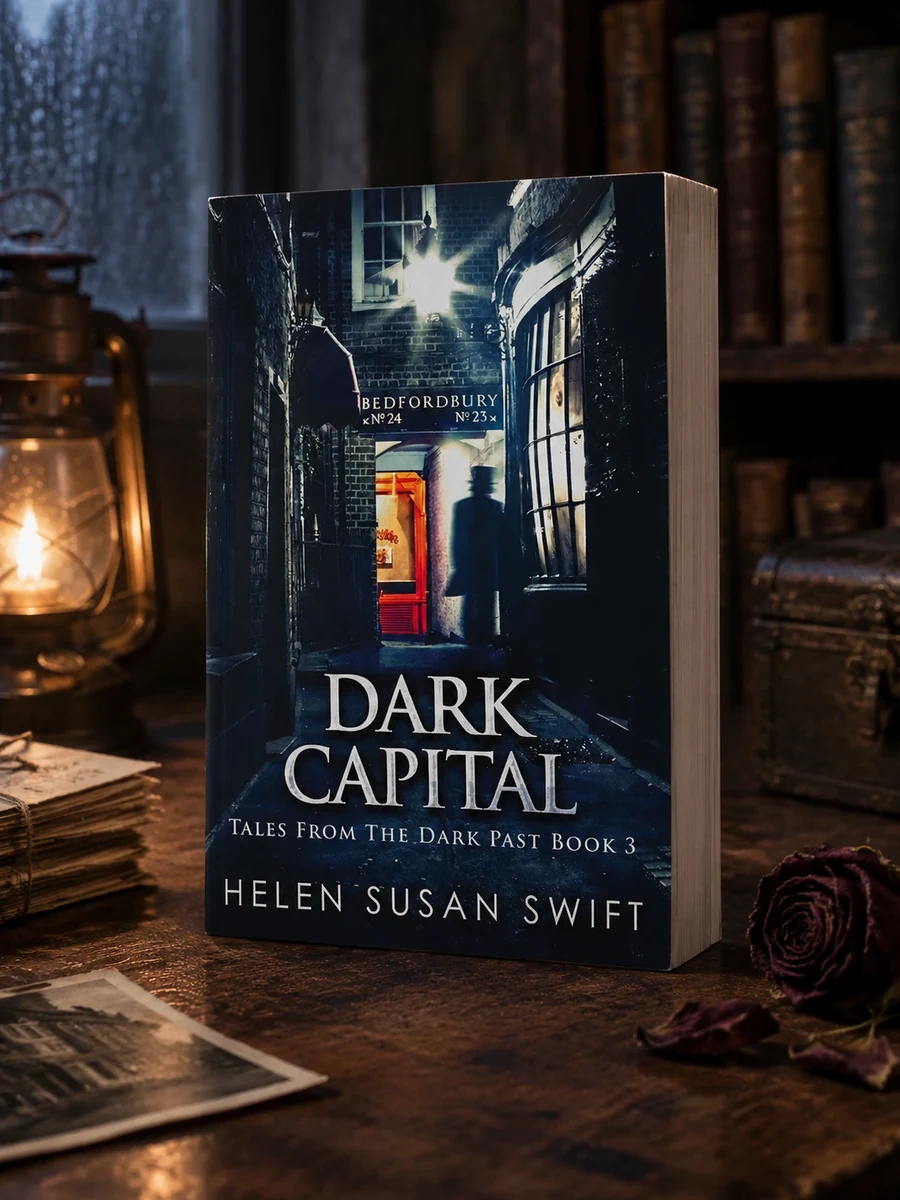
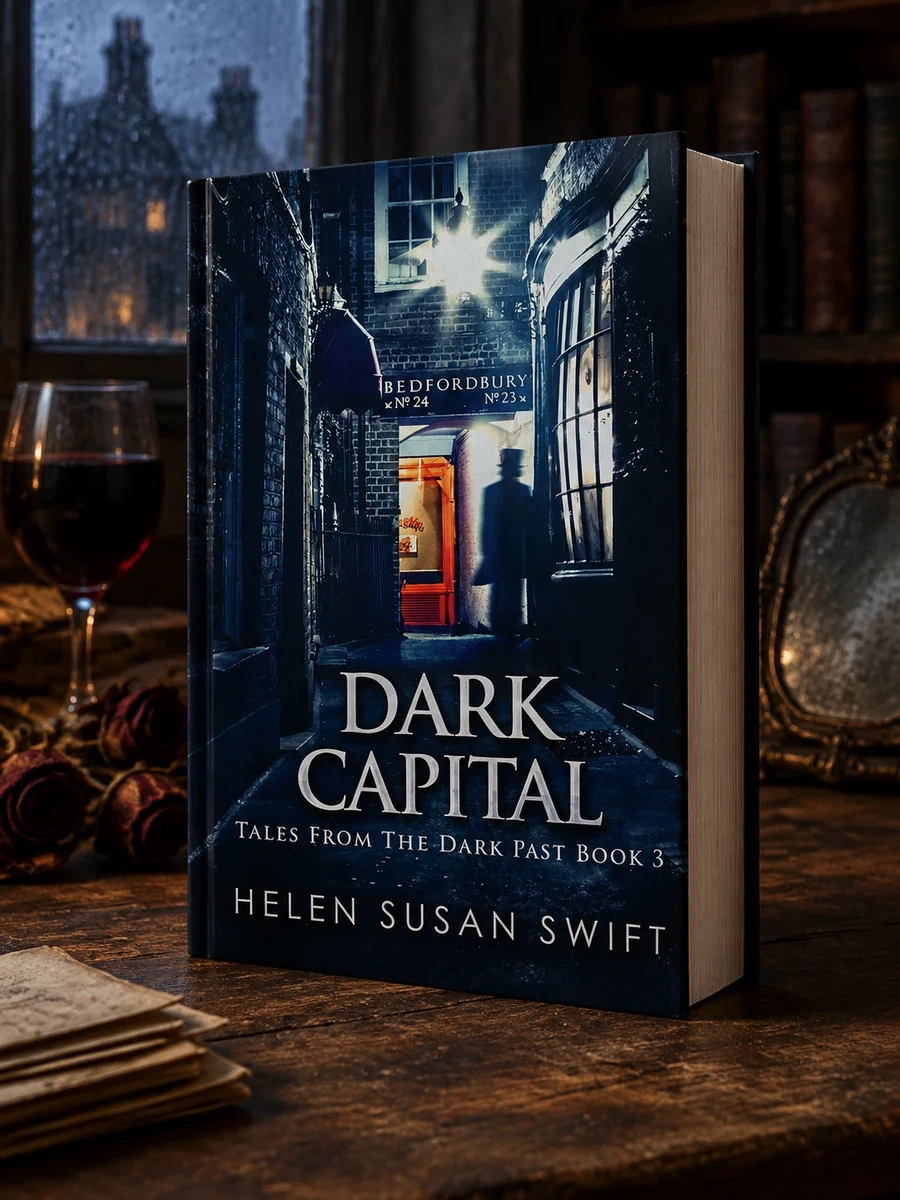
Dark Capital
A doctor faces haunted houses and a cursed staff in 1820s Edinburgh.
Swift explores the psychological toll of medical practice in a city rife with spectral activity. Doctor Martin Elliot’s professional duties intersect with his personal terror as he encounters remnants of death that refuse to stay buried. The narrative does not shy away from the grim reality of the Old Town while contrasting it with the refined atmosphere of the New Town. This juxtaposition highlights the pervasive nature of the evil Martin faces. The carved staff becomes a crucial plot device, offering respite but demanding a price. Readers interested in character-driven horror set against a specific historical backdrop will find this compelling. It avoids modern tropes, relying instead on atmospheric dread and moral ambiguity to drive the tension forward.
Set in Edinburgh during the 1820s, the book draws on the historical divide between the Old Town and New Town. It utilizes gothic traditions involving ghosts and supernatural relics to explore the era's social stratification and hidden darkness.


📝 Description: Dark Capital
💎 Our verdict on Dark Capital
📖 Why choose it
Why this book is worth reading
Readers who appreciate atmospheric dread and psychological horror set against rich historical backdrops will find this title compelling. It appeals to those interested in the intersection of medical practice and supernatural terror, offering a character-driven narrative that avoids modern tropes in favor of moral ambiguity. The story is ideal for fans of gothic fiction who enjoy exploring the toll of professional duty amidst spectral unrest. By focusing on the internal struggles of Doctor Martin Elliot rather than external action, it provides a nuanced look at evil’s pervasive nature. Those seeking a standalone novel that blends historical detail with supernatural elements without prior series knowledge will gain from its immersive tone and thematic depth.
⭐ Reader reviews
Reader rating
Swift delivers a masterclass in atmospheric tension, effectively contrasting Edinburgh’s elegant New Town with the grim reality of the Old Town. The narrative succeeds by grounding supernatural horror in the psychological toll of medical practice, creating a sense of pervasive evil that feels both historical and timeless. The carved staff serves as a potent symbol of power and burden, driving the plot through moral ambiguity rather than cheap scares. This approach suits readers who prefer slow-burn dread over jump scares. While the focus remains tightly on Martin Elliot’s internal conflict, the setting provides a vivid backdrop for exploring spiritual duality. It is a refined entry in the gothic genre, prioritizing character depth and historical texture to create a lingering sense of unease that resonates long after the final page.
📖 Read on the blog
📖 From the series “Tales from the Dark Past”




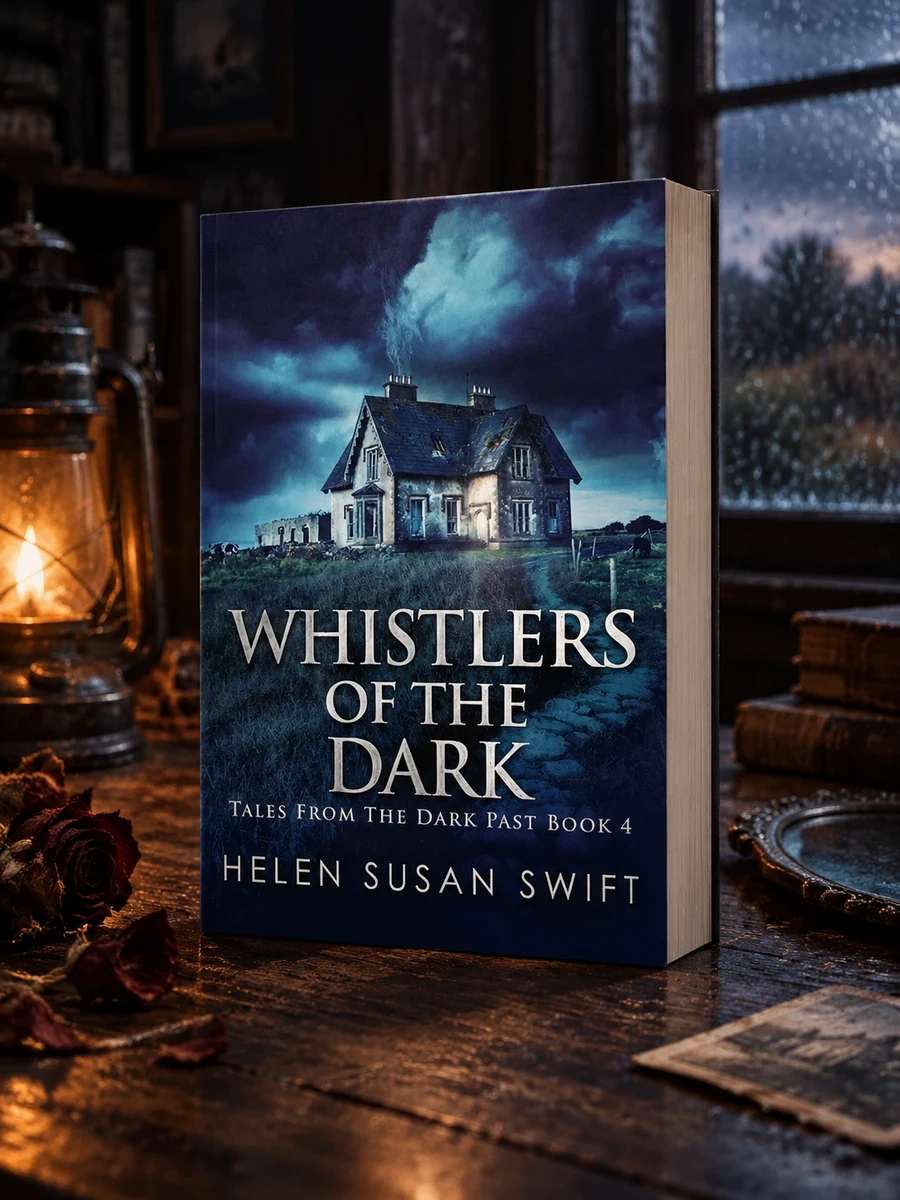

✍️ More books by this author Helen Susan Swift
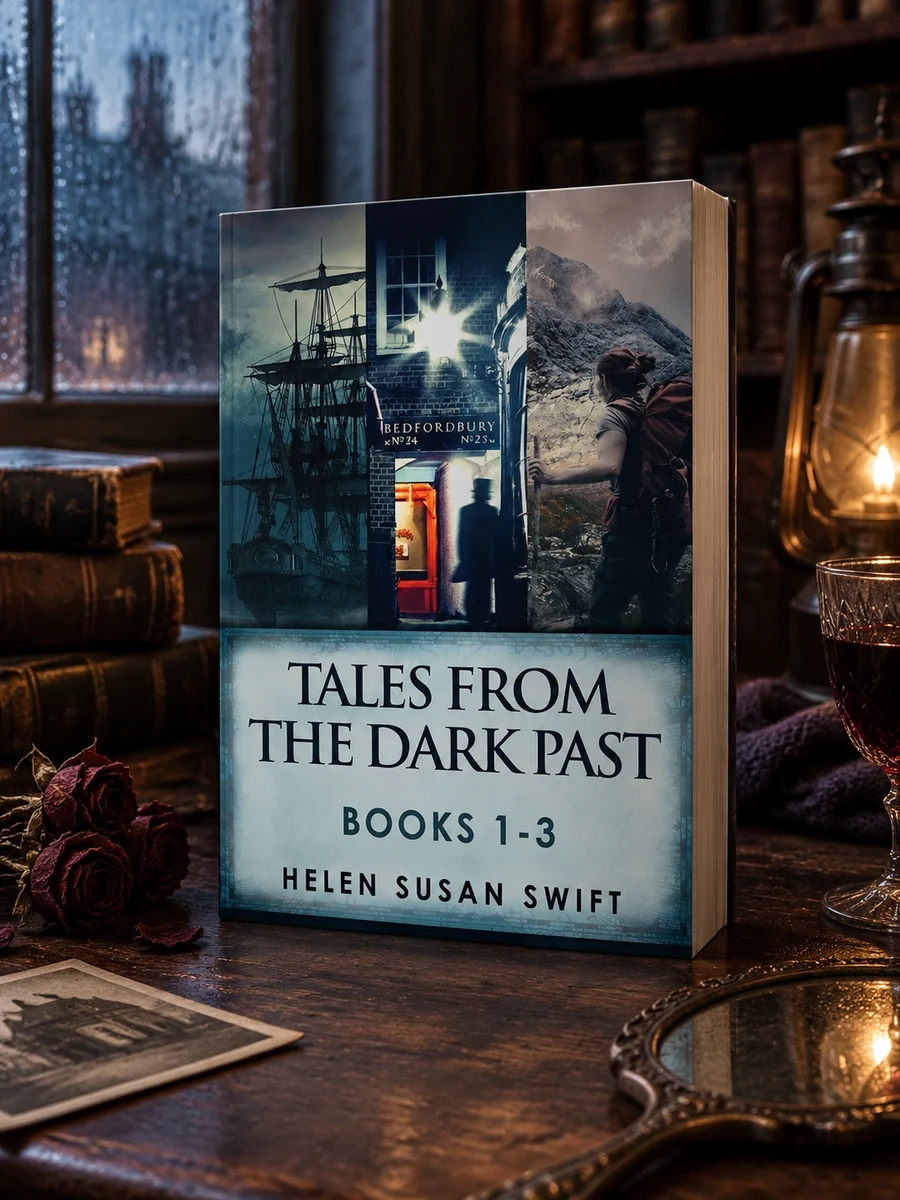
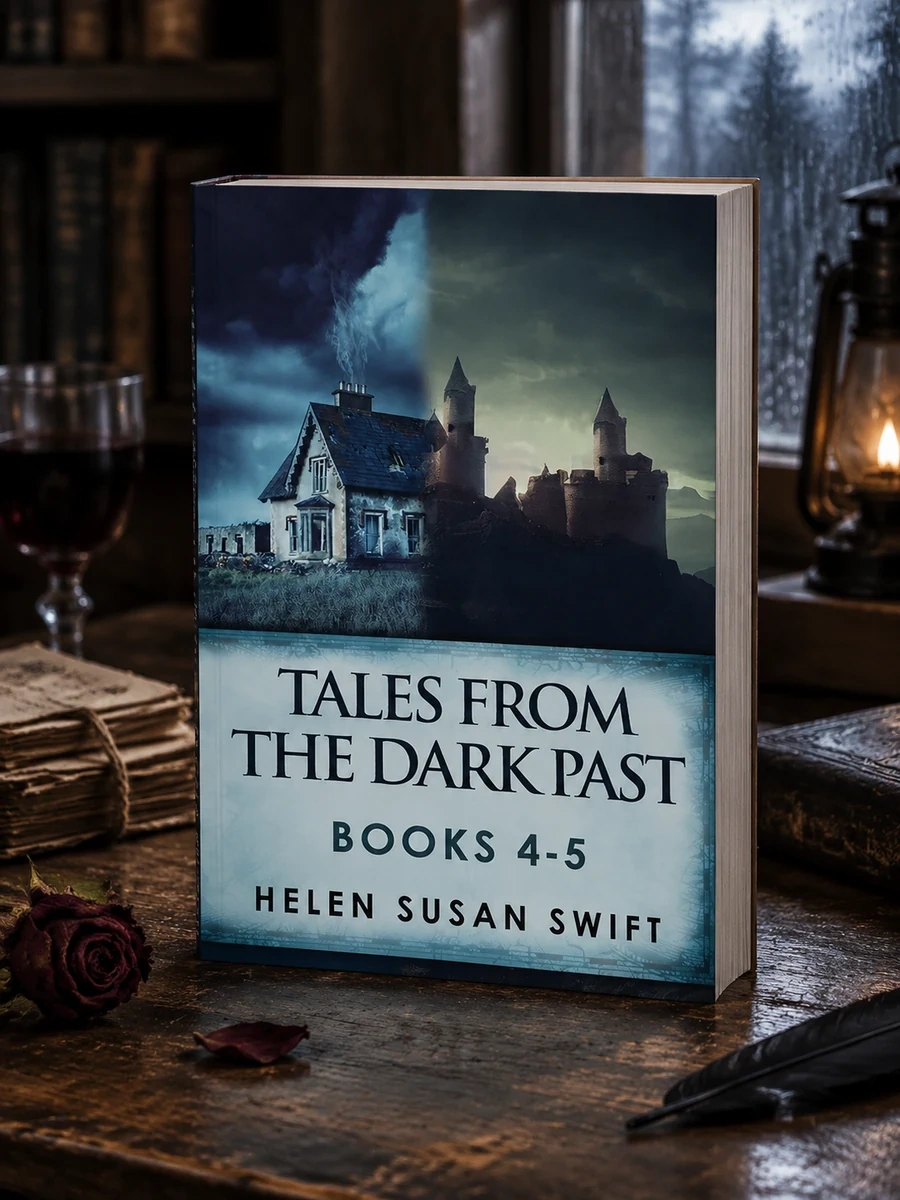
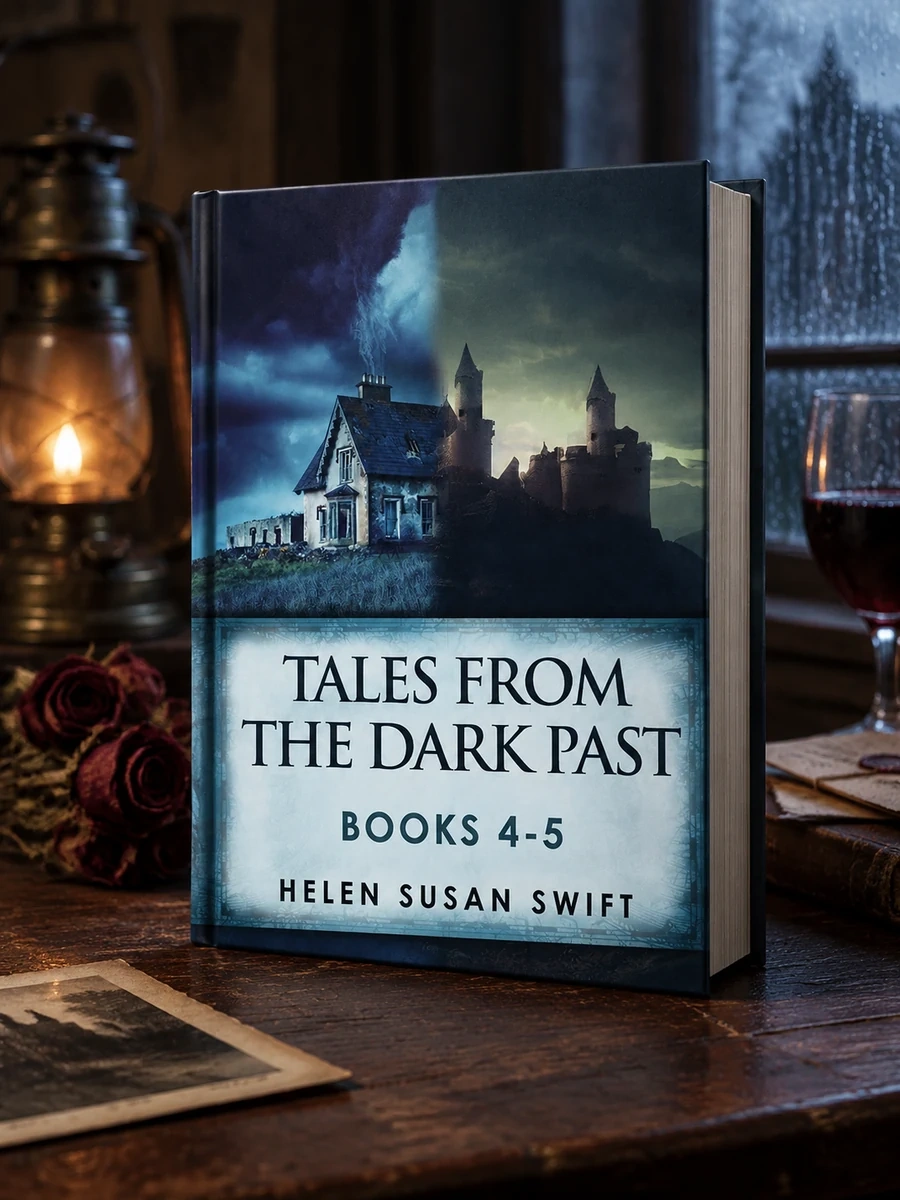
🏛 Books from this publisher Next Chapter
You might also like
See more →


Have a question about this item?
Ask about the edition, condition, delivery or anything else — we reply by email or phone, usually within a day.
