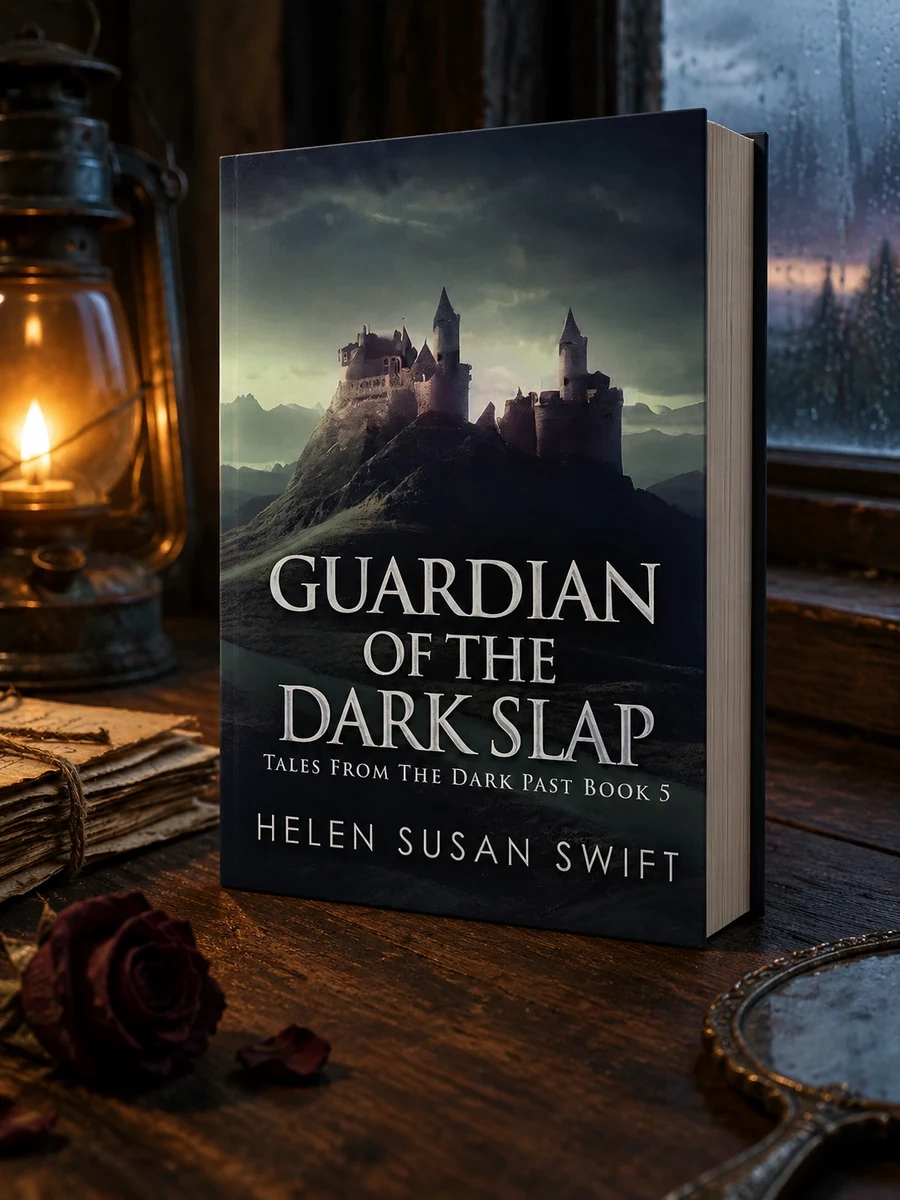
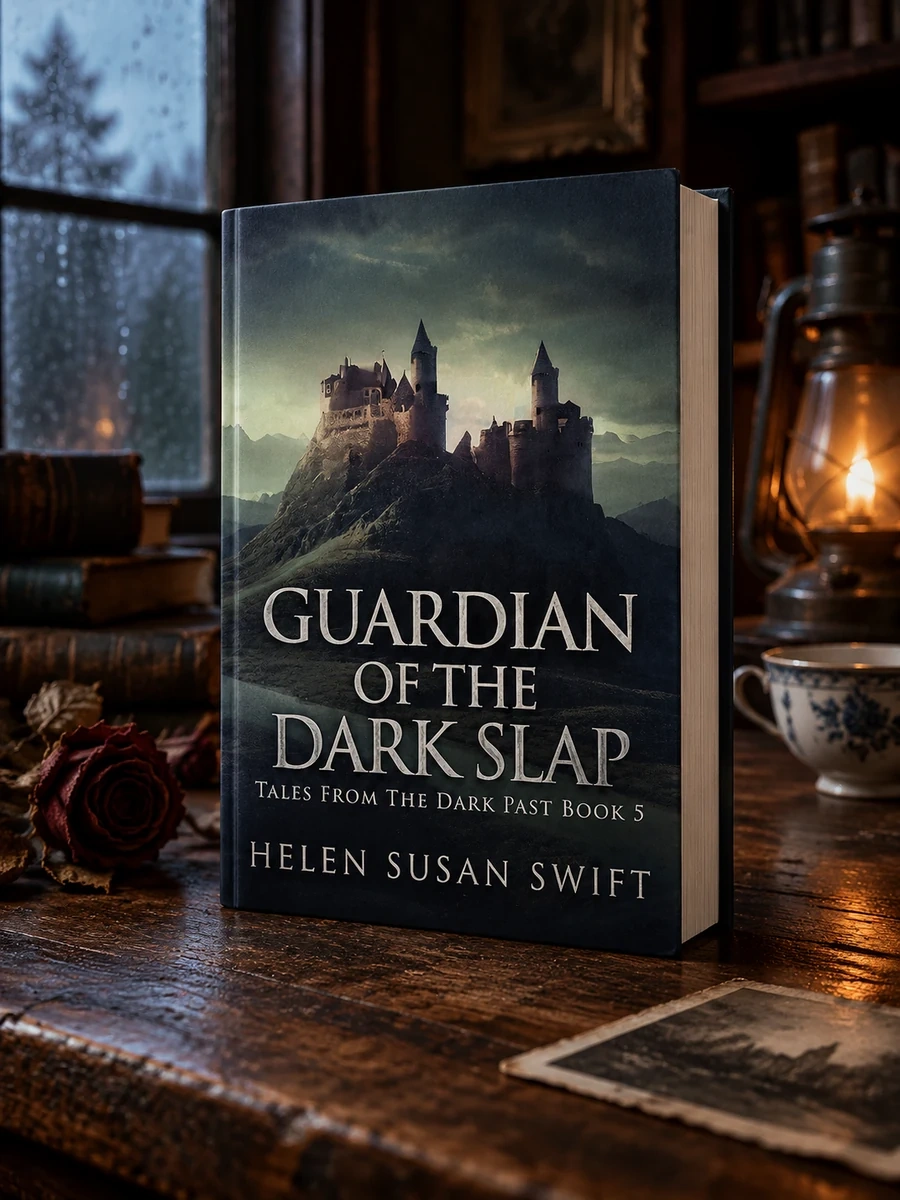
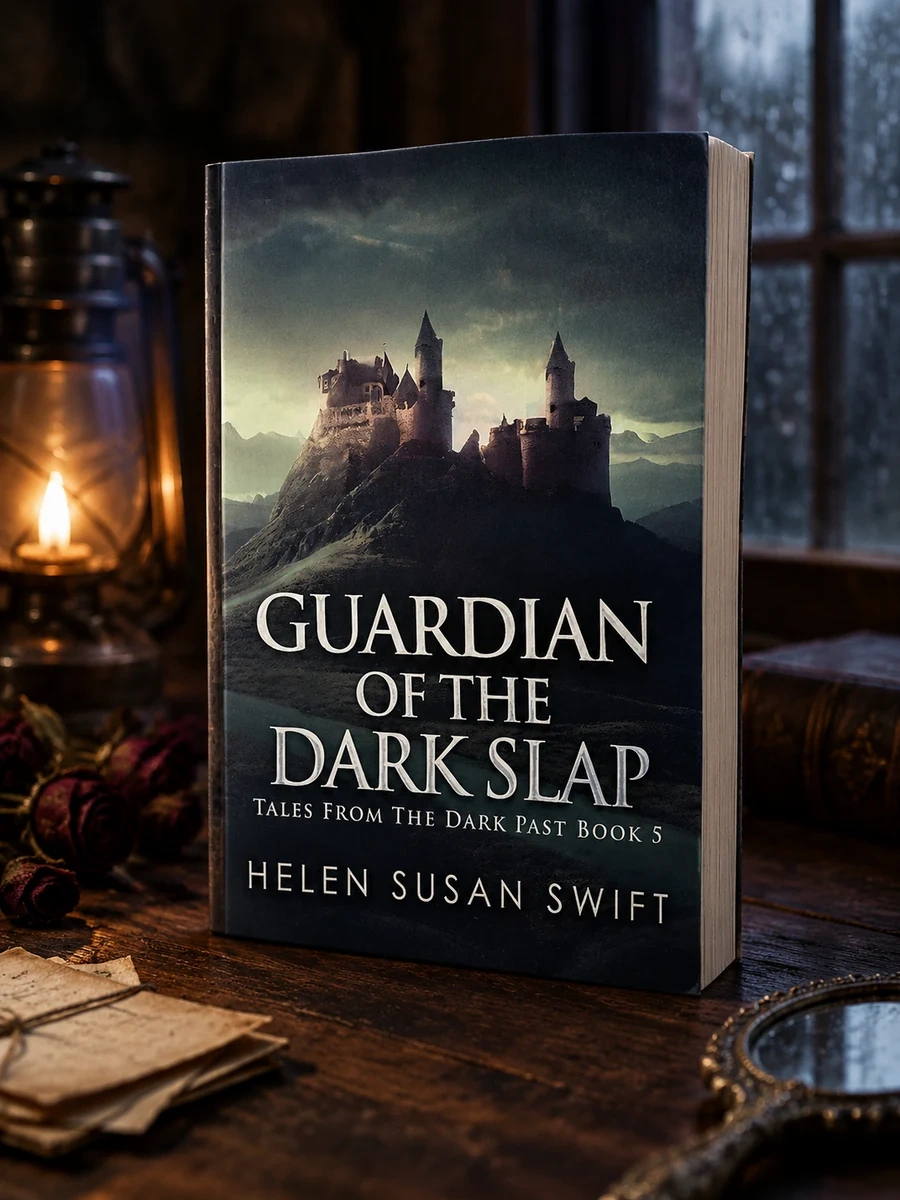
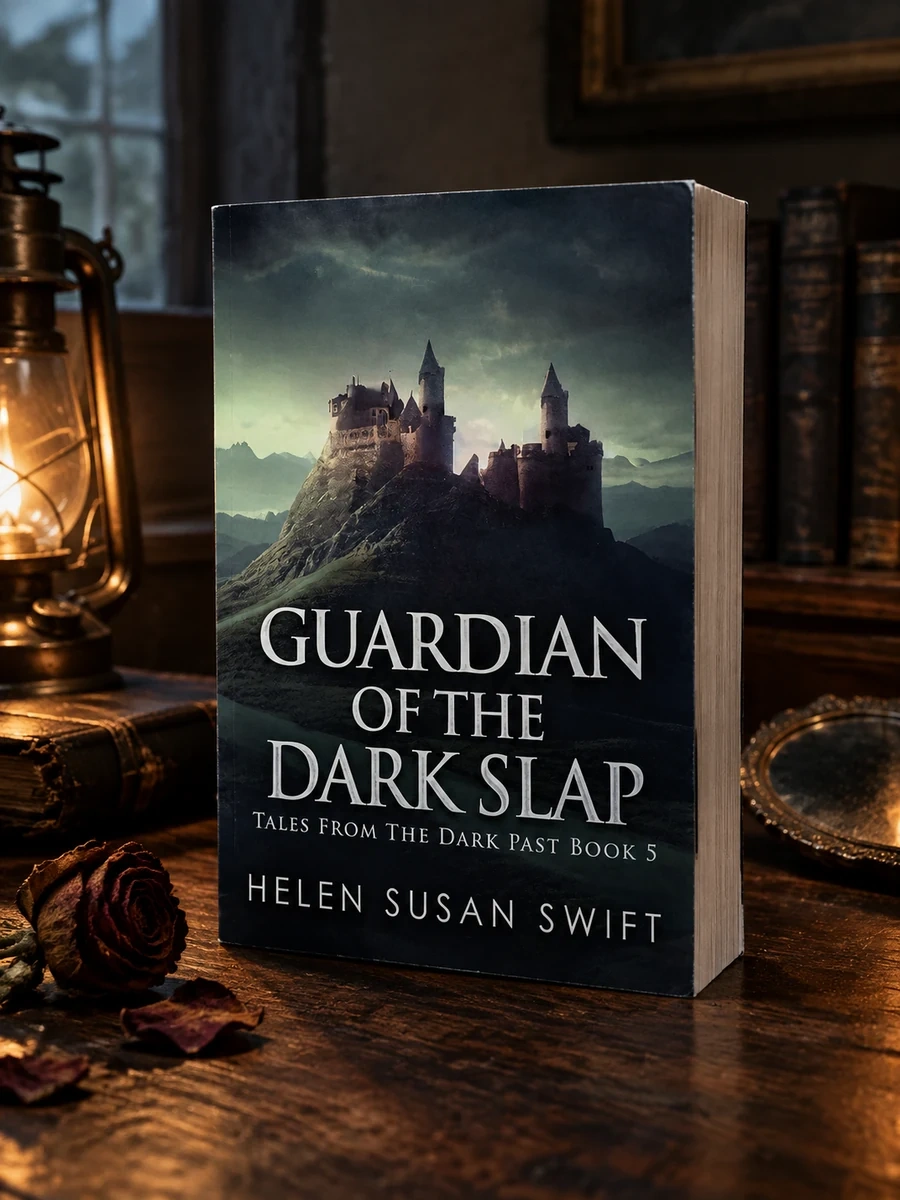
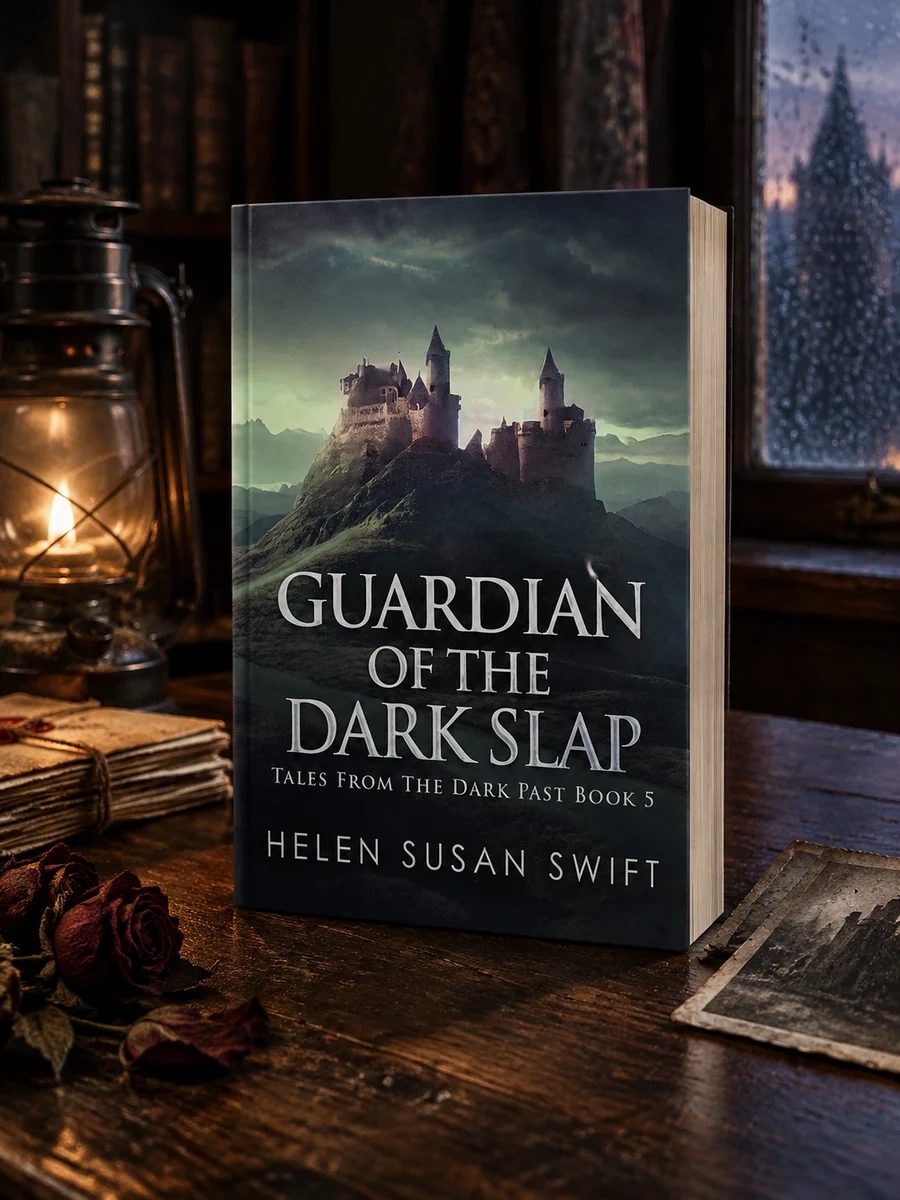
Guardian Of The Dark Slap
A dual-timeline novel about a haunted house and medieval warfare in Scotland.
Swift combines two distinct periods to explore the lingering effects of violence. The 1921 storyline focuses on Eleanor and Thomas Armstrong dealing with trauma at Anton's Walls. Their experience is mirrored by Sir Andrew Douglas in 1321, who faces Hugo de Soulis. Both timelines involve a struggle against powerful, dark forces. The book uses the Scottish landscape to create an atmosphere of dread. It examines how past sins influence the present. The narrative structure allows for a deep look at necromancy and demonic activity without relying on modern technology or urban settings.
The story is set in the Scottish Borders during 1921 and 1321. It draws on the history of crusades and medieval knightly conflicts. The narrative reflects the trauma of World War I through Thomas Armstrong's condition. It also references the specific geography of Caercorbie and Anton's Walls.


📝 Description: Guardian Of The Dark Slap
💎 Our verdict on Guardian Of The Dark Slap
📖 Why choose it
Why this book is worth reading
Readers who appreciate dense, atmospheric horror set against historical backdrops will find this novel compelling. It appeals to those interested in the psychological aftermath of war and the lingering weight of past sins. The dual-timeline structure offers a deep examination of necromancy and demonic activity without relying on urban settings or modern technology. Those seeking a narrative that grounds supernatural elements in specific historical contexts, particularly within the Scottish Borders, will gain from this exploration of dread and isolation. It is ideal for fans who do not seek light reading but rather a complex look at how ancient evils influence the present through trauma and violence.
⭐ Reader reviews
Reader rating
Swift effectively utilizes the moorland and hills of rural Scotland to create an intense atmosphere of dread. The dual-timeline narrative successfully mirrors the struggles of 1921 shell-shock victims with 1321 medieval warfare, linking them through themes of necromancy and demonic presence. The book excels in grounding supernatural horror in historical reality, avoiding reliance on modern conveniences. It suits fans of gothic fiction and those interested in the psychological effects of war. The story demands patience from readers who prefer intricate plotting over simple resolutions. Swift’s work offers a profound look at isolation and rejection by local communities, making it a powerful entry for enthusiasts of dark fantasy and historical horror.
📖 Read on the blog
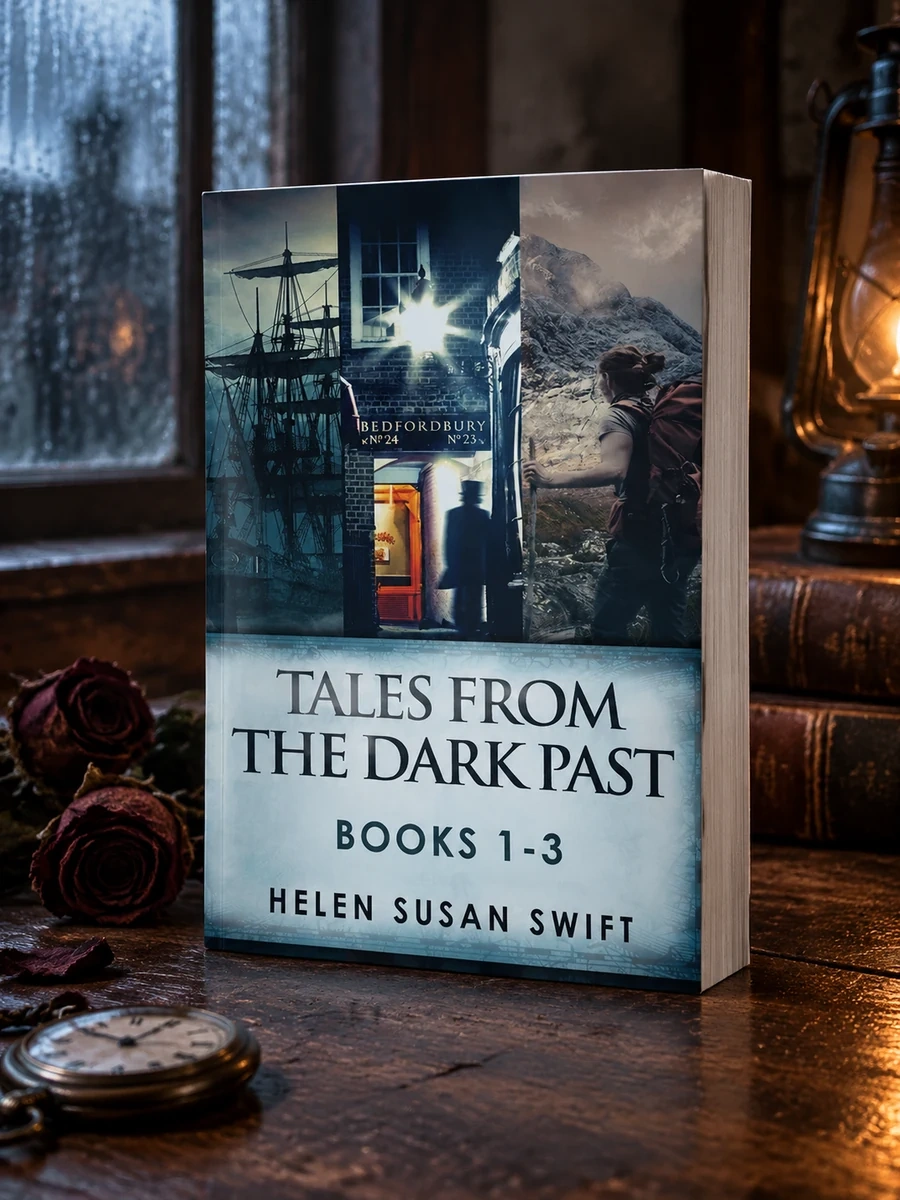
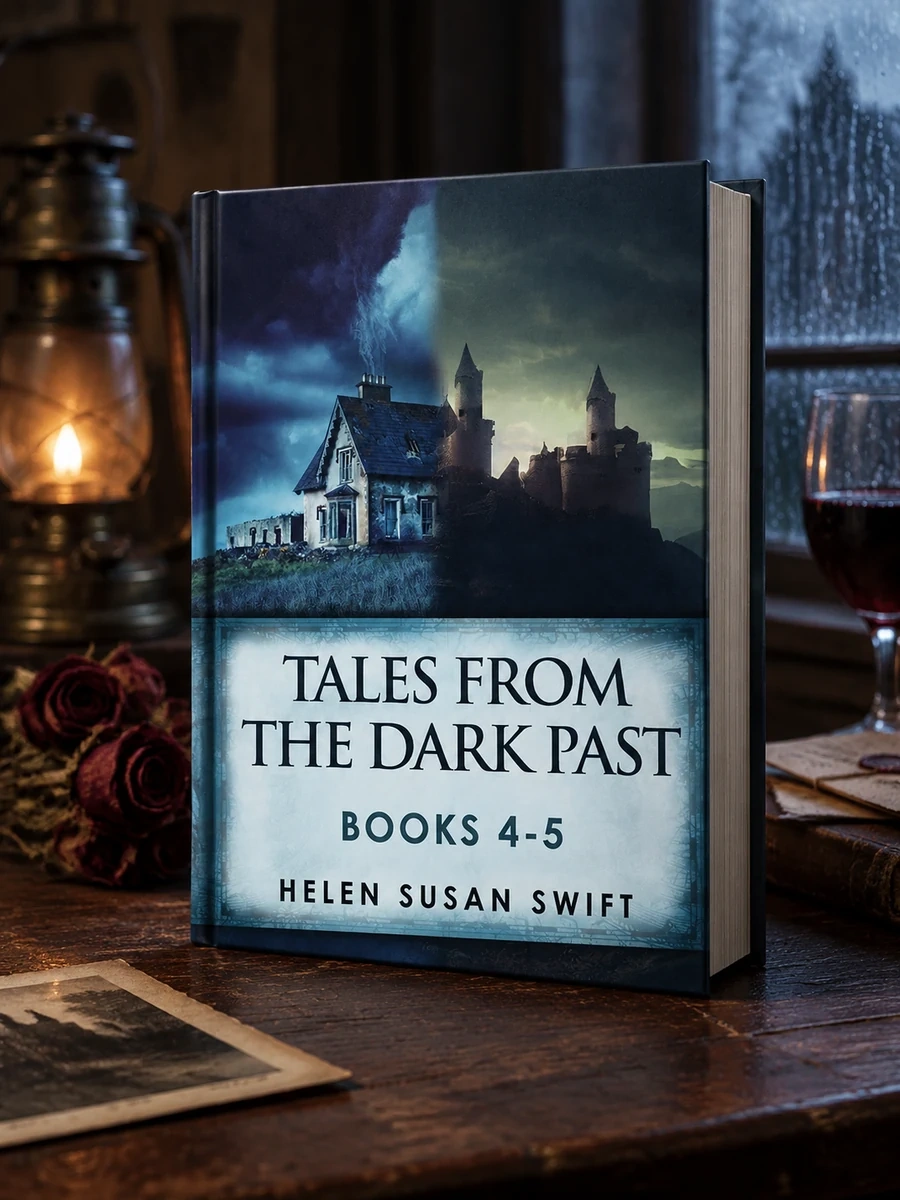
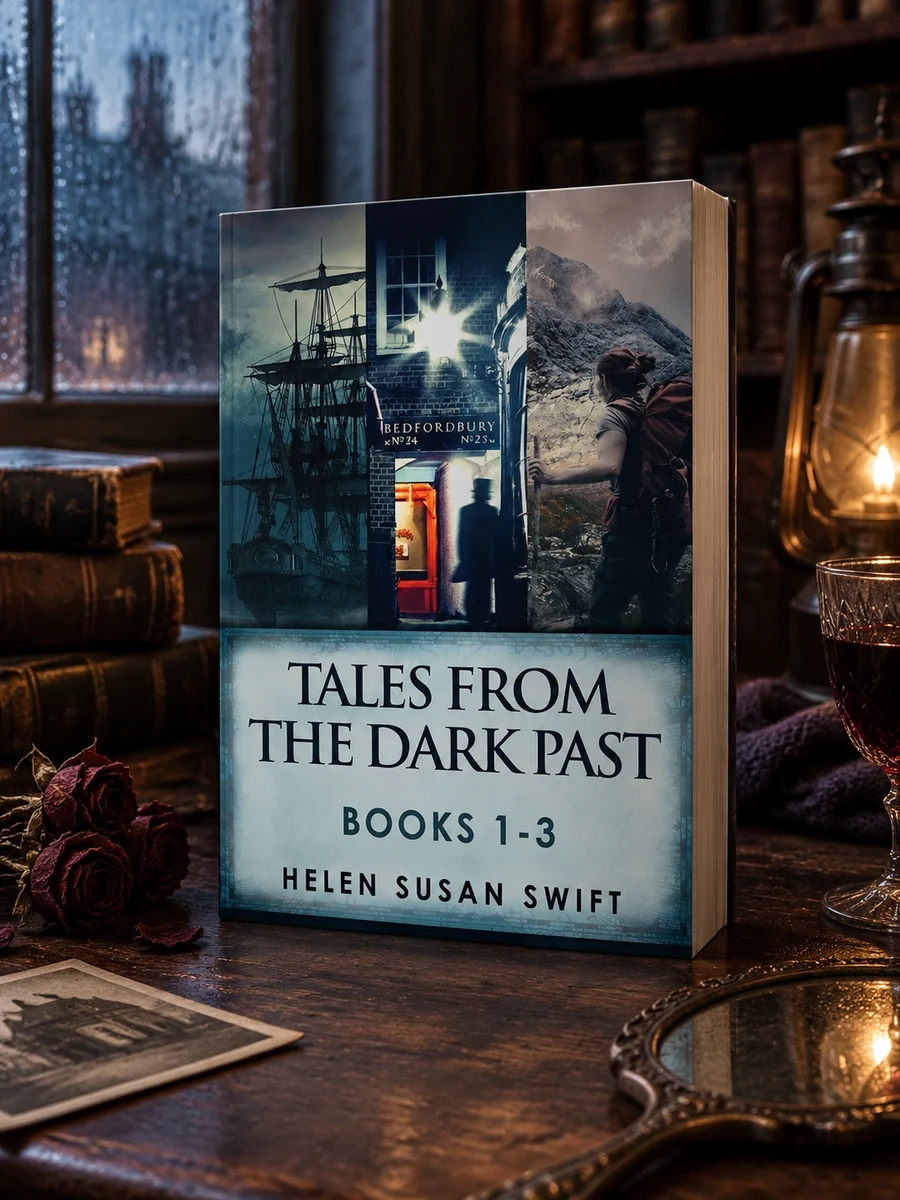
📖 From the series “Tales from the Dark Past”
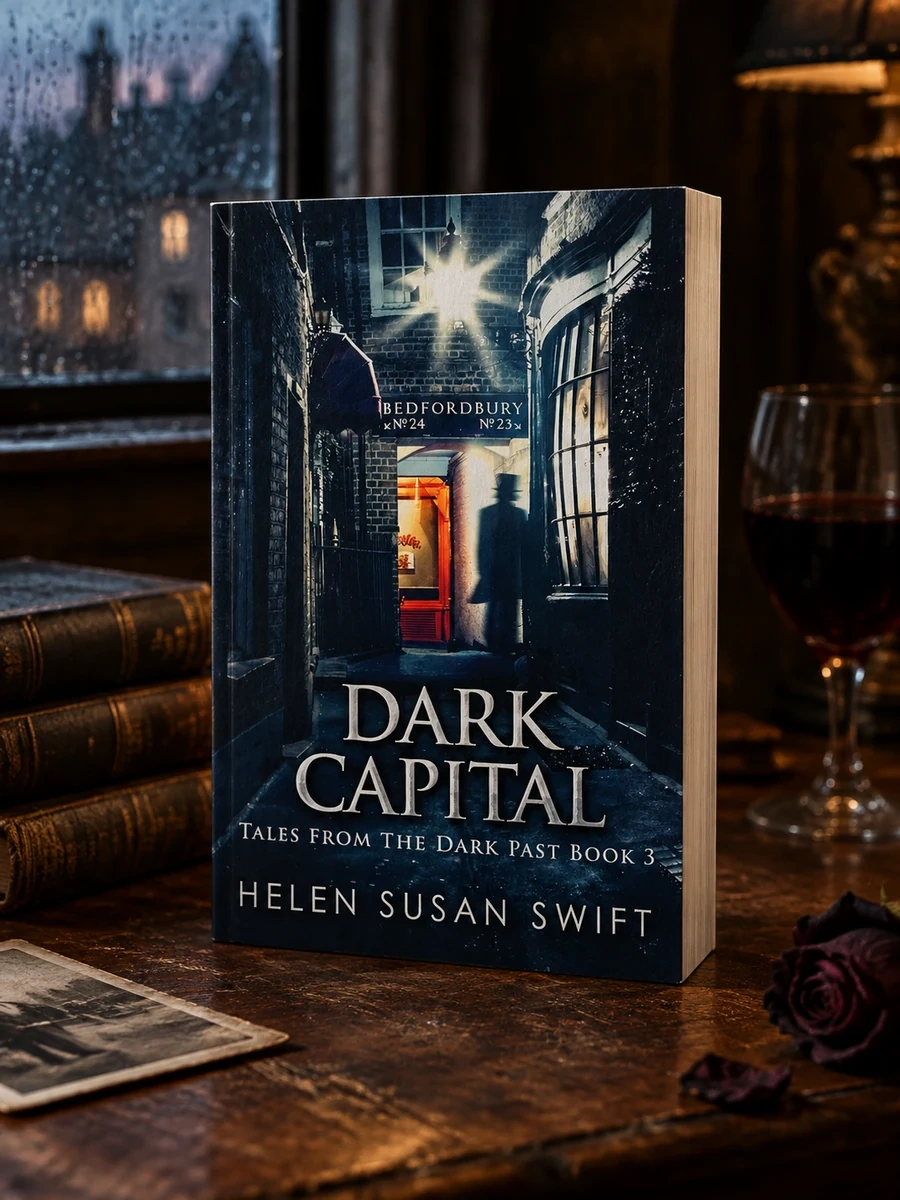


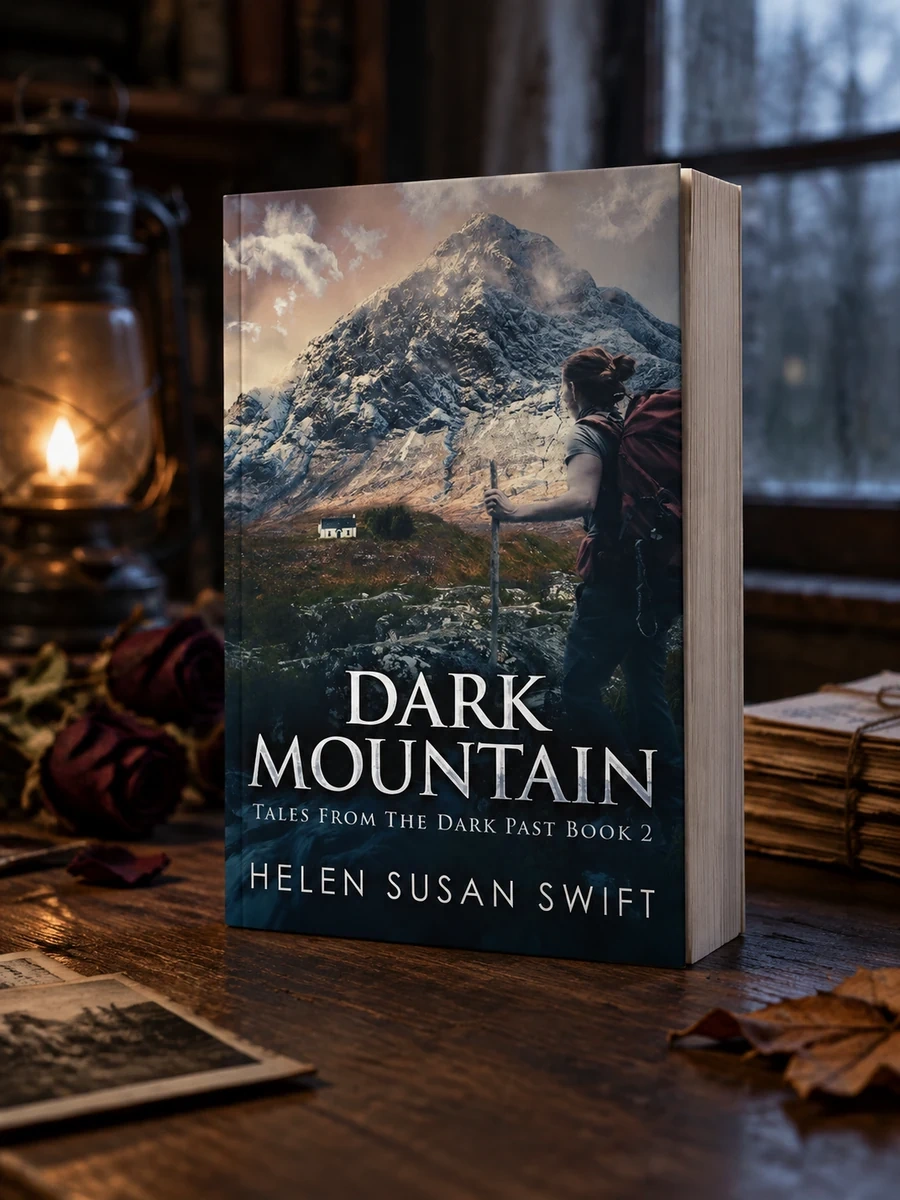
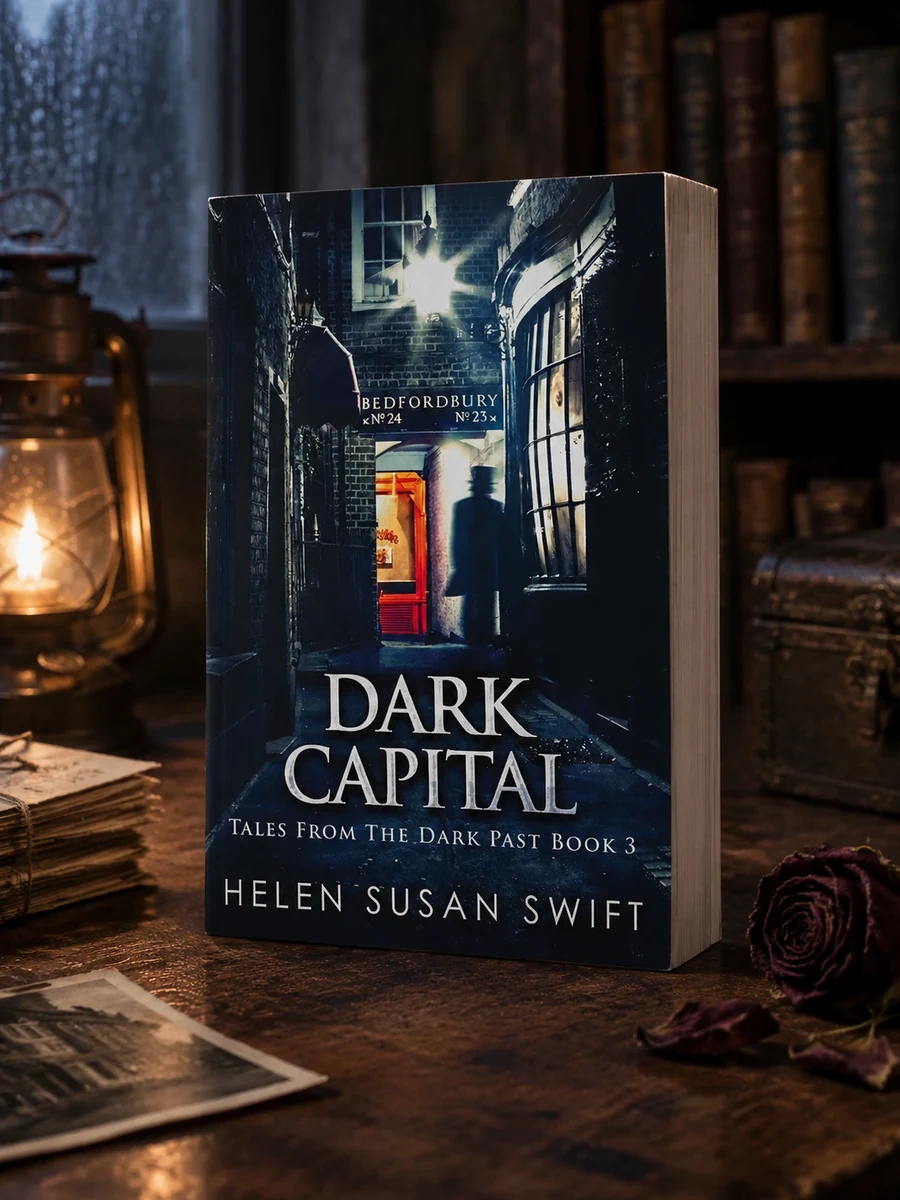
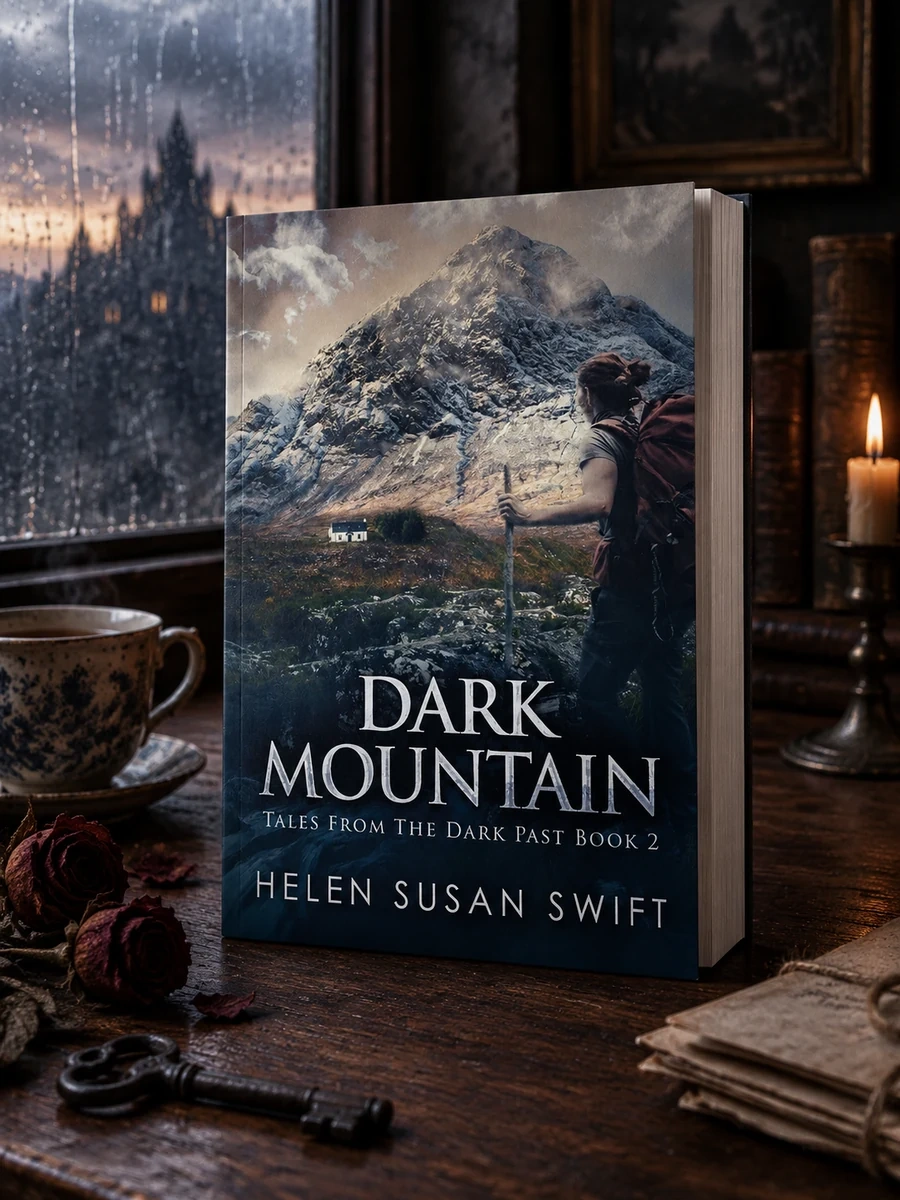
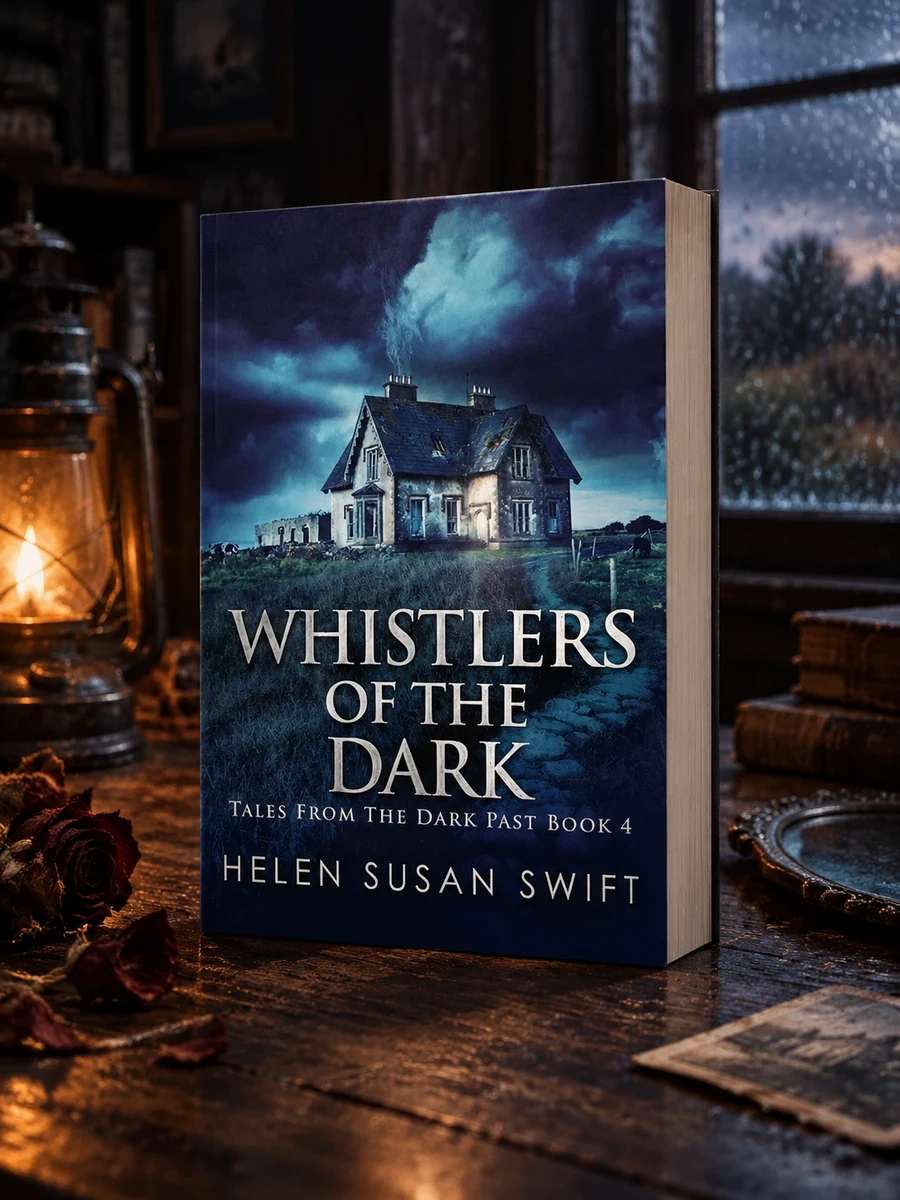
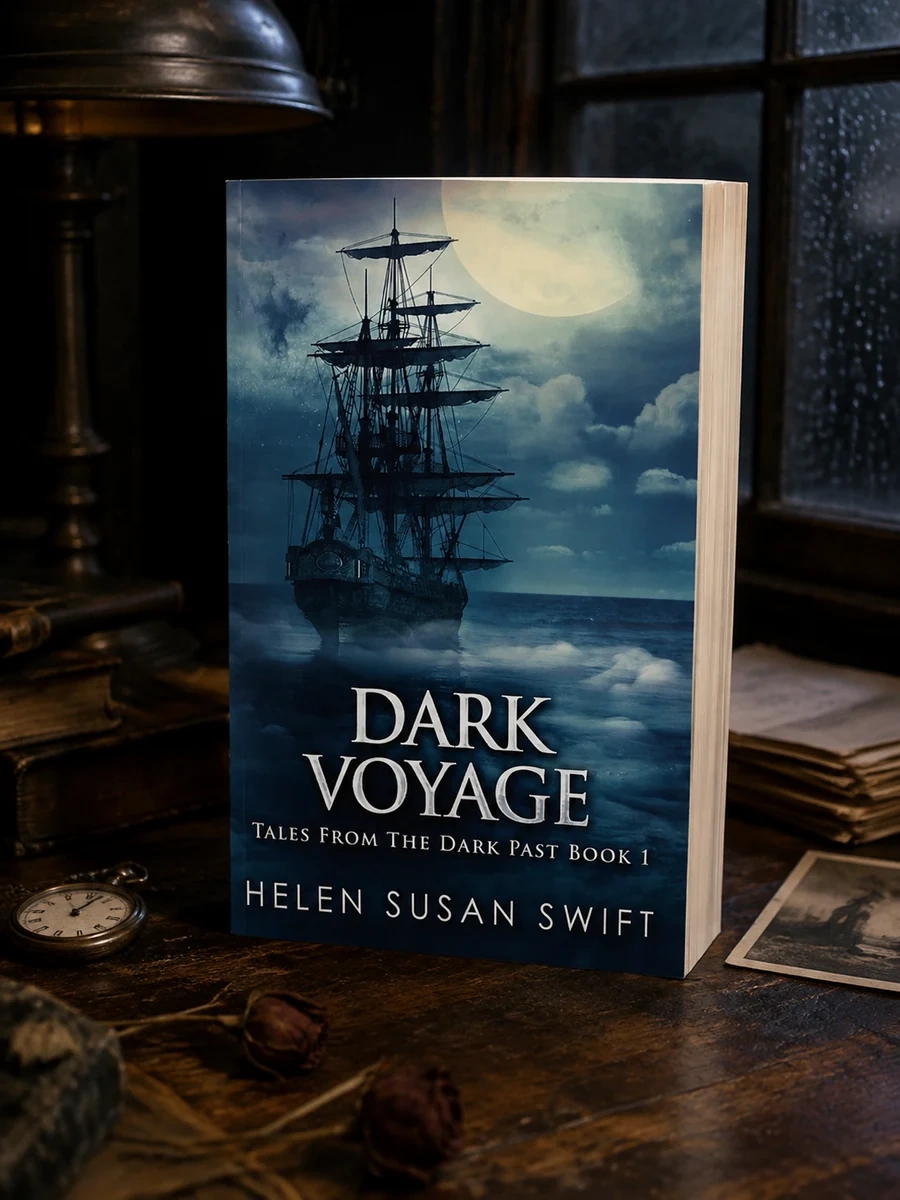
✍️ More books by this author Helen Susan Swift
🏛 Books from this publisher Next Chapter
You might also like
See more →
Have a question about this item?
Ask about the edition, condition, delivery or anything else — we reply by email or phone, usually within a day.
