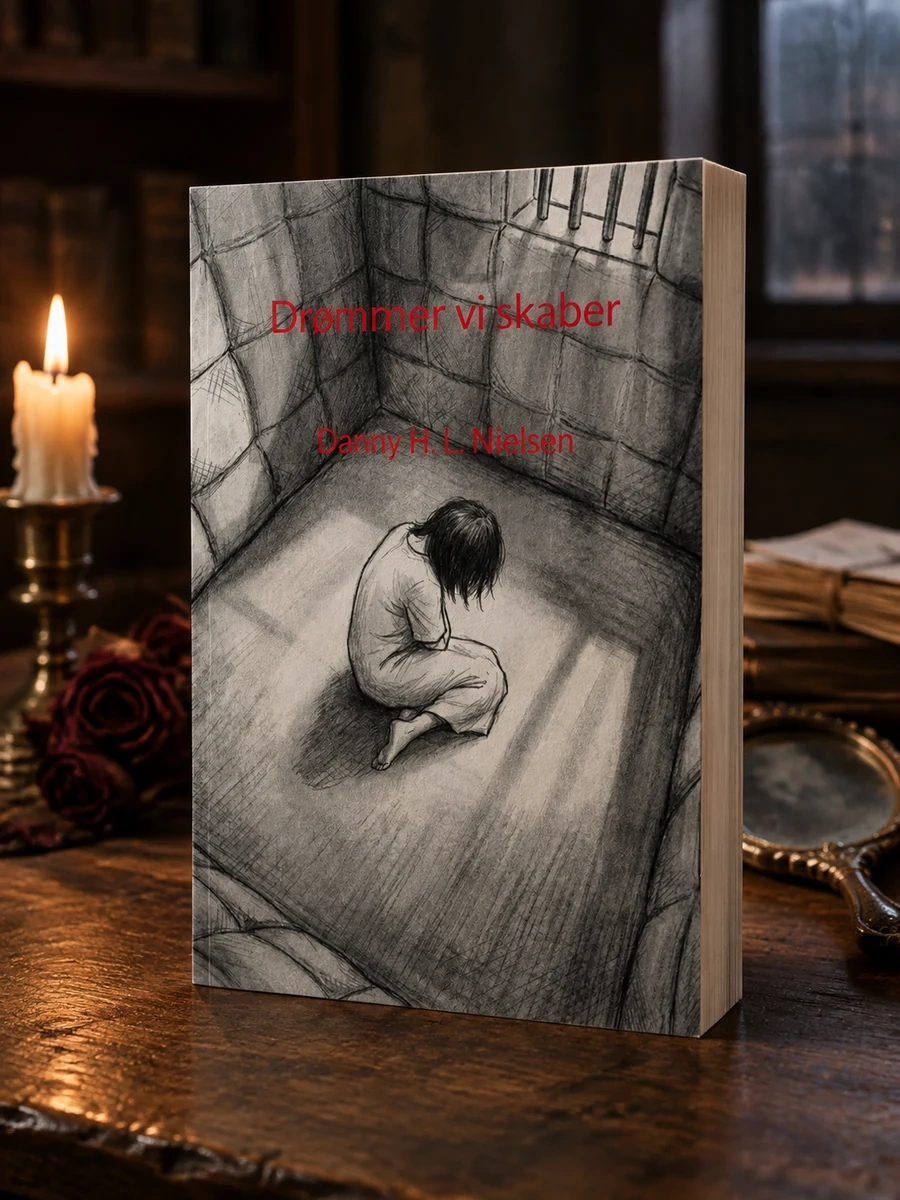
Daemoner vi skaber
A novel about a silenced woman breaking her vow and a map leading to a corpse.
The narrative hinges on two distinct timelines connected by a single violent act. Martin Leve faces the return of his captive, while Jorgen grapples with a confession that threatens to expose a hidden truth. The story relies on the physical evidence of a letter and a hand-drawn map rather than supernatural spectacle alone. Nielsen uses the setting of Fyn to ground the horror in reality. The tension arises from the urgency of the messages and the weight of the past six years. Readers interested in the mechanics of guilt and the consequences of silence will find this work engaging. It avoids typical jump scares in favor of creeping dread.
This work emerges from Danish literary traditions, specifically utilizing the geography of Fyn as a central plot device. It engages with gothic fiction tropes where the past violently intrudes upon the present through physical artifacts like handwritten letters and maps.


📝 Description: Daemoner vi skaber
💎 Our verdict on Daemoner vi skaber
📖 Why choose it
Why this book is worth reading
Readers who appreciate the slow-burn tension of psychological horror and gothic mystery will find this narrative deeply engaging. It appeals to those interested in the complex interplay between past crimes and present consequences, particularly how silence shapes identity and guilt. The focus on tangible clues like hand-drawn maps and letters offers a cerebral experience for fans of detailed, evidence-based storytelling. Those who enjoy exploring the weight of secrets and the inevitability of retribution will appreciate the grounded realism Nielsen brings to the genre. It is ideal for readers seeking atmospheric dread over action-packed thrills.
⭐ Reader reviews
Reader rating
Nielsen crafts a chilling narrative that effectively uses dual timelines to explore the lingering impact of violence. By centering the plot on physical evidence such as a letter and map, the story achieves a unique sense of urgency and realism. The avoidance of supernatural spectacle in favor of creeping dread allows for a more profound examination of guilt and consequence. This approach suits readers who prefer mystery rooted in specific, tangible details rather than abstract horror. While it may not satisfy those seeking fast-paced action or clear resolutions, its strength lies in the atmospheric tension and psychological depth. The setting of Fyn grounds the horror, making the fear feel immediate and inescapable for the dedicated fan of slow-burn gothic fiction.
📖 Read on the blog
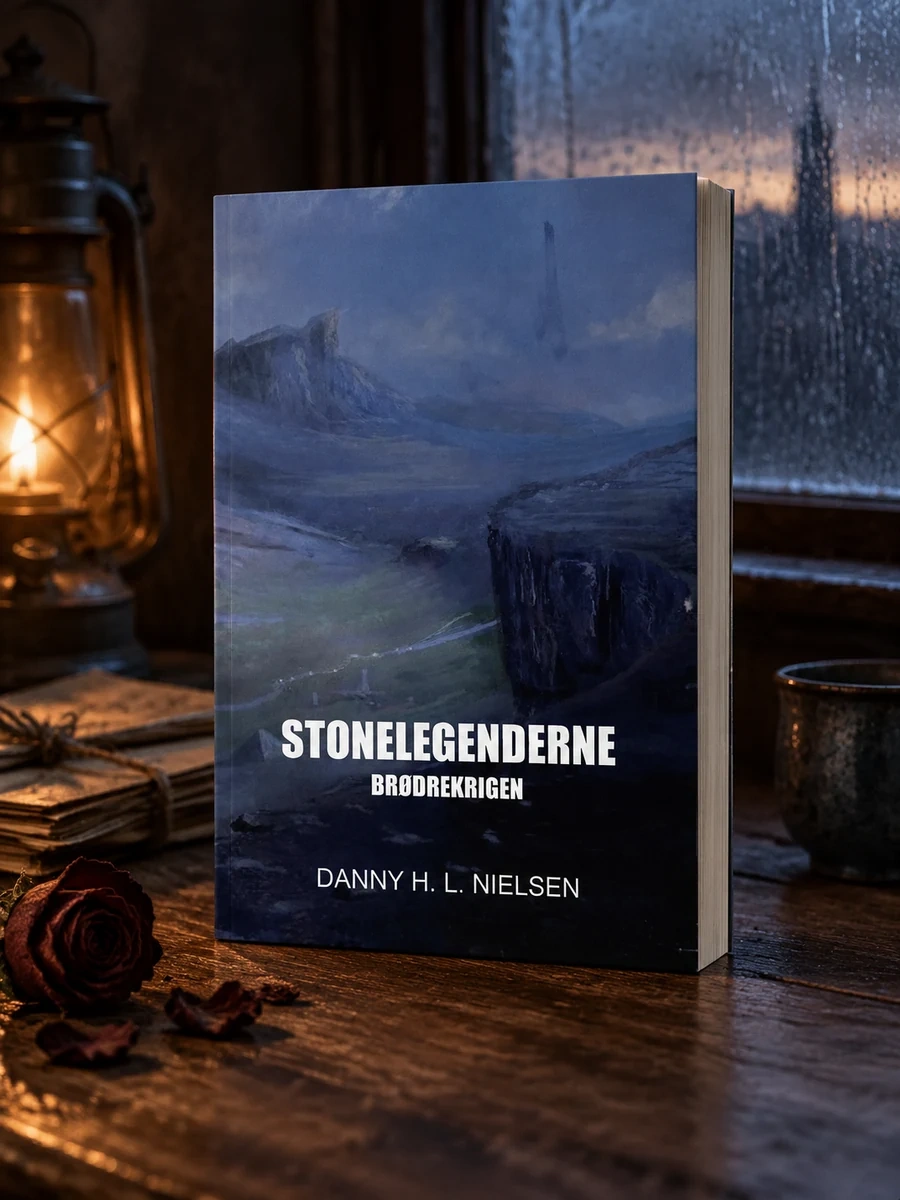
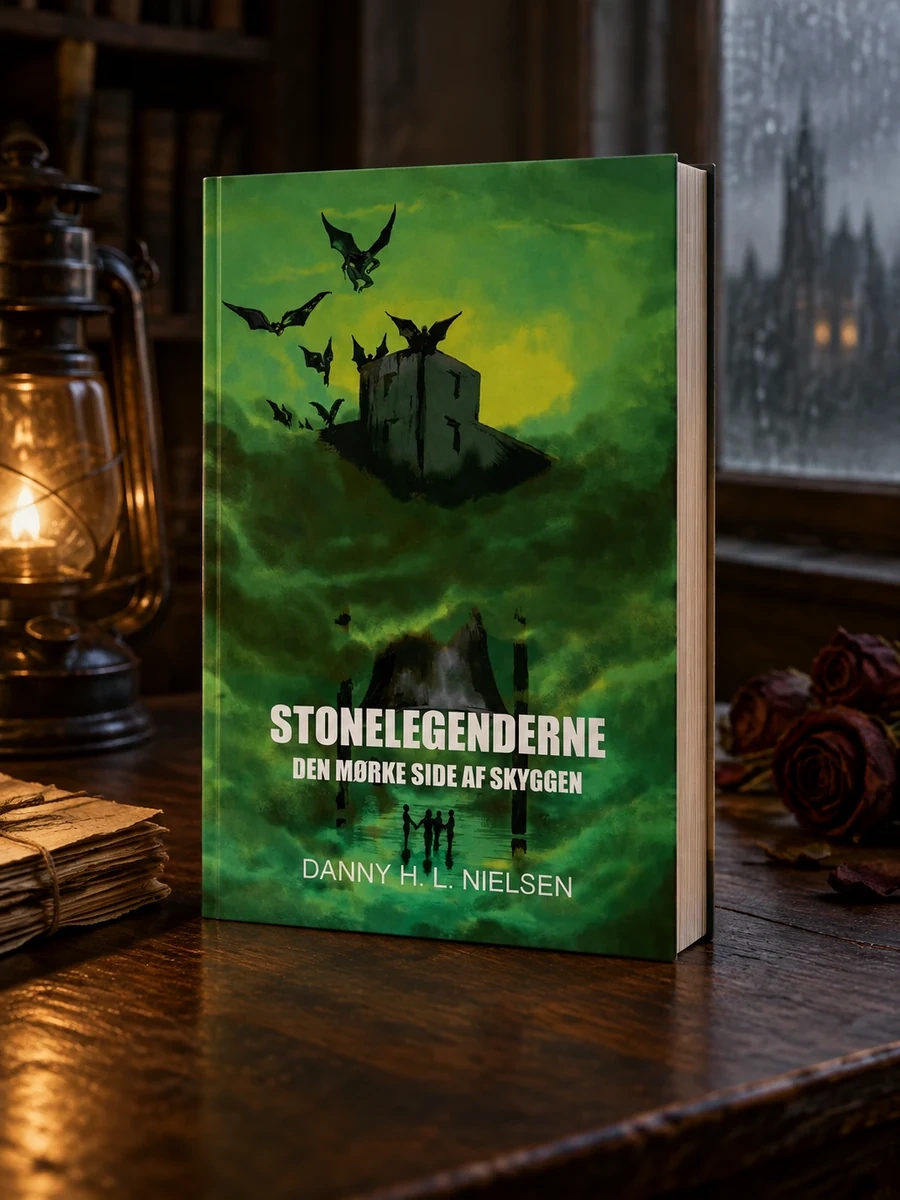
✍️ More books by this author Danny H L Nielsen


🏛 Books from this publisher Bod - Books on Demand



You might also like
See more →

Have a question about this item?
Ask about the edition, condition, delivery or anything else — we reply by email or phone, usually within a day.
