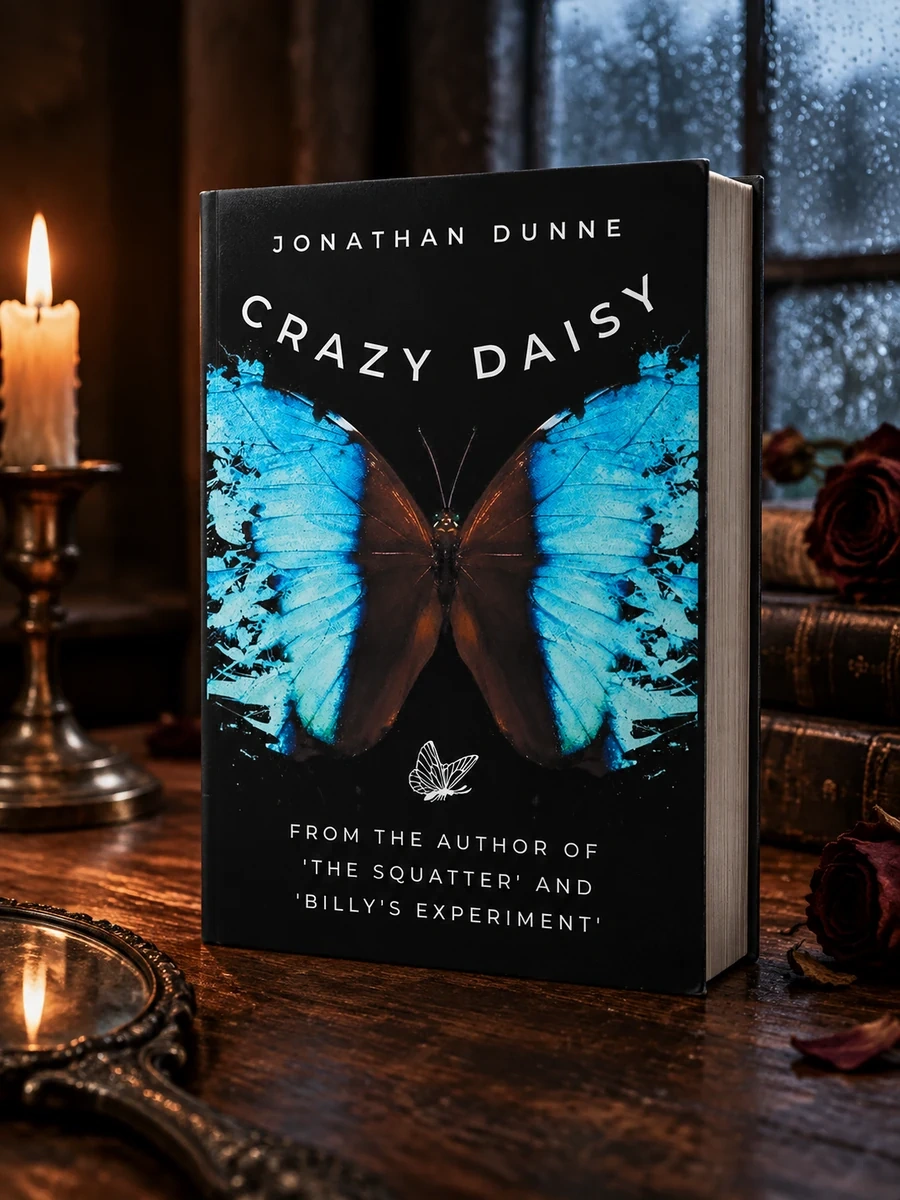
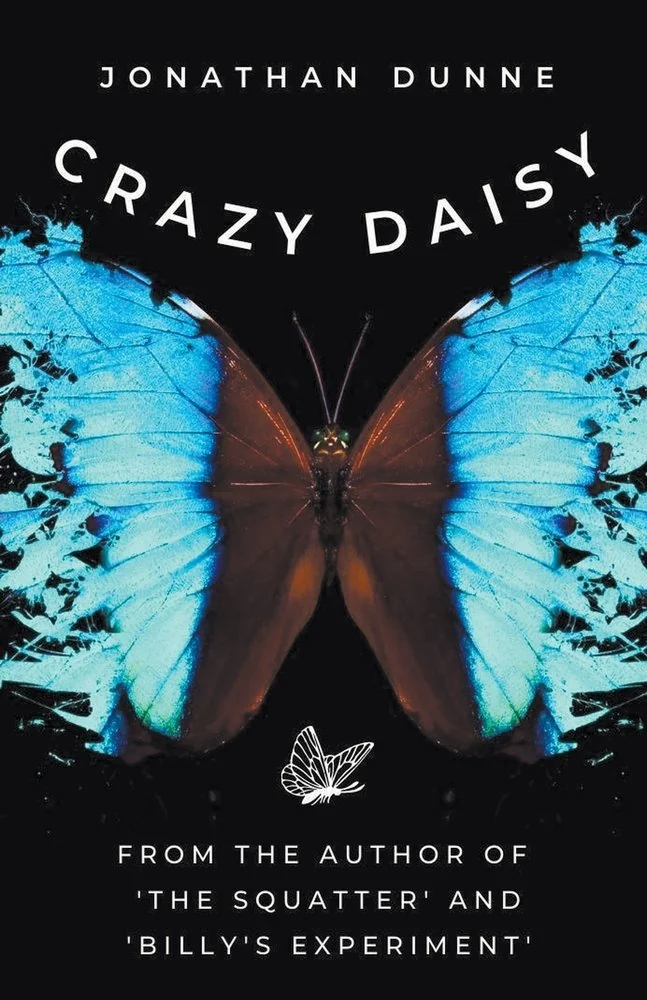
Crazy Daisy
A gothic tale of madness, flooding caves, and a woman named Daisy.
Dunne connects a psychiatric case study with a modern survival scenario. Gabriel Bogdan’s ignored warnings at The Hillside hospital foreshadow the crisis Fern Keegan faces in the river tunnel. The story spans over a decade, linking these two distinct periods of terror. The cave setting becomes a character itself, emphasizing isolation and the unknown. Readers encounter a narrator who claims identity as Crazy Daisy. This perspective adds layers to the traditional horror genre by blending institutional failure with natural disaster elements.
The work emerges from contemporary independent publishing, released in late 2022. It engages with American and British gothic traditions that favor atmospheric dread over jump scares. The setting draws on local folklore surrounding old castles and river tunnels, grounding the supernatural elements in recognizable geographical fear.


📝 Description: Crazy Daisy
💎 Our verdict on Crazy Daisy
📖 Why choose it
Why this book is worth reading
Readers seeking a deeply atmospheric experience rooted in psychological horror and gothic tradition will find this novel compelling. It appeals to those who enjoy narratives where the setting itself acts as a primary antagonist, particularly involving confined spaces like caves and the threat of flooding waters. The story is ideal for enthusiasts of tales that bridge institutional failure with natural disaster elements, offering a layered perspective through its unique narrator. Those who appreciate slow-burn tension driven by disbelief rather than explicit gore will find the structure engaging. It suits individuals interested in how past neglect foreshadows present-day terror, providing a sense of inevitable horror without relying on visceral shock value for its impact.
⭐ Reader reviews
Reader rating
Dunne effectively constructs a narrative that merges psychiatric case studies with modern survival scenarios, creating a cohesive thread of dread across decades. The novel excels in establishing the cave setting as a character, emphasizing isolation and the unknown to amplify the psychological tension. By linking Gabriel Bogdan’s ignored warnings at Hillside hospital with Fern Keegan’s experiences, the book demonstrates a skilled use of foreshadowing and structural symmetry. The revelation of the narrator’s identity adds intriguing depth to the traditional horror framework. This work is best suited for readers who prefer atmospheric dread and psychological complexity over action-heavy plots or clear resolutions, offering a chilling exploration of madness and confinement.
📖 Read on the blog
✍️ More books by this author Jonathan Dunne






🏛 Books from this publisher Jonathan Dunne

You might also like
See more →



Have a question about this item?
Ask about the edition, condition, delivery or anything else — we reply by email or phone, usually within a day.
