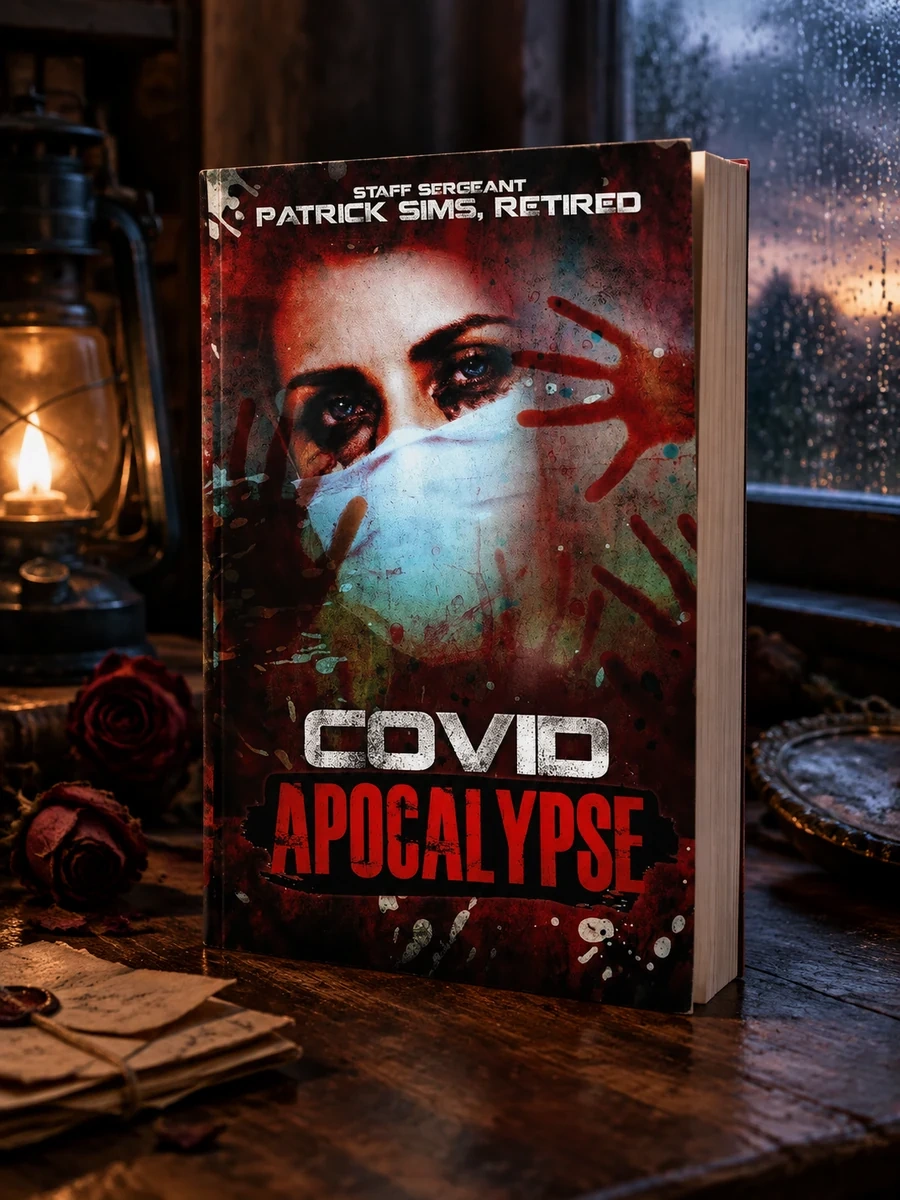
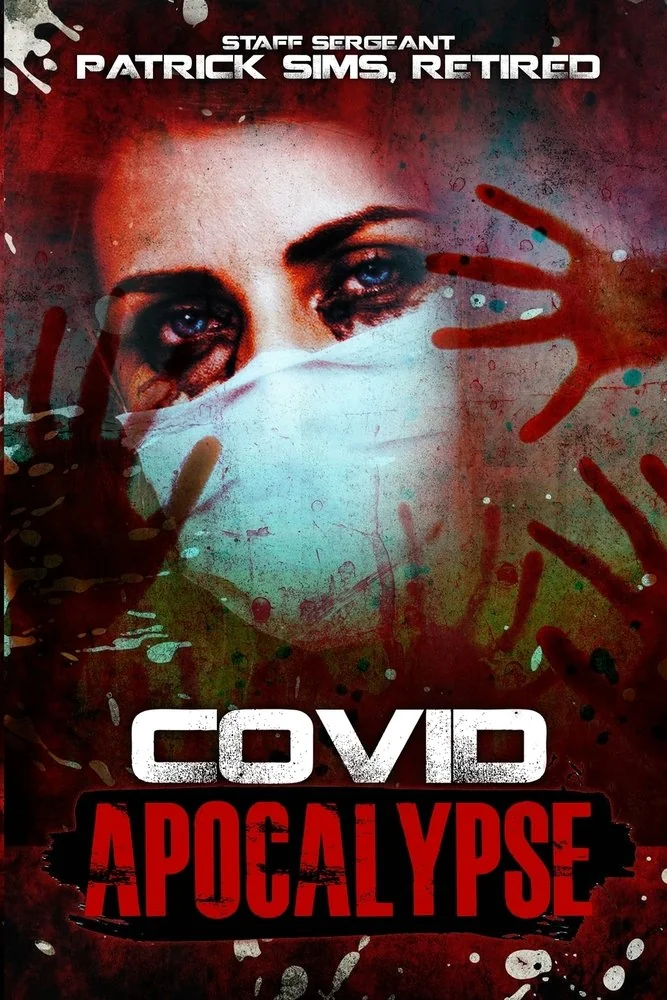
Covid Apocalypse
A near-future tale of a mutated virus forcing global peace through fear.
Sims constructs a narrative where a 2025 pandemic alters international relations. The core conflict arises from a virus merging SARS-CoV-2 with Ebola. This mutation strips superpowers of their perceived invincibility. The story tracks the shift from military posturing to survivalist diplomacy. Sims uses this biological crisis to examine human fragility. The plot moves away from traditional warfare toward disease management as the primary global concern. Readers will find a focus on political realism rather than action sequences. The author presents a world where mortality is the great equalizer. This perspective challenges the notion of national superiority in the face of an invisible enemy.
Published in 2022, this work anticipates a 2025 pandemic scenario. It reflects contemporary anxieties about viral mutations and geopolitical instability. The narrative sits within the speculative fiction genre, offering a cautionary tale about biological threats.


📝 Description: Covid Apocalypse
💎 Our verdict on Covid Apocalypse
📖 Why choose it
Why this book is worth reading
Readers interested in the intersection of biological crisis and geopolitical realism will find this narrative compelling. It appeals to those who prefer political thrillers over traditional supernatural horror, offering a grounded examination of how mortality acts as an equalizer against superpower posturing. The book provides a unique perspective on societal collapse and diplomatic recalibration, focusing on concrete plot progression rather than abstract philosophy. Fans of realistic apocalyptic scenarios will appreciate the detailed exploration of disease management as a primary global concern, challenging notions of national superiority in the face of an invisible enemy.
⭐ Reader reviews
Reader rating
Sims constructs a tense narrative where a mutated virus forces global powers to abandon military posturing for survivalist diplomacy. The text effectively utilizes the biological fusion of known pathogens to drive political realism, stripping away the illusion of invincibility. While it lacks traditional horror tropes, its strength lies in the immediate aftermath of the outbreak and the stark realization of human fragility. This approach suits readers seeking epidemiological suspense and dystopian speculation grounded in near-future scenarios. It avoids broad musings, focusing instead on the specific consequences of the genetic catalyst. The result is a sobering look at diplomatic recalibration that prioritizes disease management over warfare.
You might also like
See more →






Have a question about this item?
Ask about the edition, condition, delivery or anything else — we reply by email or phone, usually within a day.
