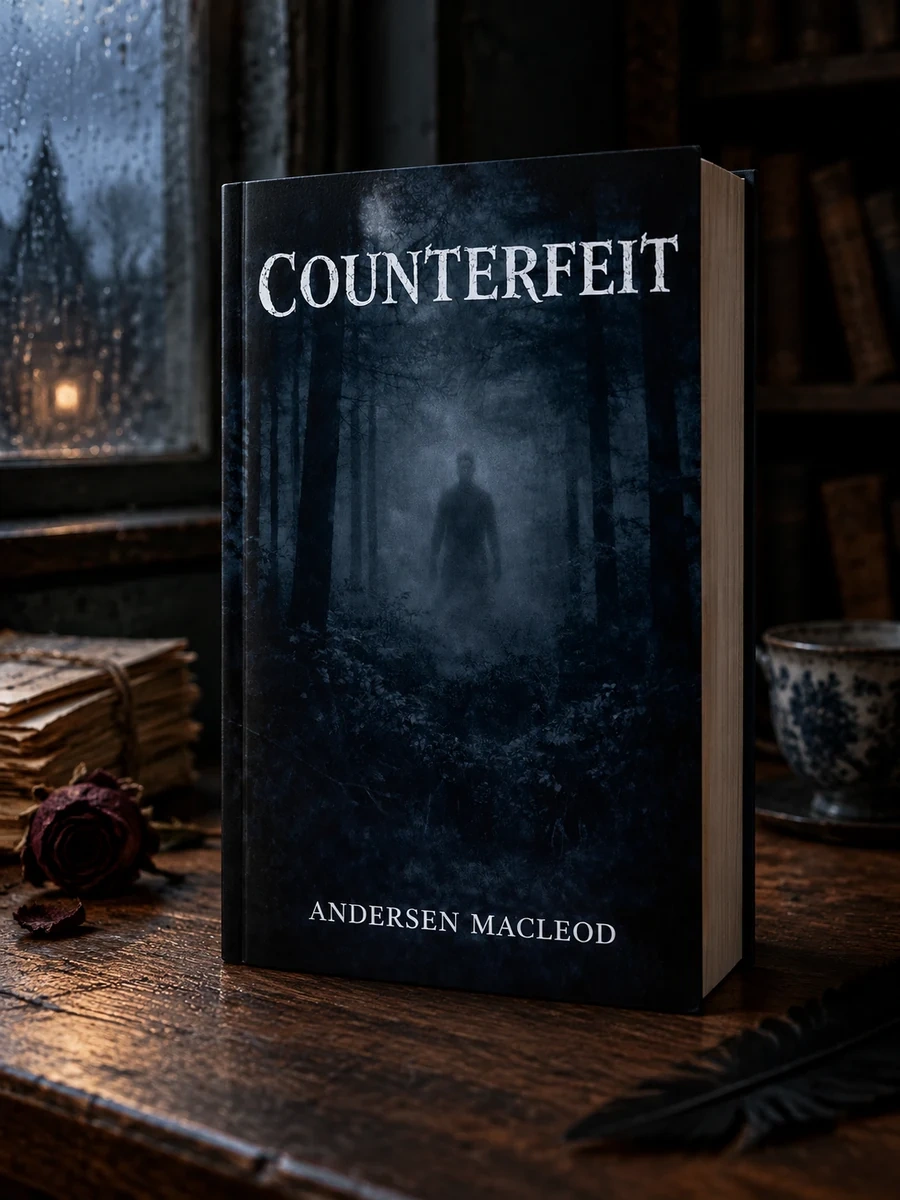
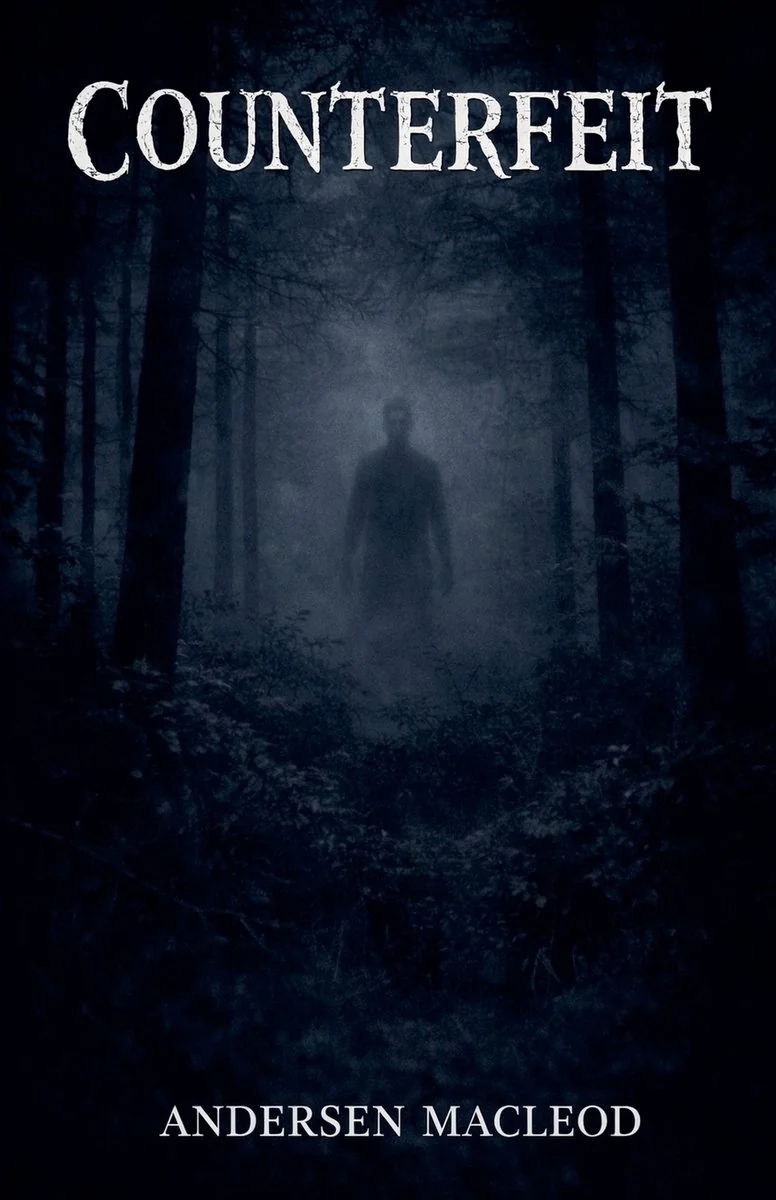
Counterfeit
A predatory entity in the Catskills mimics college friends until identity fails.
MacLeod writes a tense narrative about six college students whose retreat turns into a nightmare of isolation and mimicry. The story centers on the disappearance of Becky and the subsequent breakdown of trust among the remaining friends. As they search for her, they encounter a forest that feels wrong and empty of natural life. A hidden presence begins to observe them, learning their mannerisms and speech patterns. This entity does not think like a human but imitates with growing precision. The plot focuses on the psychological horror of realizing that someone might not be who they appear to be. The tension builds as the group fractures under accusations and fear. Readers will find this work engaging if they appreciate stories where the threat is internal and ambiguous rather than overtly violent.
This novel sits within the contemporary horror tradition, utilizing the classic spring break trope to explore supernatural dread. It draws on gothic fiction elements by placing characters in a secluded Catskills setting where nature itself feels hostile and unnatural.


📝 Description: Counterfeit
💎 Our verdict on Counterfeit
📖 Why choose it
Why this book is worth reading
Readers who appreciate psychological tension and supernatural dread rooted in isolation will find this work engaging. Those who enjoy stories where the threat is internal and ambiguous rather than overtly violent should seek it out. The narrative offers a chilling examination of paranoia and the fragility of human connection when faced with an incomprehensible force. It suits audiences willing to sit with discomfort as trust fractures under panic and suspicion, providing a tense exploration of how identity dissolves when mimicked by a predatory entity.
⭐ Reader reviews
Reader rating
MacLeod crafts a tense narrative where the horror stems from the breakdown of trust among college friends rather than gore. The predator’s method of learning through observation creates a unique sense of unease, challenging readers to question the authenticity of familiar faces. While it lacks fast-paced action or clear resolutions, its strength lies in the gradual realization that something is wrong. This book best suits patient readers who value atmospheric dread and psychological complexity over conventional plot mechanics, offering a sophisticated look at mimicry and identity.
You might also like
See more →







Have a question about this item?
Ask about the edition, condition, delivery or anything else — we reply by email or phone, usually within a day.
