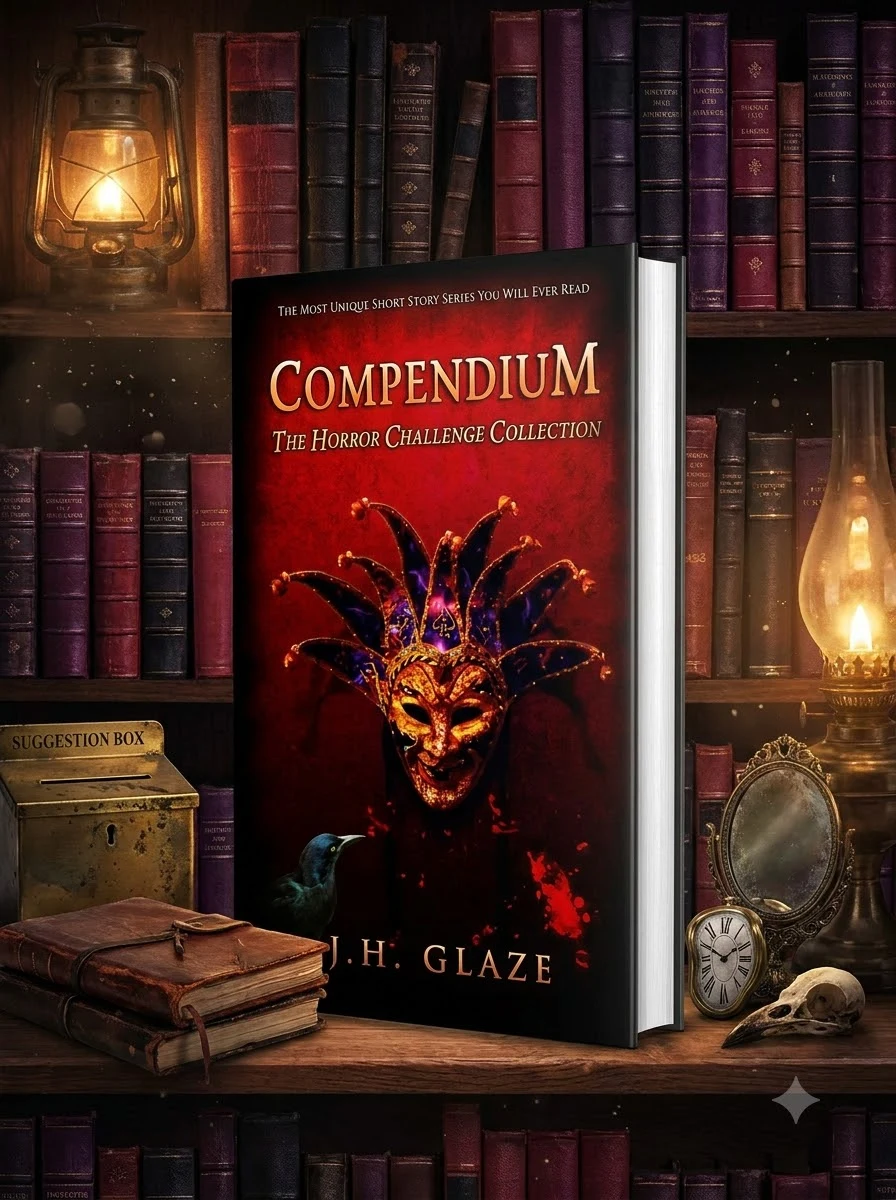
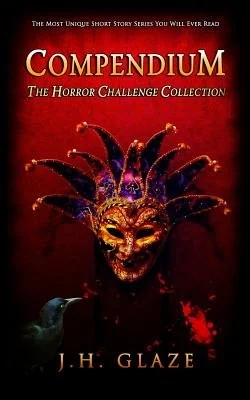
Compendium: The Horror Challenge Collection
A collection of horror stories inspired by reader suggestions from three volumes.
Susan Grimm curates this anthology by combining the first three installments of The Horror Challenge series. The text originates from prompts submitted by readers, resulting in a diverse array of supernatural tales. Each story incorporates twists of humor and irony, distinguishing it from standard genre fare. The compilation includes works that alter the perception of everyday items and situations. Grimm’s approach highlights the power of imagination when guided by external constraints. The collection serves as both a reading experience and an invitation for further participation. It bridges the gap between author and audience through shared creative input.
Published in 2013 by Mostcool Media, Incorporated, this work reflects the early era of digital community engagement in publishing. It represents a shift toward interactive fiction where readers influence narrative content through direct suggestion.


📝 Description: Compendium: The Horror Challenge Collection
💎 Our verdict on Compendium: The Horror Challenge Collection
📖 Why choose it
Why this book is worth reading
Readers who appreciate short fiction with unexpected twists will find this collection particularly rewarding, as it transforms the mundane into the unsettling through diverse supernatural scenarios. It is ideal for those interested in the mechanics of community-driven storytelling and the power of imagination when guided by external constraints. The blend of horror with humor and irony offers a distinctive experience that challenges conventional genre expectations. By inviting engagement with ordinary objects and situations, the book provides a unique reading experience that serves as both entertainment and an invitation for further participation in the creative process.
⭐ Reader reviews
Reader rating
Susan Grimm’s anthology stands out in contemporary horror for its collaborative origin and tonal variety. By combining three volumes of reader-inspired prompts, it creates a diverse array of supernatural tales that defy standard genre fare. The incorporation of humor and irony distinguishes these stories, altering perceptions of everyday items and situations. This approach highlights the strength of interactive fiction traditions where the community influences narrative direction. While it may not suit those seeking purely serious horror or traditional linear narratives, it excels as a unique entry in modern anthologies. It is best suited for readers who enjoy unexpected twists and appreciate how digital-age publishing can reshape storytelling through shared creative input.