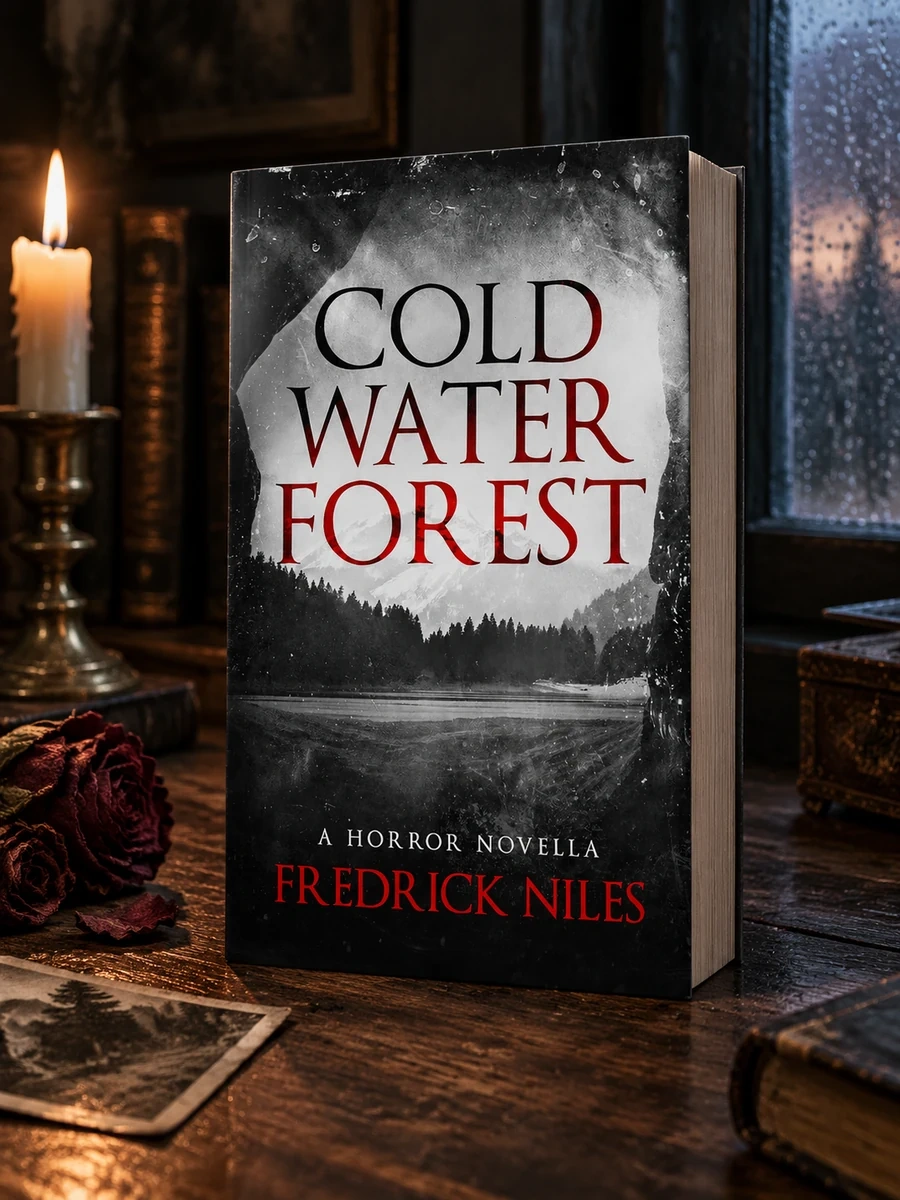
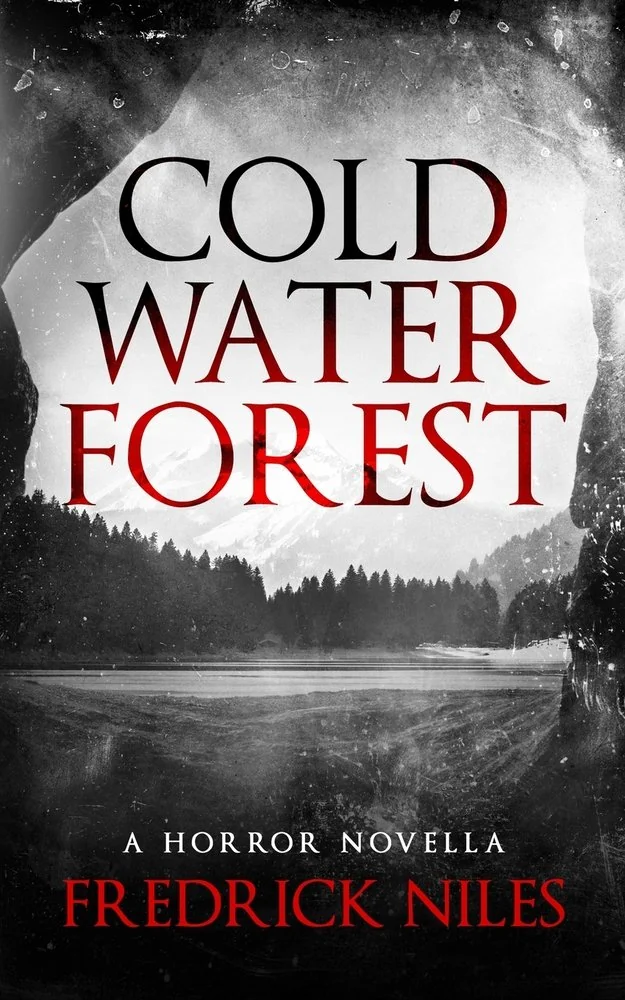
Cold Water Forest
A family faces dread in an isolated cabin during a shifting season.
The narrative follows Kelsey Fletcher and her relatives as they occupy the abandoned Norris cabin. The setting is the Cold Water Forest, where local legends warn of strange things emerging at night. The protagonist ignores these warnings due to her desperate financial situation. The text emphasizes the emotional weight of grief alongside the physical isolation. Niles constructs a story that mirrors the disorientation of losing one's footing in life. The atmosphere grows heavier as the family remains trapped by circumstance. The book does not offer easy resolutions or clear monsters. Instead, it focuses on the psychological impact of being cut off from the known world. The prose maintains a steady, oppressive tone throughout. Readers will find the story less about jump scares and more about the creeping realization that safety is an illusion. The isolation serves as a catalyst for internal conflict rather than external adventure.
This work emerges from the tradition of American gothic fiction, where rural settings and abandoned structures become sites of supernatural unease. It connects to the broader genre of psychological horror that prioritizes mood over monster. The narrative reflects contemporary anxieties about displacement and the fragility of domestic safety.


📝 Description: Cold Water Forest
💎 Our verdict on Cold Water Forest
⭐ Reader reviews
Reader rating
The emphasis on grief and isolation provides a strong emotional core, appealing to fans of character-driven dread. However, readers seeking fast-paced action or clear supernatural rules may find the vague premise underwhelming. It is best suited for patient readers who prioritize mood over mystery. Those who dislike ambiguous endings or slow pacing should approach with caution, as the focus remains firmly on the descent into psychological unease rather than resolution.