City of Hunger
A couple explores a haunted Montana town where residents are driven by hunger.
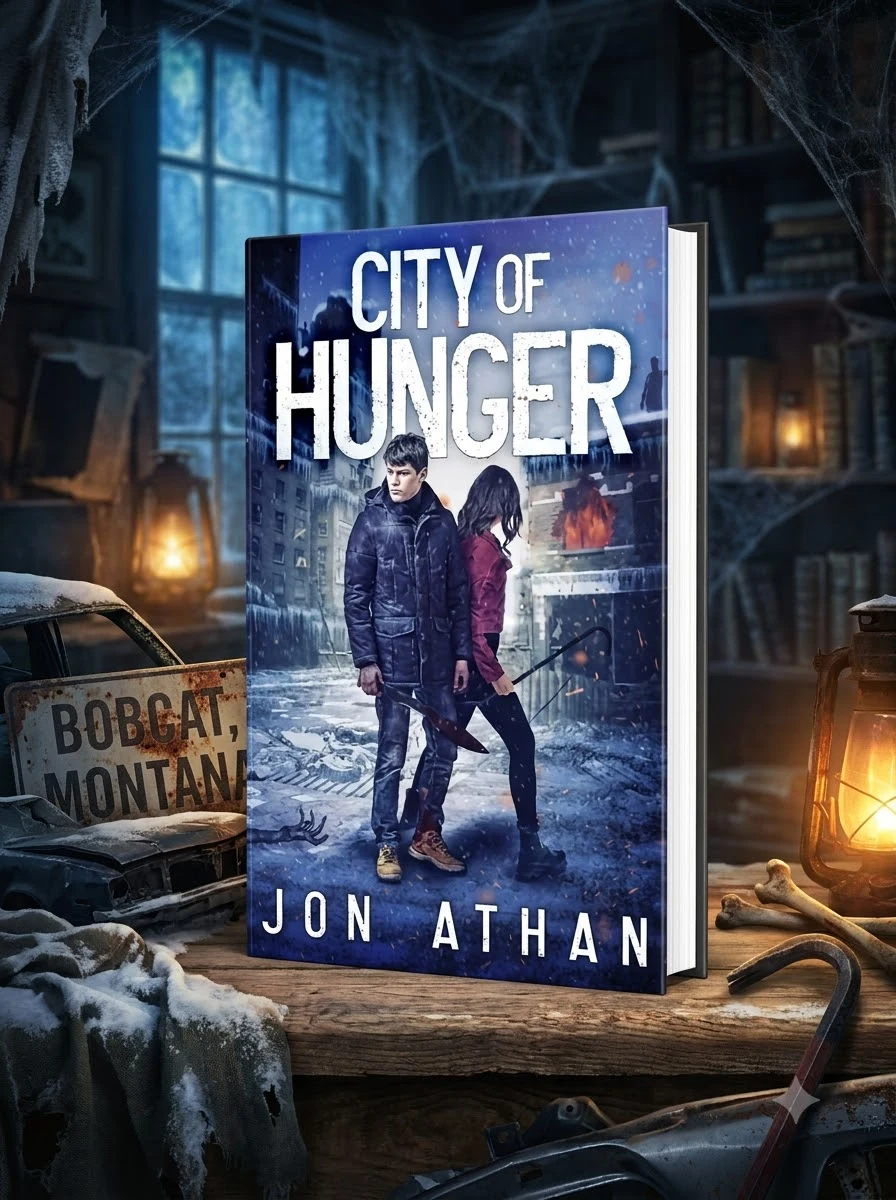
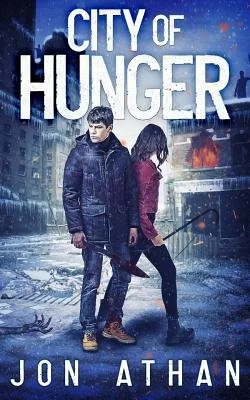
Athans work focuses on the immediate aftermath of a catastrophic event in Bobcat. The setting is defined by looted stores and raided houses rather than traditional ghost stories. The horror stems from living inhabitants who have turned to cannibalism. Blake and Susan find themselves surrounded by people who are hungry. The narrative does not rely on supernatural monsters but on human desperation. The early nineties backdrop adds a specific texture to the isolation. The author uses this period to enhance the sense of being cut off from help. The story remains grounded in physical threat rather than psychological ambiguity.
The novel is set in rural Montana during the early nineties. It draws on traditions of isolated American horror and survival fiction. The setting emphasizes the vulnerability of travelers in remote areas. The period context adds to the sense of disconnection from modern safety nets.


📝 Description: City of Hunger
💎 Our verdict on City of Hunger
📖 Why choose it
Why this book is worth reading
This book is designed for readers who crave visceral, unflinching terror without the comfort of supernatural explanations or heroic rescues. It appeals to those who appreciate horror rooted in human desperation and physical threat, offering a raw exploration of survival when civilization collapses. The graphic content serves a purpose, stripping away ambiguity to focus on the immediate, brutal reality of cannibalistic hunger. Those who enjoy narratives where danger is imminent and unavoidable will find value in its relentless pacing and lack of mercy. It is not for the faint-hearted, but for those seeking a stark, isolated experience that challenges their tolerance for gore and psychological unease in a realistic setting.
⭐ Reader reviews
Reader rating
Jon Athan delivers a brutal narrative that eschews ghost stories for the terrifying plausibility of human cannibalism. The early nineties backdrop effectively enhances the sense of isolation, making the threat feel more immediate and inescapable. The atmosphere is thick with dread, derived from wrecked vehicles and blood-stained evidence rather than jump scares. While the lack of supernatural elements may disappoint some, it grounds the horror in a chilling reality. The text does not soften violence, ensuring the terror remains palpable. It suits readers who prefer explicit depictions of terror and physical threat over psychological ambiguity. The isolation of rural Montana amplifies the stakes, creating a claustrophobic environment where survival hinges on avoiding those driven by intense hunger.