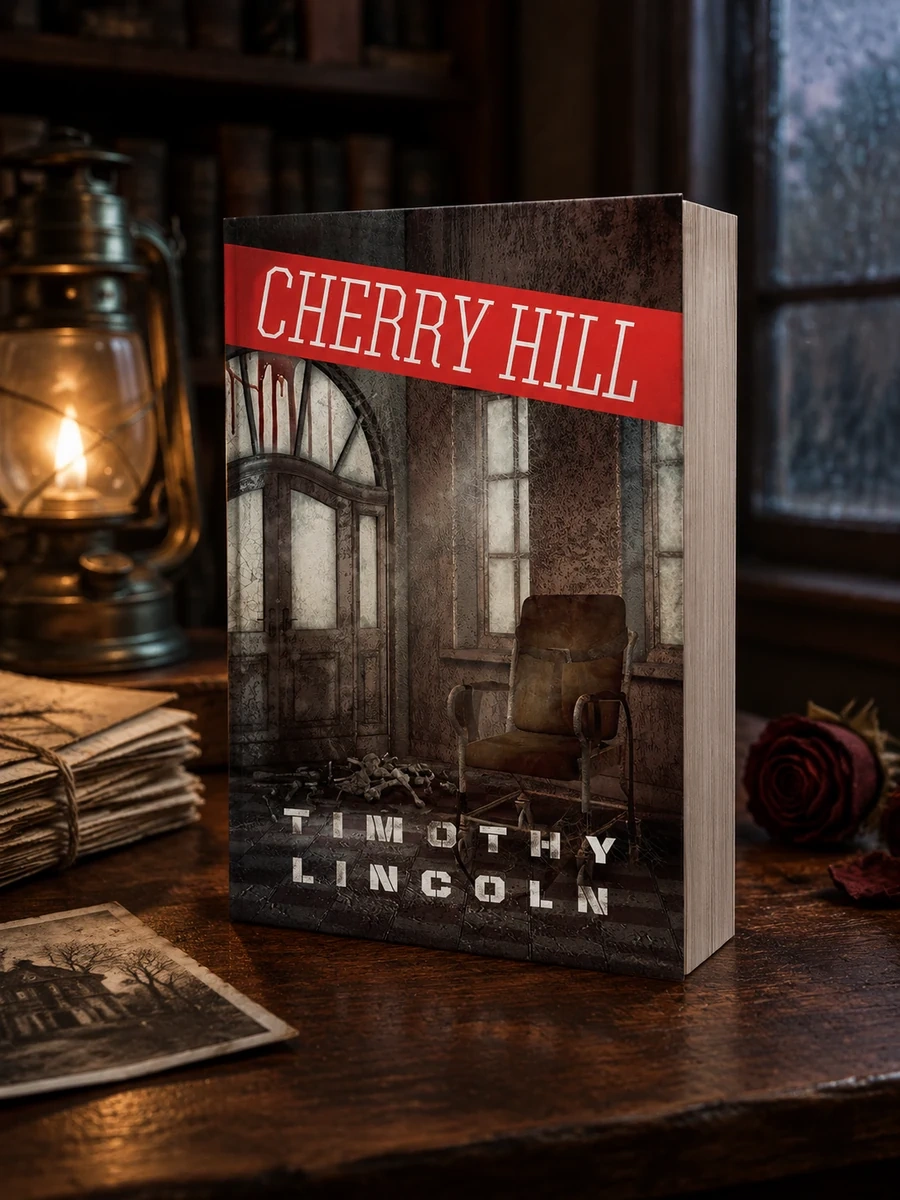

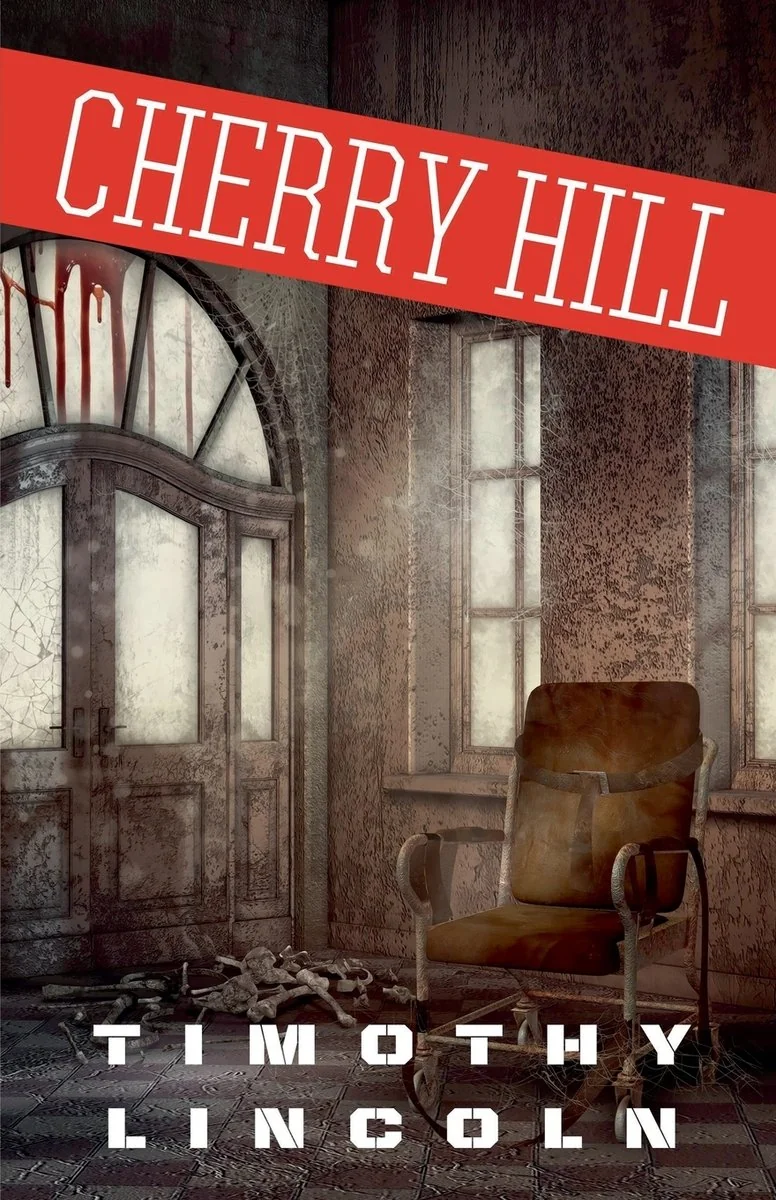
Cherry Hill
A detective agency escorts a game developer through an abandoned asylum in Stonewell Bay.
The author examines how money and control mix with ghost stories. The rich game maker stands as a fresh type of danger by selling fear for profit. The detectives must keep their client safe while finding out what happened at the hospital. This creates conflict between their job and staying alive. The empty asylum acts like a person, showing the bad deeds of those who lived there before. Lincoln uses this location to criticize how people today forget past mistakes. The plot develops gradually, emphasizing mental fear instead of jump scares.
The text is set in the United States, specifically moving from Edinburgh to Stonewell Bay. It engages with the tradition of American gothic horror and supernatural fiction. The narrative reflects contemporary anxieties about technology and wealth within historical spaces.


📝 Description: Cherry Hill
💎 Our verdict on Cherry Hill
📖 Why choose it
Why this book is worth reading
Readers who appreciate slow-burn psychological horror will find value in this novel's emphasis on mental fear over visceral jump scares. It appeals to those interested in the intersection of capitalism and supernatural dread, specifically how money and control manifest as ghost stories. The book is ideal for audiences who enjoy atmospheric tension derived from dialogue and setting rather than action sequences or comedy. Those seeking a thoughtful critique of how modern tech meets old pain will appreciate the nuanced exploration of danger and safety within an isolated environment.
⭐ Reader reviews
Reader rating
Timothy Lincoln crafts a tense atmosphere where the abandoned asylum functions almost as a living entity, reflecting the bad deeds of its past inhabitants. The narrative effectively balances a mundane escort mission with creeping supernatural forces, creating a unique conflict between professional duty and survival. By focusing on dialogue and place rather than blood or quick action, Lincoln delivers a moody, intellectual horror experience. This approach suits readers who prefer mental fear and gothic themes of loneliness over traditional monster tropes. The exploration of the wealthy game maker selling fear for profit adds a layer of social commentary that elevates the standard haunted house premise into a more complex critique of contemporary values.
You might also like
See more →







Have a question about this item?
Ask about the edition, condition, delivery or anything else — we reply by email or phone, usually within a day.
