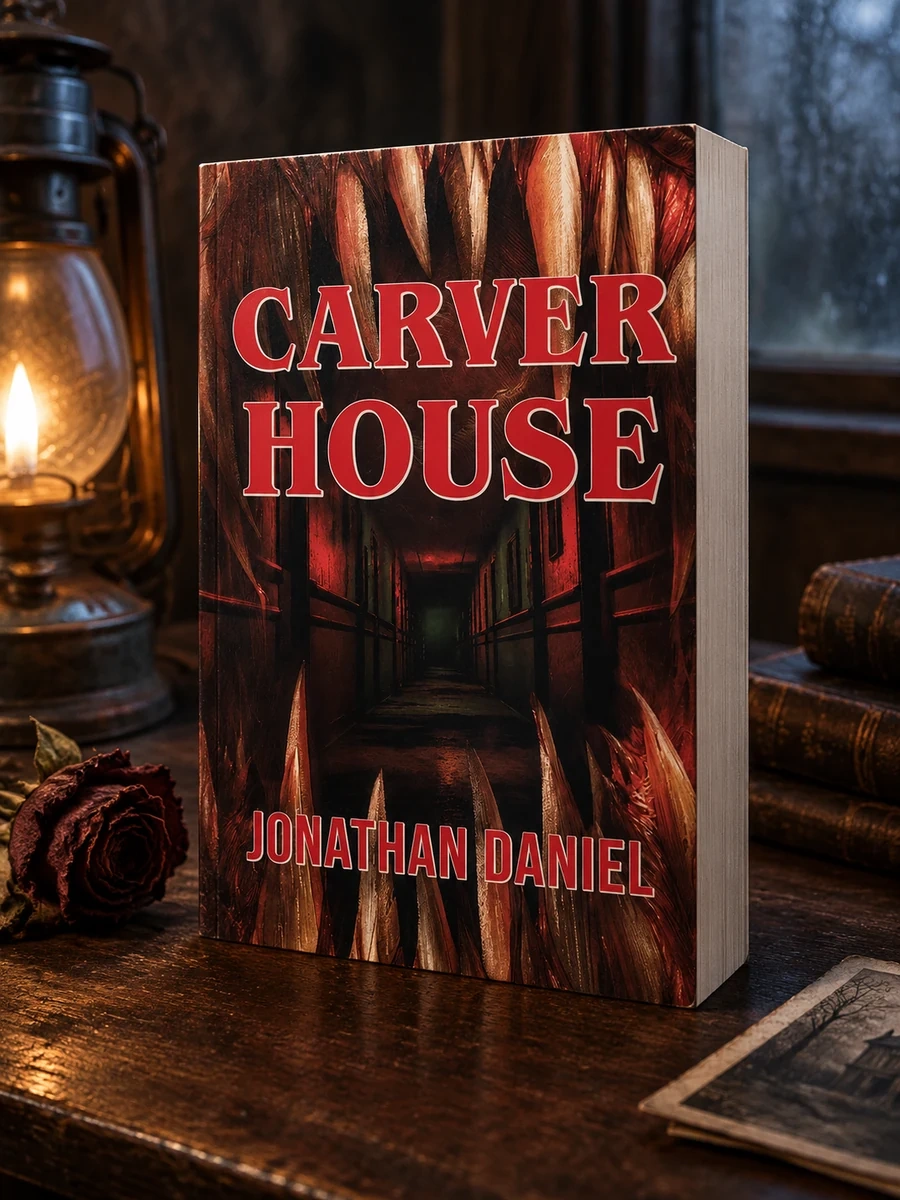
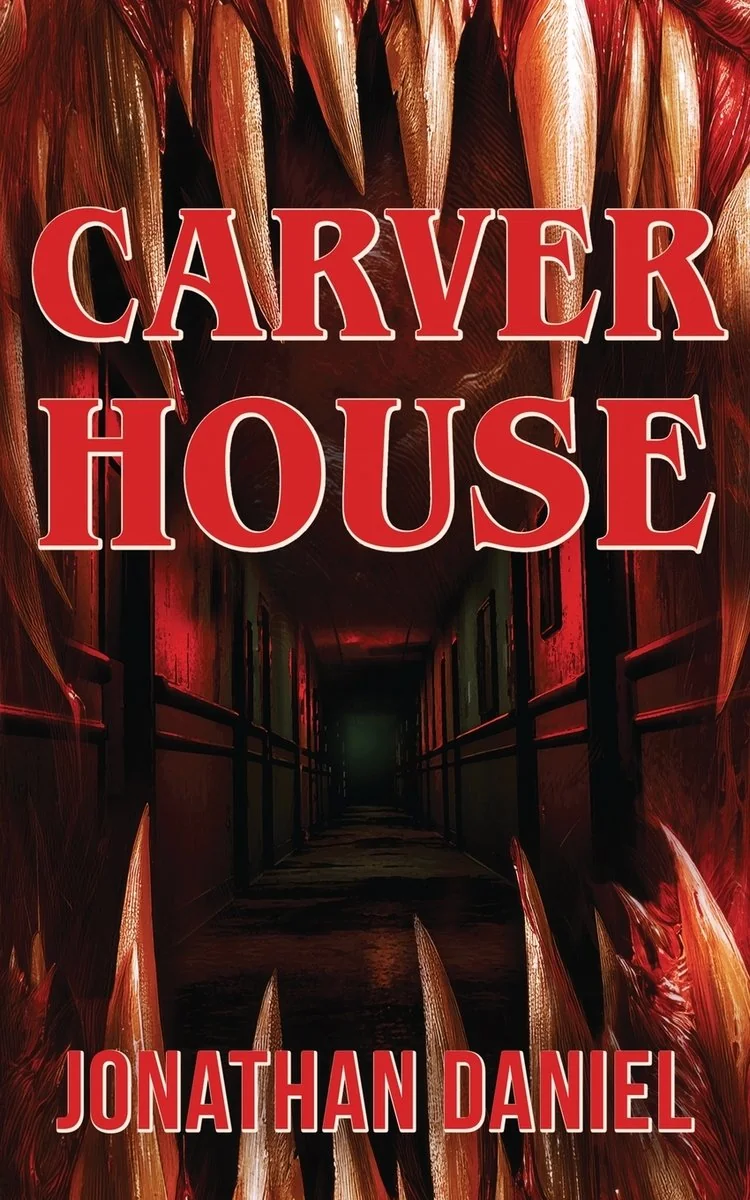
Carver House
A suburban horror novel about a shifting apartment tower that traps three friends.
Three friends enter a decaying building after a concert and find themselves trapped by its impossible geometry. The structure shifts around them, creating endless loops and dead ends. They realize the boy they helped was leading them into a trap. The tower feeds on their fear and confusion. Daniel writes with precision about the physical decay of the environment. He mirrors this with the mental deterioration of the characters. The narrative builds tension through sensory details rather than action sequences. The ending offers no hope for escape.
The story emerges from American suburban horror traditions. It references the 1984 concert scene as a starting point. The setting of Carver Heights reflects urban decay themes common in late twentieth century fiction. The narrative style aligns with contemporary supernatural suspense.


📝 Description: Carver House
💎 Our verdict on Carver House
📖 Why choose it
Why this book is worth reading
Readers seeking claustrophobic dread and architectural horror will find profound satisfaction in this precise, atmospheric tale. It appeals to those who prefer psychological unraveling over gore, offering a chilling examination of isolation and loss of control. The narrative’s reliance on spatial distortion creates a unique tension for fans of urban legends. Those who enjoy stories where the setting itself hunts its visitors will appreciate the meticulous sensory details. It is ideal for audiences who do not seek comfort or easy escapes but rather want to experience the inevitability of a trap from which there is no return.
⭐ Reader reviews
Reader rating
Daniel crafts a masterclass in atmospheric dread, utilizing the decaying apartment tower as a living, malevolent entity. The precision in describing physical decay mirrors the mental deterioration of Jamie, Todd, and Wendy, creating an immersive sense of panic. By avoiding traditional plot progression and gore, the text forces readers to confront the terror of impossible geometry. This approach suits fans of psychological horror who value tension built through sensory details rather than action sequences. The work effectively examines the fear of isolation, ensuring that those who appreciate subtle, lingering horror will find the experience both unsettling and intellectually engaging.