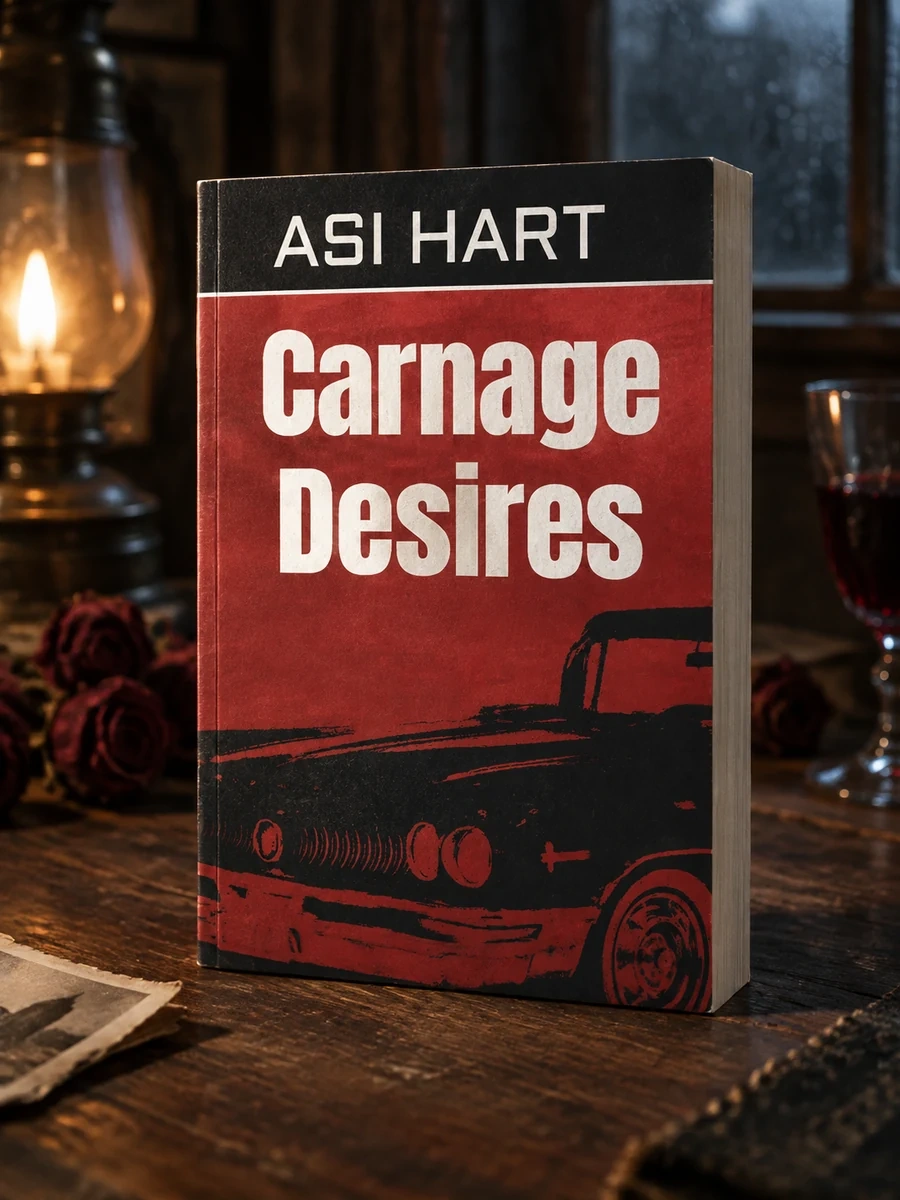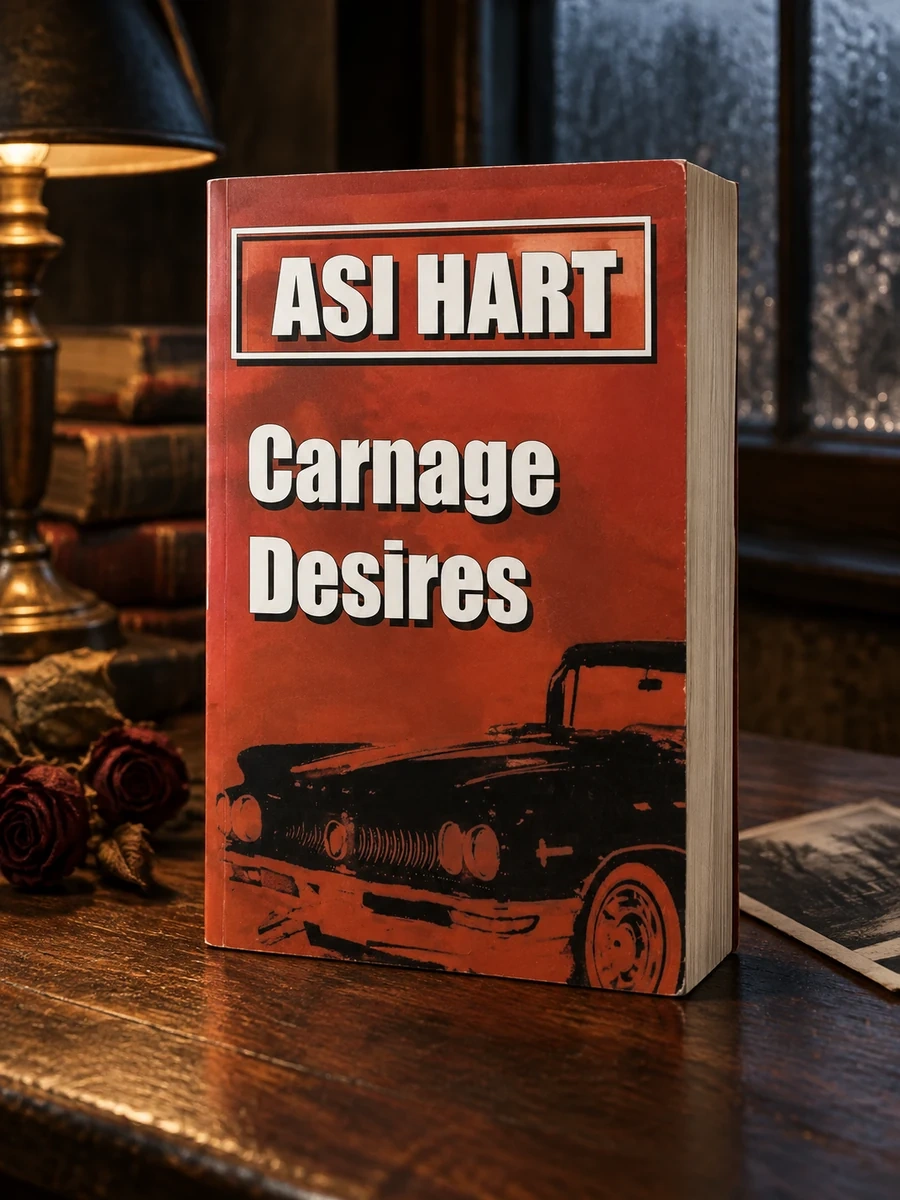
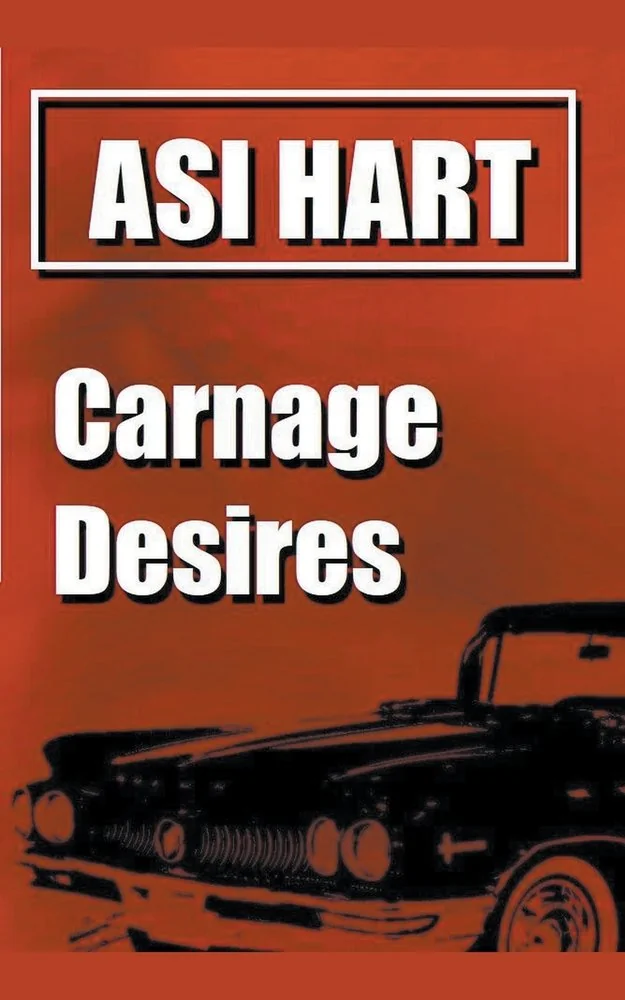
Carnage Desires
A father manages his cult friends and violent son while his girlfriend kills people.
The plot centers on Henry Williams trying to manage two distinct crises. His partner’s career as a murderer causes friction with his social circle, who view her actions as problematic for reasons unrelated to ethics. Meanwhile, his child’s behavior at school requires police intervention. These parallel storylines highlight the protagonist's inability to control his environment. The text presents these issues as consequences of Henry's personal failures. It avoids traditional horror tropes by grounding the fear in bureaucratic and familial annoyance rather than jump scares or monsters.
Published in 2022 by Asi Hart, this work sits within contemporary American horror fiction. It reflects modern anxieties about family dynamics and the normalization of violence through a satirical lens. The text engages with gothic themes by placing supernatural elements in mundane domestic settings.


📝 Description: Carnage Desires
💎 Our verdict on Carnage Desires
📖 Why choose it
Why this book is worth reading
This title appeals to readers who enjoy dark comedy mixed with supernatural horror elements, particularly those interested in protagonists who are deeply flawed and responsible for their own misfortunes. The narrative offers a unique tension by presenting domestic duties colliding with horrific obligations, creating a scenario where family life blurs into criminal enterprise. It is ideal for audiences who appreciate the absurdity of maintaining normalcy amidst extreme deviance and do not seek heroic figures or clear moral distinctions. The book provides an unsettling experience for those accustomed to traditional horror tropes, instead grounding fear in familial annoyance and bureaucratic frustration rather than external monsters.
⭐ Reader reviews
Reader rating
The narrative excels at highlighting the protagonist's inability to control his environment through parallel storylines of a partner’s murderous career and a son’s violent behavior. By avoiding traditional horror tropes like jump scares or monsters, the text grounds its fear in bureaucratic and familial annoyance. This approach suits readers who appreciate character failure over external threats. The work effectively twists gothic traditions by making familial bonds sources of terror. It is best suited for those who enjoy dark comedy and psychological depth, as it frames chaotic events as direct results of poor decisions without offering redemption arcs or clear moral distinctions.