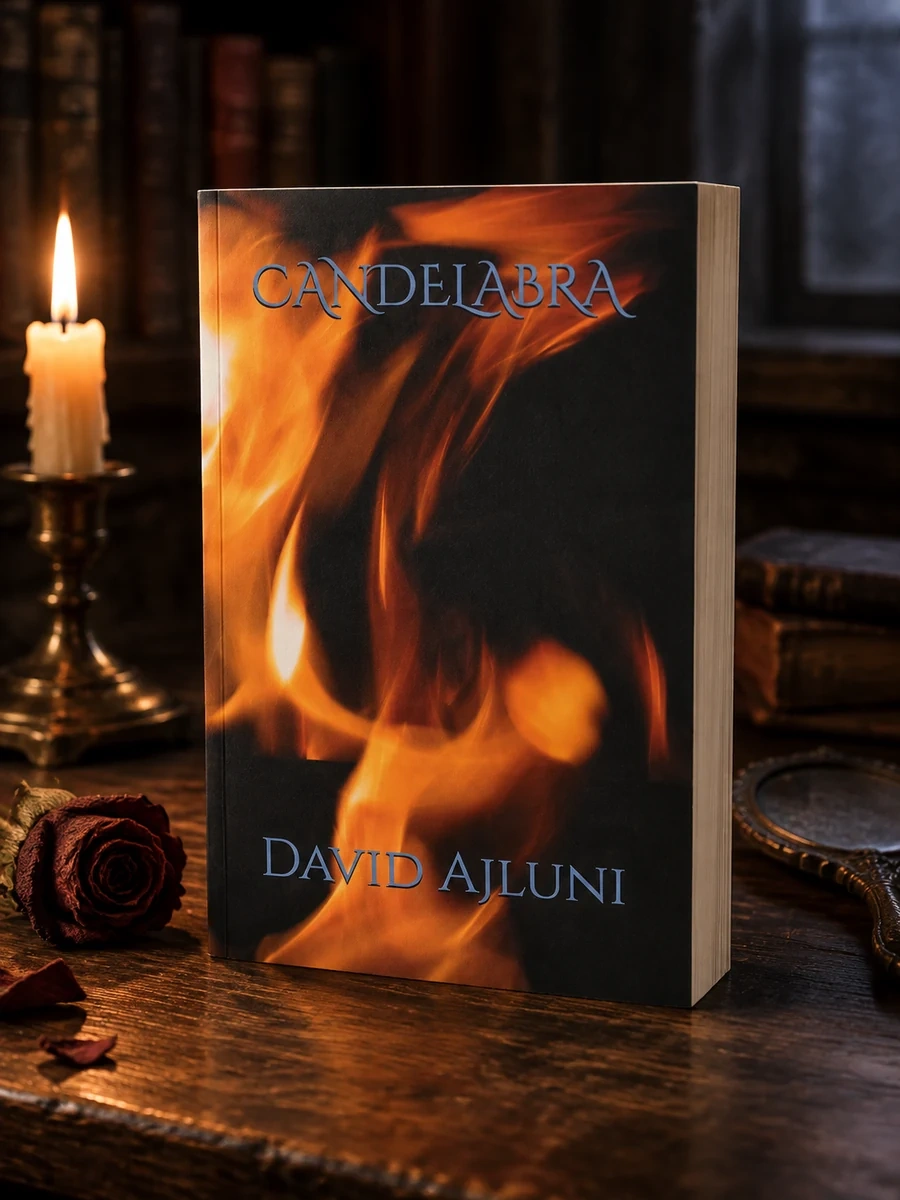
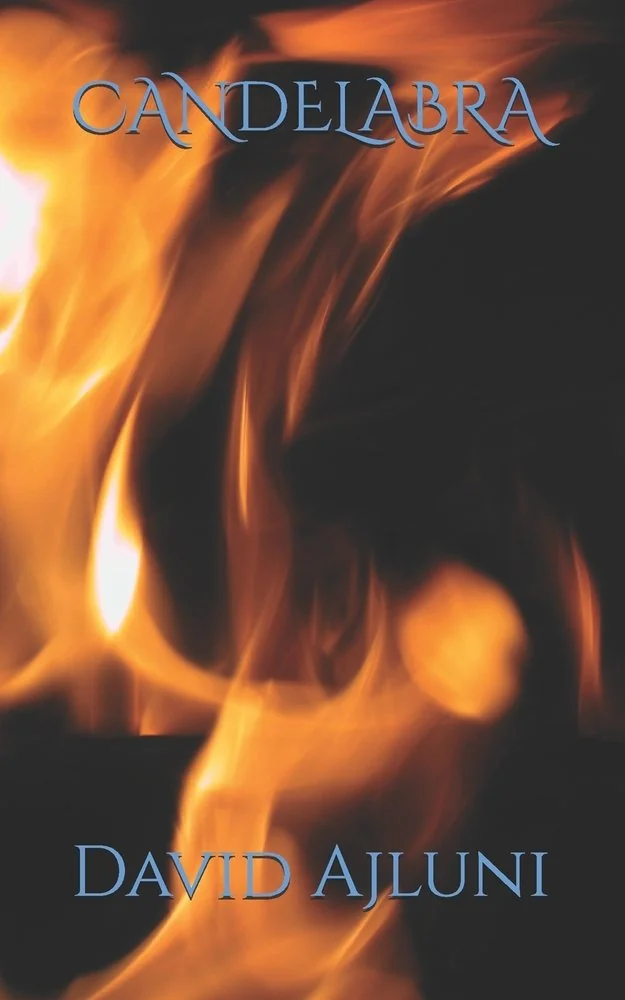
Candelabra
A 1981 housesitter finds a cursed pewter candelabra that summons a sadistic witch.
Kevin Foster discovers a haunted object while alone at home. His neighbor Marlene joins him to fight back against the supernatural threat. They face a witch who wants them to suffer. The story focuses on their emotional journey and fear. It avoids complex plots in favor of atmospheric dread. The narrative highlights the vulnerability of young adults facing evil. Readers experience Kevin’s growing despair as the situation worsens. The book emphasizes psychological horror over physical action. It explores how isolation amplifies terror. The connection between the two protagonists drives the emotional weight of the tale. Their attempts to solve the mystery fail as they realize their helplessness against the witch’s power.
The novel is set in 1981, capturing the specific anxieties and aesthetic of that era. It draws on traditional gothic and supernatural fiction tropes to create a sense of dread. The story reflects early eighties cultural fears about isolation and the unknown. The setting provides a backdrop for classic horror elements like witches and haunted objects.


📝 Description: Candelabra
💎 Our verdict on Candelabra
📖 Why choose it
Why this book is worth reading
Readers who prefer atmospheric dread over fast-paced action will find this book compelling. It is ideal for those interested in the psychological toll of paranormal encounters on young adults. The narrative offers a slow-burn horror experience that examines how grief and isolation amplify vulnerability to evil forces. Fans of gothic fiction will appreciate the focus on emotional journey and fear rather than complex plots. Those who enjoy stories where characters face helplessness against powerful supernatural entities will find resonance in Kevin and Marlene’s descent into terror. The book provides a focused exploration of sadness and despair within a classic horror framework.
⭐ Reader reviews
Reader rating
Candelabra succeeds as a study in psychological horror, prioritizing the emotional weight of its protagonists over intricate plotting. David Ajluni effectively uses the 1981 setting to enhance themes of isolation, making the supernatural threat feel more invasive and personal. The narrative tension relies on traditional witchcraft lore, creating a classic gothic atmosphere that may appeal to purists of the genre. While it avoids scientific explanations or complex literary structures, this simplicity allows for a concentrated focus on despair. It suits readers seeking a slow-burn tale about young adults confronting sadistic evil. Those looking for visceral action might find it lacking, but fans of mood-driven horror will appreciate its commitment to dread and vulnerability.
📖 Read on the blog
✍️ More books by this author David Ajluni



🏛 Books from this publisher Independently Published






You might also like
See more →
Have a question about this item?
Ask about the edition, condition, delivery or anything else — we reply by email or phone, usually within a day.
