Cabin
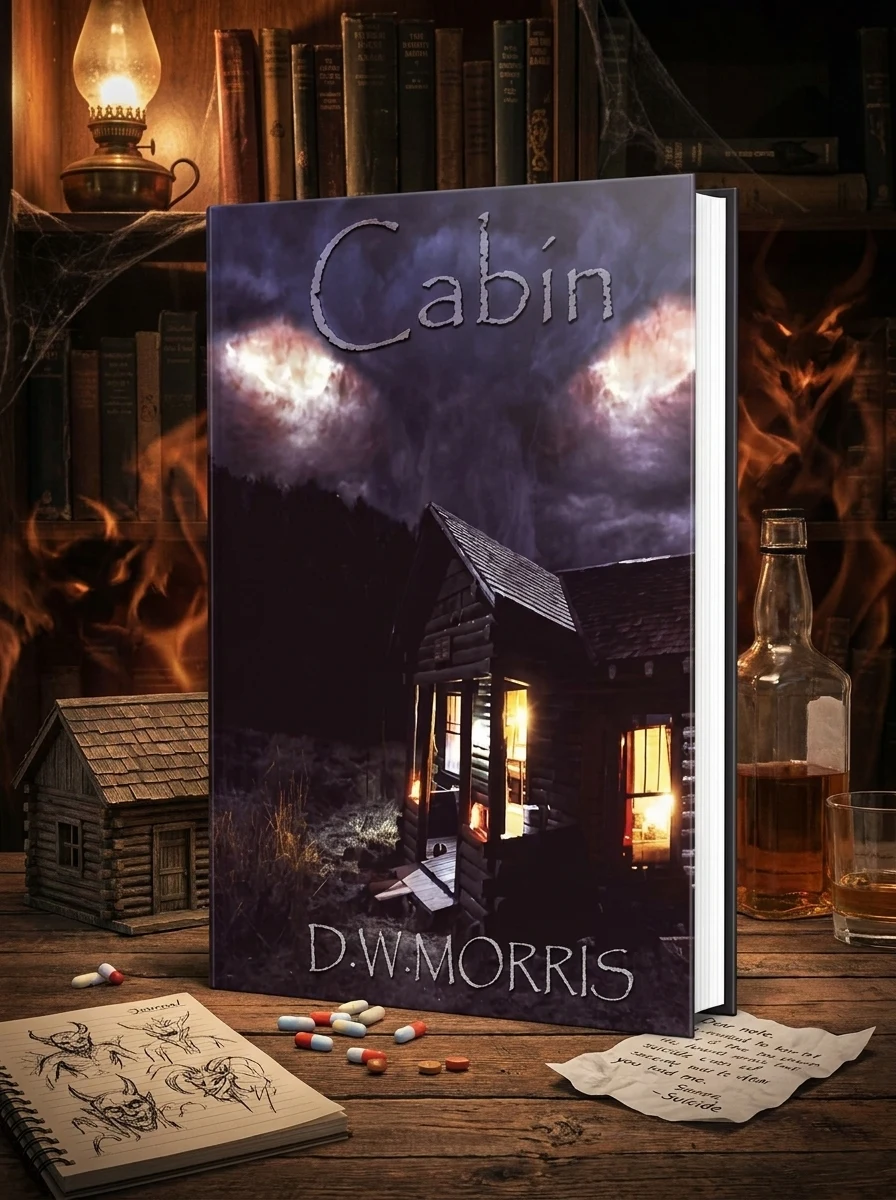
A grieving man battles demonic visions and his own sanity in a remote cabin.
The narrative focuses on David’s internal struggle following his wife’s death. He turns to drink, attempts suicide, and begins seeing a demonic figure. The core conflict involves distinguishing between reality and madness. Titan Inkorp Ltd frames this as a one-way journey to hell or a survival story. The text does not provide chapter titles but centers entirely on David’s mental state. The ambiguity of his death remains the central mystery. Readers must decide if he died or is merely suffering in a purgatorial cabin.
Published by Titan Inkorp Ltd on September 8, 2014, this book sits within the modern horror genre. It utilizes classic gothic tropes of isolation and supernatural torment. The work reflects a contemporary interest in psychological ambiguity and the unreliable narrator tradition in fiction.


📝 Description: Cabin
💎 Our verdict on Cabin
📖 Why choose it
Why this book is worth reading
Readers who appreciate introspective horror and ambiguous endings will find this narrative deeply engaging. It suits those interested in the erosion of sanity rather than physical action, offering a study on grief and despair. The book challenges perception by leaving the protagonist's fate open, inviting interpretation. It is ideal for fans of psychological thrillers where the terror stems from internal conflict. Those who enjoy questioning the nature of reality and truth will value the lack of clear resolution. The story forces engagement with its central mystery, making it a compelling choice for those who prefer mental stimulation over traditional jump scares.
⭐ Reader reviews
Reader rating
This psychological horror effectively explores the intersection of grief and madness through David’s descent into alcoholism and despair. Titan Inkorp Ltd presents a narrative where demonic visions blur the line between external threat and fractured mind. The setting acts as a crucible for torment, emphasizing the fragility of perception over physical action. The work succeeds in creating an atmosphere of uncertainty, forcing readers to question whether David dies or suffers in purgatory. It suits enthusiasts of gothic and supernatural traditions who enjoy ambiguous endings. The terror is derived from psychological erosion, appealing to those seeking a challenging, introspective experience rather than clear resolutions or traditional horror tropes.
You might also like
See more →







Have a question about this item?
Ask about the edition, condition, delivery or anything else — we reply by email or phone, usually within a day.
