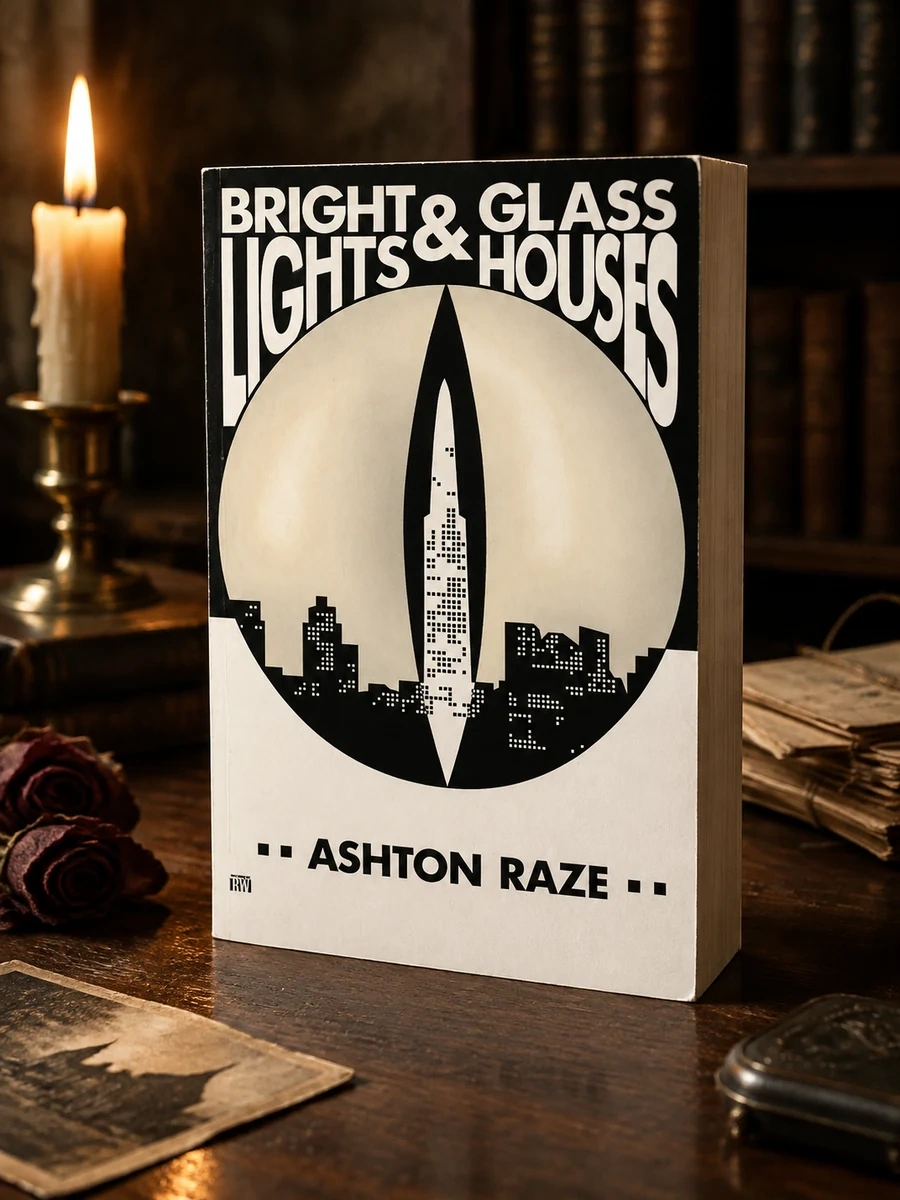
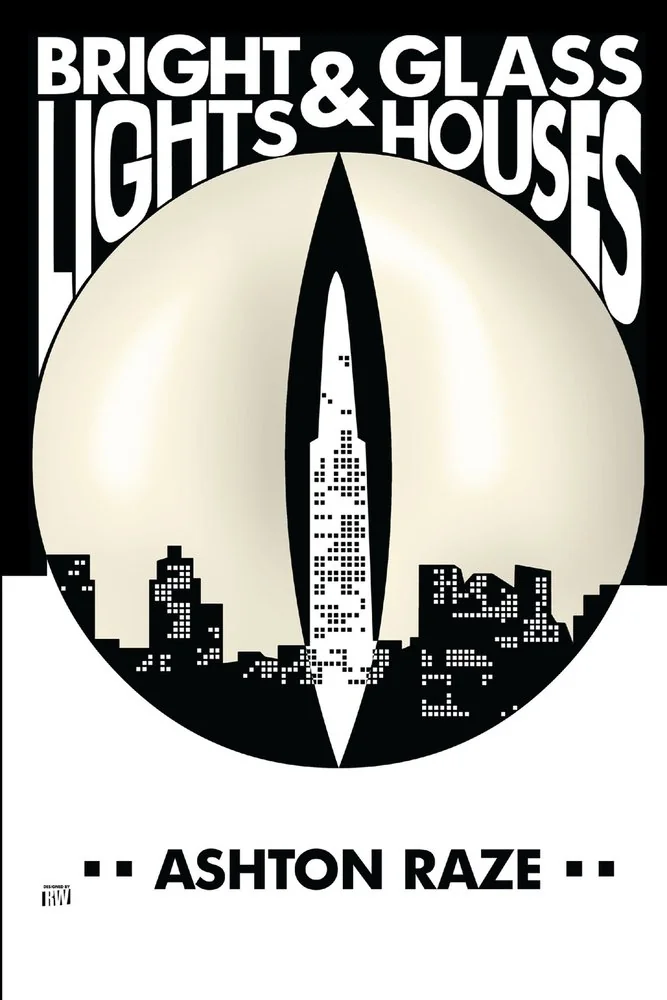
Bright Lights & Glass Houses
A collection of twenty-two stories about ordinary people becoming terrifying monsters.
Raze focuses on the idea that reality itself can be factual horror. The text emphasizes that living beings among the population are the real threat. These characters wait and watch until they decide to snap. The narratives shift from subway rides to family computer use and Hollywood sets. Each story isolates a different facet of human darkness. The author uses varied settings to show how close everyone is to violence. The collection avoids supernatural cliches in favor of psychological dread. Readers find that the monsters are alive and hiding in plain sight. The tone remains darkly comic throughout these encounters with the end times.
Published in 2012 by Lulu.com, this debut collection reflects early twenty-first century anxieties about urban isolation and hidden violence. The work draws on contemporary American settings like the Underground and Hollywood to explore how ordinary life masks terrifying truths.


📝 Description: Bright Lights & Glass Houses
💎 Our verdict on Bright Lights & Glass Houses
📖 Why choose it
Why this book is worth reading
Readers who prefer grounded horror where the threat originates from neighbors or colleagues will find this collection deeply engaging. Ashton Raze offers a darkly comic exploration of human darkness, avoiding supernatural clichés to focus on psychological dread. Those interested in how ordinary individuals snap under pressure will appreciate the varied settings, from subway rides to Hollywood sets. The book suits those who enjoy independent tales that collectively expose dark secrets hidden within modern society. It is ideal for fans of urban thrillers who want to see familiar drives take unfamiliar turns and understand the collision course with the end times that defines the human menagerie.
⭐ Reader reviews
Reader rating
Ashton Raze delivers a cohesive, darkly comic anthology that effectively dismantles the expectation of traditional monsters. By focusing on ordinary people—serial killers, cooks, office workers—the author demonstrates a knack for weaving disparate narratives into a unified whole. The collection succeeds in its mission to show how close everyone is to violence, using settings like the Underground and family computers to heighten tension. It suits readers who enjoy psychological horror over gothic atmospheres. While it may not appeal to those seeking supernatural undead encounters, it offers a stark look at human darkness. The independent tales collectively explore terrible truths, making this a compelling read for anyone fascinated by the terrifying potential within the population.